
Home > Stainless Steel > Stainless Steel Coils
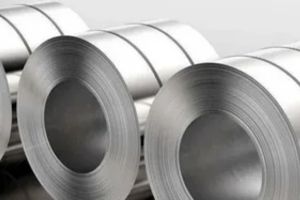
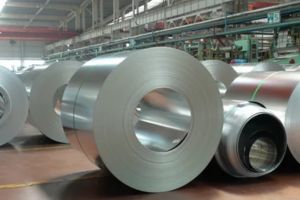
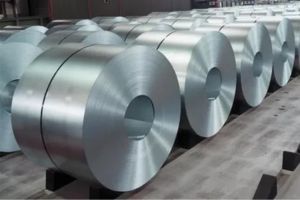
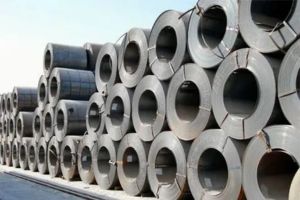
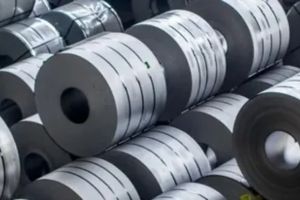
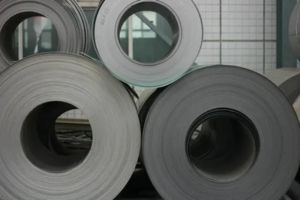
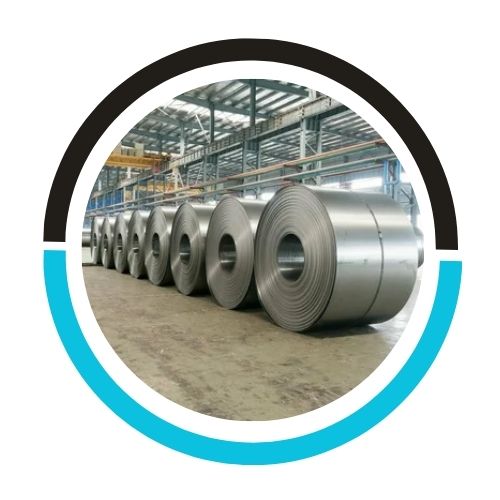
Stainless Steel Coilsare the unsung champions of countless industries, quietly safeguarding the integrity and lifespan of innumerable products. custom-fabricated from a mixture of iron, chromium, and nickel, these coils exhibit exceptional durability and resistance to corrosion. From the polished exteriors of kitchen appliances to the sturdy structures of automotive components, stainless steel coils contribute their strength and dependability to a wide spectrum of uses. Their adaptability, along with different grades customized for particular requirements, renders them essential in both industrial and consumer domains. Whether it’s the elegant finish of a luxury car or the sanitary surfaces of medical equipment, stainless steel coils serve as proof of the union of form and function in contemporary manufacturing.
| Item | SS Coil(Hot rolled, cold rolled) |
| Inner Diameter | 610 +0/-5 mm |
| Width | 610~2000 mm |
| Thickness | 2.5~10.0 mm |
| Length | 2000mm, 2440mm, 3000mm, 5800mm, 6000mm, etc |
| Material | SS 202 Coils, SS 304 Coils, SS 316 Coils, SS 321 Coils, SS 310 Coils , SS 410 Coils, SS 420 Coils, SS 416 Coils |
| Surface | 2D, etching, 8K, 2B, BA, NO.4, hair line,NO.1, NO.8, Brush, checkered, mirror,embossed, sand blast etc |
| Standard | ASTM A240, ASTM A167, JIS4304-2005, GB/T3280-2007, EN10088-2-2005, etc |
| origin | Indian Origin, European Origin, Japanese Origin, US Origin, Korea Origin, Thailand Origin, Taiwan Origin |
| Density | Melting Point | Tensile Strength (MPa) min | Yield Strength 0.2% Proof (MPa) min | Elongation (% in 50mm) min | Hardness | ||
Rockwell B (HR B) max | Brinell (HB) max | |||||||
Stainless Steel Coil | 8.0 g/cm3 | 1400 °C (2550 °F) | 515 | 205 | 35 – 40 | 92 | 304 | |
|
C |
Mn |
Si |
P |
S |
Cr |
Mo |
Ni |
N |
|||
|
Stainless Steel Coil |
min. max. |
– 0.08 |
– 2.0 |
– 0.75 |
– 0.045 |
– 0.030 |
18.0 20.0 |
– |
8.0 11 |
– – |
|
At Koasteel, we’re proud to be the largest supplier and manufacturer in the New Zealand, delivering advanced solutions for every one of your piping requirements. With cutting-edge manufacturing facilities strategically positioned in the New Zealand, we maintain an extensive stock of more than 25,000 tons of top-grade materials on hand and ready to ship.
Reach out to us for a fast quote tailored to your needs.
We supply These Stainless Steel Coils in accordance with DIN, ISO, JIS or ANSI Standard.
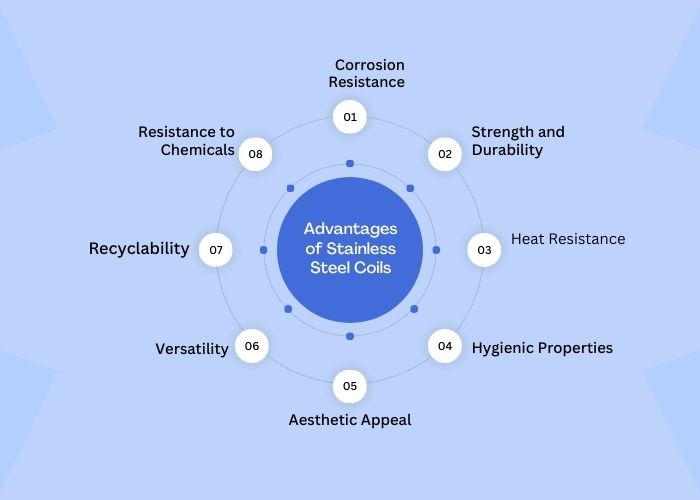
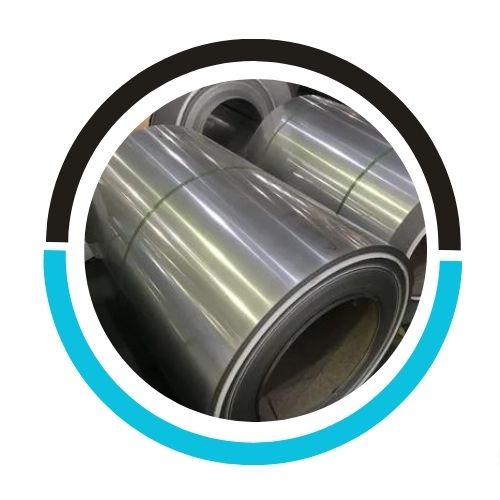
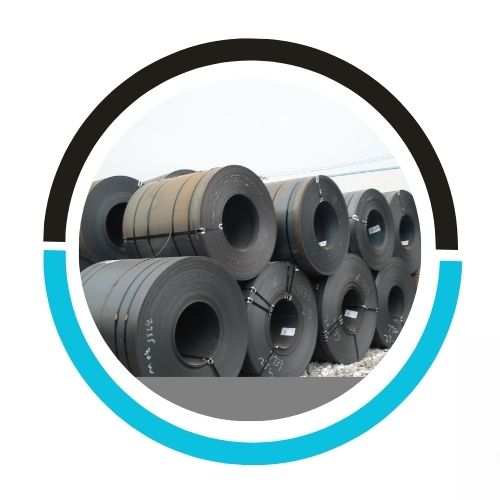
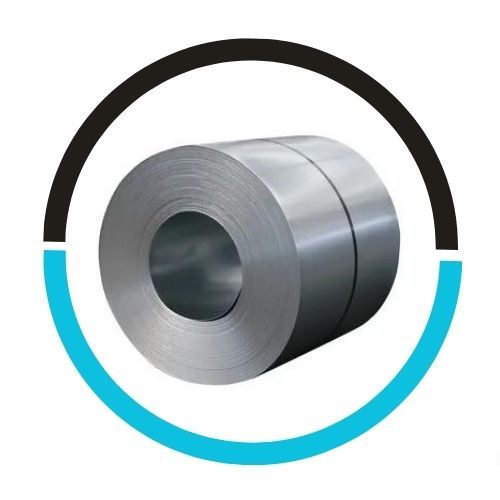
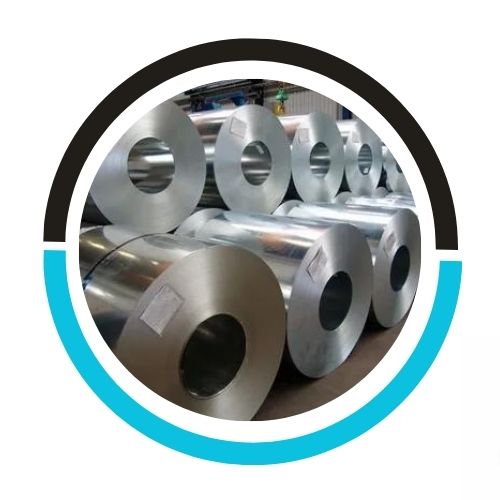
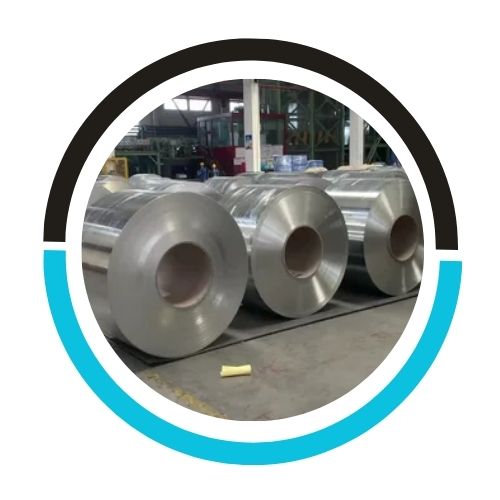
Stainless Steel Coils applications are as varied as the industries they serve, driven mainly by the aerospace, railway, construction and automotive industries along with petrochemical, nuclear, medical, Oil & Gas, Chemical, Pharmaceutical, Food & Beverage, Nuclear, Thermal Power plants, Paper and Pulp, marine and mining, etc.
Yes, stainless steel coils can be recycled to a high degree. Stainless steel is a valuable material that keeps its properties across many recycling cycles without any loss of quality. Recycling stainless steel coils supports the conservation of natural resources, lowers energy use, and reduces environmental harm when compared to manufacturing new stainless steel from raw materials. The recycling procedure consists of melting the coils and repurposing the material across a range of applications, which makes it a sustainable and environmentally friendly option.
Yes, stainless steel coils typically work well with other piping materials. Stainless steel offers outstanding corrosion resistance and strong mechanical properties, which makes it appropriate for use together with a range of materials including carbon steel, copper, brass, and plastics in piping systems. Nevertheless, compatibility factors should still be evaluated based on aspects such as the particular grades of stainless steel and other materials, operating conditions (e.g., temperature, pressure, and fluid composition), and the possibility of galvanic corrosion. Suitable insulation, gaskets, and joint connections can help reduce any compatibility problems and secure the durability and performance of the piping system.
Installing stainless steel coils requires attention to several important factors: choosing the right grade to resist corrosion, handling the material carefully to prevent damage, readying surfaces before installation, using proper installation methods, keeping the coils away from dissimilar metals to avoid galvanic corrosion, allowing for thermal expansion and contraction, applying corrosion protection strategies, arranging routine maintenance, and complying with industry standards for both safety and quality.
Yes, stainless steel coils are suitable for potable water applications. Stainless steel offers strong resistance to corrosion, making it appropriate for contact with drinking water. It does not release harmful substances into the water and retains its integrity even under demanding water conditions. Nevertheless, it’s essential to choose the correct grade of stainless steel for potable water use to ensure adherence to regulatory standards and to avoid any possible contamination. Routine maintenance and correct installation methods are equally important to preserve water quality and guarantee the durability of the system.
Mail: sales@koasteel.nz