
Home > Super Duplex Steel > Super Duplex Steel Coils
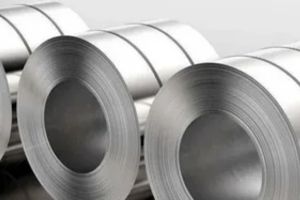
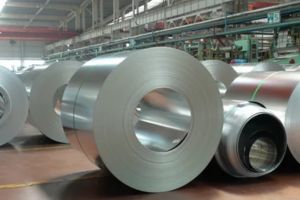
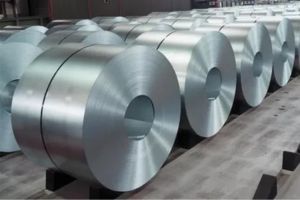
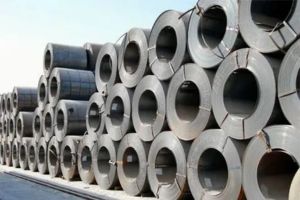
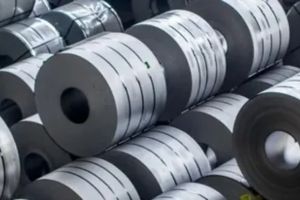
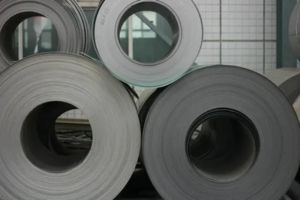
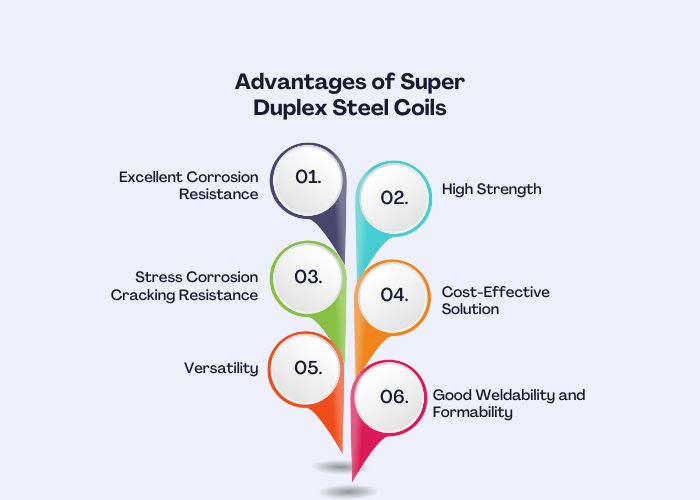
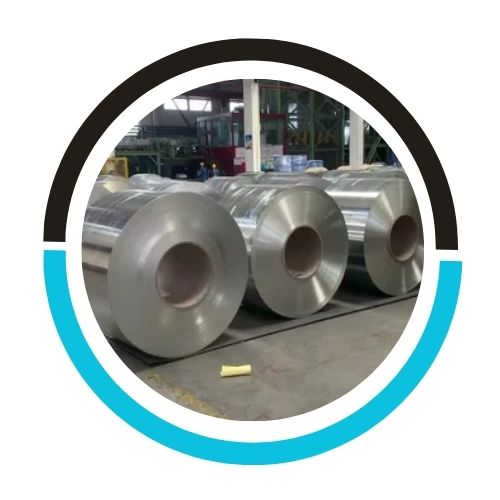
Super Duplex Steel Coilsare exceptionally durable and corrosion-resistant materials made from a balanced blend of austenitic and ferritic stainless steels, delivering improved strength along with resistance to pitting, crevice corrosion, and stress corrosion cracking. These coils are used in challenging environments like chemical processing, oil and gas, and marine industries, where withstanding aggressive chemicals and high temperatures is essential. Super duplex steel coils are recognized for their outstanding weldability and formability, which makes them adaptable materials for a wide range of fabrication processes.
|
Standard |
ASTM A240 / ASME SA240 |
|
Thickness |
0.2mm – 5.0mm |
|
Width |
3.2mm – 1500mm |
|
Length |
AS PER CUSTOMER’S REQUIREMENT |
|
Test Certificate |
Yes |
|
Coils Hardness |
Half Hard, Quarter Hard, Soft, Hard, Spring Hard |
|
Finish |
Hot rolled Coils (HR), Cold rolled Coils (CR), NO.1, 2B, 2D, 2H, 2R, No.4, HAIRLINE, SCOTCH BRITE, SATIN FINISH, NO.8, BA. |
|
Form |
Coil / Strip |
| Grades | Density (g/cm 3) | Density (lb/in 3) | Melting Point (°C) | Melting Point (°F) |
| Super Duplex Steel Coils | 7.8 | 0.281 | 1350 | 2460 |
| Grade | C | Mn | Si | P | S | Cr | Mo | Ni | N | Fe |
| Super Duplex Steel Coils |
0.05 max | 1.00 max | 1.00 max | 0.030 max | 0.010 max | 24.00 – 26.00 | 3.00 – 4.00 | 6.00 – 8.00 | 0.20 – 0.30 | 57.61 min |
At Koasteel, we take pride in being the largest supplier and manufacturer in the New Zealand, delivering innovative solutions for every one of your piping requirements. With cutting-edge production plants strategically situated in the New Zealand, we hold an extensive inventory of more than 25,000 tons of top-quality materials kept ready in stock.
Reach out to us for a fast quote tailored to your requirement.
We supply these Super Duplex Steel Coils in accordance with DIN, ISO, JIS or ANSI Standard.
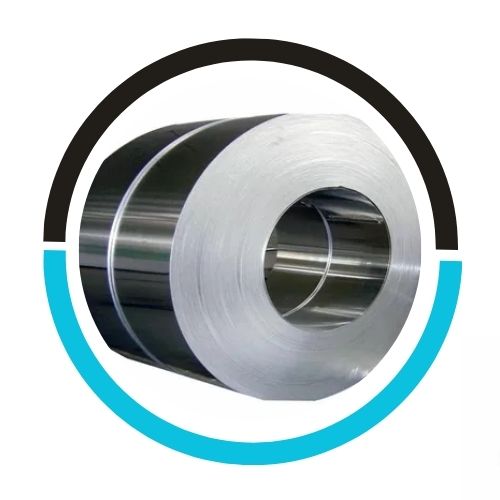
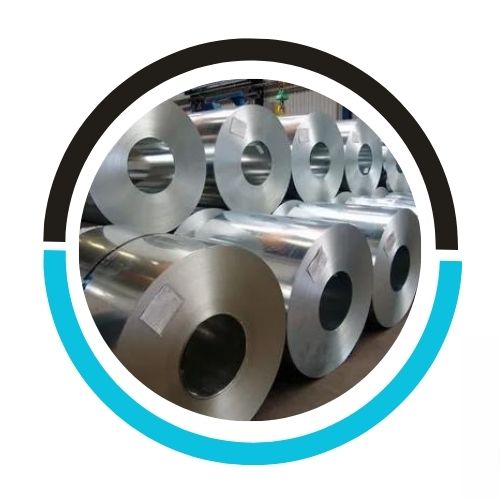
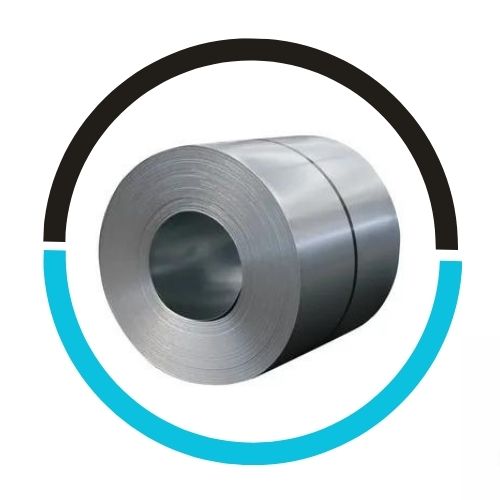
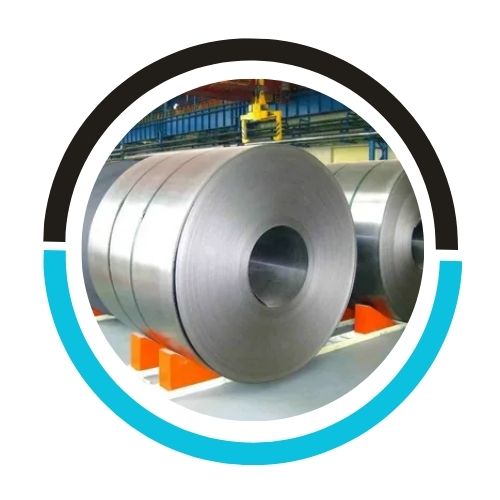
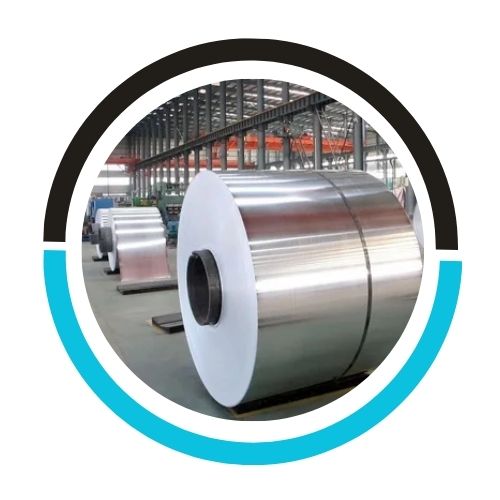
Super Duplex Steel Coils serve applications as varied as the industries that use them, led mainly by the aerospace, railway, construction and automotive industries along with petrochemical, nuclear, medical, Oil & Gas, Chemical, Pharmaceutical, Food & Beverage, Nuclear, Thermal Power plants, Paper and Pulp, marine and mining, etc.
YesAdditionally, super duplex steel coils can be joined through several welding methods, including TIG (tungsten inert gas), MIG (metal inert gas), and SMAW (shielded metal arc welding). Nevertheless, appropriate care must be exercised because of their elevated alloy content. Preparatory steps before welding, such as pre-heating and post-weld heat treatment, might be required to avoid problems like sensitization and embrittlement. Using suitable filler metals and shielding gases is vital to preserve the strength and corrosion resistance of the welded joints. Adhering to manufacturer guidelines and industry best practices is essential to reduce the likelihood of welding defects and sustain the performance of super duplex steel coils.
Super duplex steel coils work well for a broad spectrum of uses across sectors like oil and gas, chemical processing, marine, aerospace, power generation, desalination plants, construction, and mining. They are frequently employed to produce parts such as pipelines, offshore platforms, pressure vessels, heat exchangers, pumps, valves, and architectural structures, where resistance to corrosion, high strength, and durability are critical. These coils perform exceptionally in demanding environments involving corrosive chemicals, seawater, elevated temperatures, and abrasive conditions, which makes them well suited for critical applications that demand dependable performance and a long service life.
For joining super duplex steel coils, the suggested welding approaches include TIG (tungsten inert gas), MIG (metal inert gas), and SMAW (shielded metal arc welding). These techniques offer versatility across different thicknesses and uses. That said, because of the alloy’s makeup, thoughtful attention to pre-welding and post-weld heat treatment is critical to avoid problems such as sensitization and preserve corrosion resistance. Selecting suitable filler metals and shielding gases is key to guaranteeing the soundness of weld joints. Adhering to manufacturer guidelines and industry best practices is essential for effective welding, reducing the likelihood of defects and securing the performance of super duplex steel coil welds.
Yes, the machining or fabrication of super duplex steel coils requires particular attention. These alloys possess greater strength and work hardening rates compared to conventional austenitic stainless steels. As a result, machining should be carried out at reduced speeds, using deeper cuts and plenty of coolant to limit work hardening and tool wear. Carbide tooling is advised for machining tasks, and treatments after machining such as stress relieving may be required to restore the material’s properties. Furthermore, cleaning thoroughly prior to fabrication is critical to eliminate contaminants that might compromise weld quality or corrosion resistance.
Email: sales@koasteel.nz