
Home > Stainless Steel > Stainless Steel 316L Coils
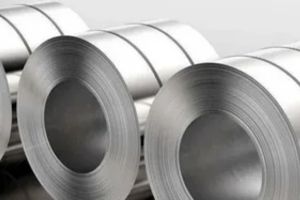
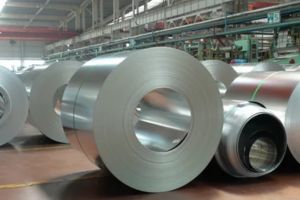
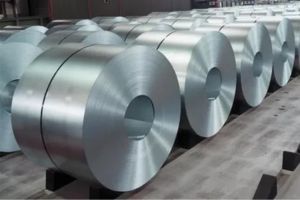
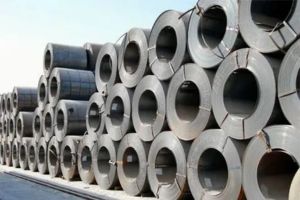
Stainless Steel 316L Coils Stainless Steel 316L Coils represent the height of metallurgical advancement, combining iron, chromium, and nickel along with molybdenum to boost corrosion resistance in severe conditions. These coils act as a reliable protector, strengthening products throughout a wide range of industries with unmatched durability and long service life. From the precisely manufactured parts in aerospace engineering to the vital equipment in the pharmaceutical field, Stainless Steel 316L Coils maintain the highest benchmarks of performance. Their specialized makeup, carefully engineered to withstand pitting and crevice corrosion, guarantees dependability even under the toughest circumstances. Whether forming the smooth curves of marine structures or protecting the cleanliness of food processing equipment, Stainless Steel 316L Coils continue to be an essential foundation of modern manufacturing, effortlessly merging form with outstanding functionality.
| Standard | ASTM A240, ASME SA240 |
| Thickness | 0.1mm to 12 mm Thk |
| Coil Width | 1000mm, 1219mm, 1500mm, 1800mm, 2000mm, 2500mm, 3000mm, 3500mm etc. |
| Coil Length | 2000mm, 2440mm, 3000mm, 5800mm, 6000mm etc. |
| Surface | 2B, 2D, BA, NO.1, NO.4, NO.8, 8K, mirror, checkered, embossed, hair line, sandblast, Brush, etching. |
| Finish | Hot rolled (HR), Cold rolled (CR), 2B, 2D, BA NO(8), SATIN (Met with Plastic Coated), Galvanized etc. |
| Density | Melting Point | Tensile Strength | Yield Strength (0.2%Offset) | Elongation |
| 8.0 g/cm3 | 1399 °C (2550 °F) | Psi – 75000 , MPa – 515 | Psi – 30000 , MPa – 205 | 35 % |
| Grade | C | Mn | Si | P | S | Cr | Mo | Ni | N |
| SS 316L | 0.035 max | 2.0 max | 1.00 max | 0.045 max | 0.030 max | 16 – 18 | 2 – 3 | 10 – 14 | 68.89 min |
At Koasteel, we’re proud to be the largest supplier and manufacturer in the New Zealand, delivering advanced solutions for every one of your piping requirements. With cutting-edge manufacturing facilities strategically situated in the New Zealand, we maintain an extensive stock of more than 25,000 tons of top-quality materials on hand and ready to ship.
Reach out to us to receive a fast quote for your requirement.
We provide These Stainless Steel 316L Coils in accordance with DIN, ISO, JIS or ANSI Standard.
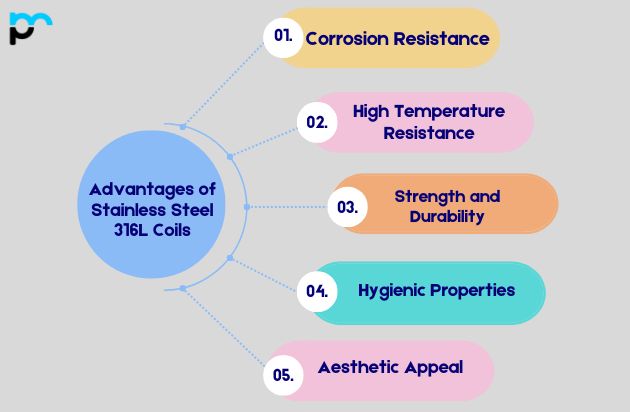
Corrosion Resistance: A key benefit of stainless steel 316L coils is their outstanding resistance to corrosion. Incorporating molybdenum into the steel’s makeup improves its ability to withstand corrosion caused by different chemicals, acids, and salts, which makes it well-suited for use in demanding settings such as marine or chemical processing environments.
High Temperature Resistance: Stainless steel 316L coils retain their mechanical characteristics even under high temperatures, which makes them appropriate for uses where exposure to raised temperatures is frequent, such as in heat exchangers or automotive exhaust systems.
Strength and Durability: 316L stainless steel coils provide high tensile strength along with outstanding durability, enabling them to bear heavy loads and resist warping, even in demanding conditions.
Hygienic Properties: Stainless steel 316L is non-reactive and simple to clean, which makes it perfect for uses where hygiene is essential, such as in food processing equipment, medical devices, and pharmaceutical manufacturing.
Aesthetic Appeal: Stainless steel has a sleek and contemporary look that brings aesthetic value to products and structures. The smooth surface finish of 316L coils boosts their visual appeal and makes them well-suited for architectural applications, decorative elements, and consumer goods.
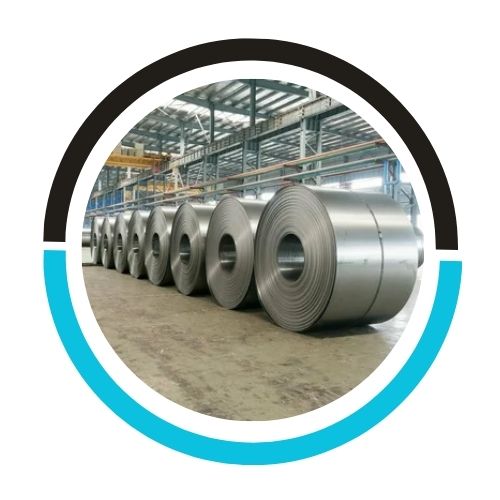
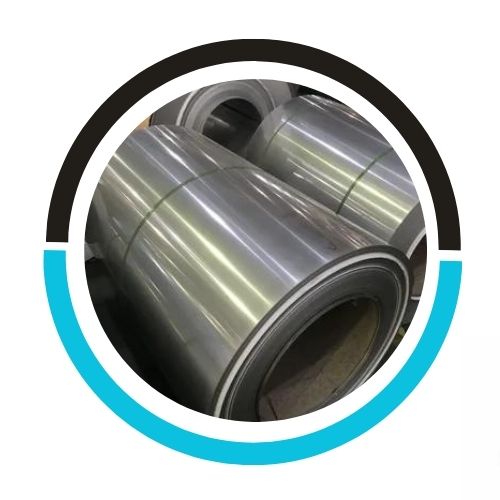
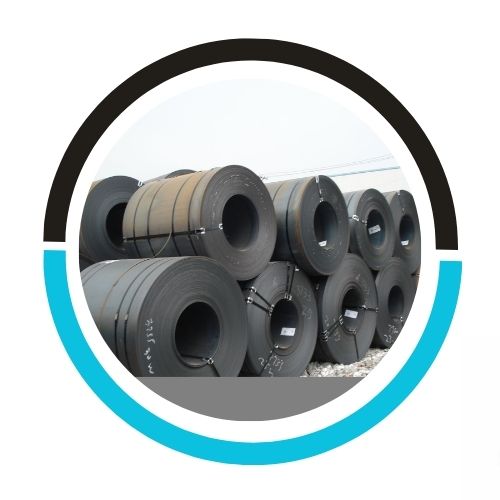
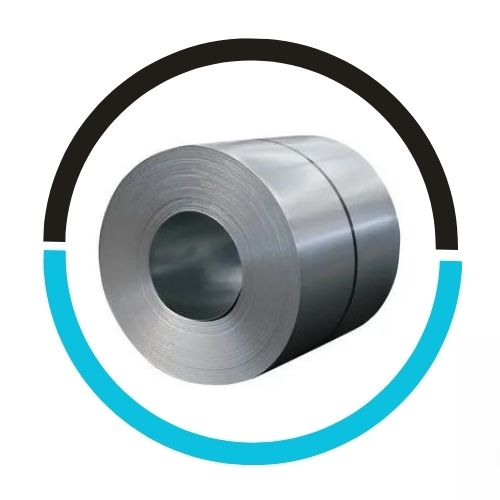
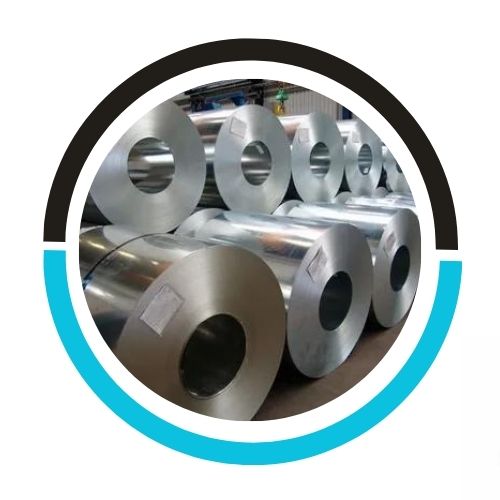
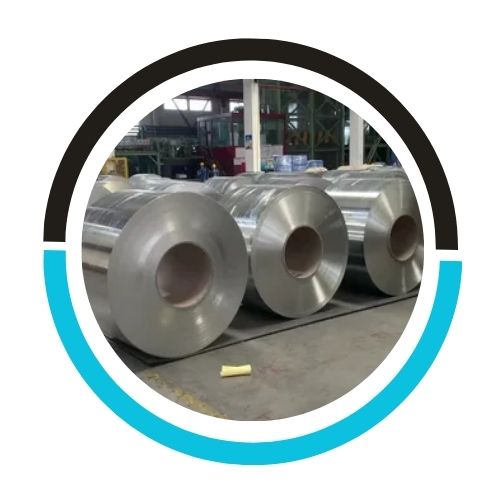
Stainless Steel 316L Coils serve applications as varied as the industries that use them, led mainly by the aerospace, railway, construction and automotive industries along with petrochemical, nuclear, medical, Oil & Gas, Chemical, Pharmaceutical, Food & Beverage, Nuclear, Thermal Power plants, Paper and Pulp, marine and mining, etc.
Chemical Industry: 316L stainless steel coils find broad application in the chemical sector for equipment including storage tanks, reactors, and piping systems, where withstanding corrosive chemicals is vital.
Food Processing: Thanks to its outstanding corrosion resistance and sanitary characteristics, 316L stainless steel is frequently employed in food processing machinery such as conveyors, mixers, and storage tanks.
Medical Equipment: A great deal of medical devices and equipment call for materials that are non-reactive and biocompatible. Stainless steel 316L is regularly chosen for medical instruments, surgical tools, and implants.
Pharmaceutical Industry: Pharmaceutical production plants rely on 316L stainless steel coils for equipment such as reactors, storage tanks, and piping systems where cleanliness and corrosion resistance are essential.
Temperature Resistance: Assess the range of temperatures the coils will encounter. Stainless steel 316L offers strong resistance to elevated temperatures, but if your application involves extreme heat, you might have to look into alternative grades that provide greater temperature resistance.
Strength and Durability: Identify the mechanical characteristics your application demands, including tensile strength, yield strength, and elongation. Select coils that offer suitable strength and durability to endure the operational stresses and conditions.
Formability and Fabrication: Take into account the formability and fabrication needs of the coils for your particular application. Stainless steel 316L is recognized for its excellent formability and weldability, which makes it well-suited for a range of fabrication processes like bending, welding, and machining.
Yes,Stainless steel 316L coils are highly recyclable. They can be melted down and repurposed to create new stainless steel products without any loss of their inherent properties, making them an environmentally sustainable option for a range of industries. Recycling helps preserve resources and lower the environmental impact of stainless steel production.
Stainless steel 316L coils work well with a broad selection of piping materials frequently found across many industries, such as carbon steel, copper, and PVC. Correct installation practices and suitable joining approaches guarantee smooth integration, providing flexibility and adaptability in the design and construction of piping systems.
Installation of stainless steel 316L coils requires attention to several factors: adequate surface preparation to avoid contamination, appropriate joining techniques such as welding or compression fittings, verifying compatibility with adjacent materials, accounting for thermal expansion, and adhering to industry standards for handling and installation in order to preserve the coils’ integrity and performance.
Yes,Stainless steel 316L coils are suitable for underground use thanks to their outstanding resistance to corrosion. Using proper insulation, cathodic protection, and appropriate backfill materials helps reduce soil corrosion. Sufficient drainage and safeguards against mechanical damage guarantee the coils remain durable and perform well underground.
Mail: sales@koasteel.nz