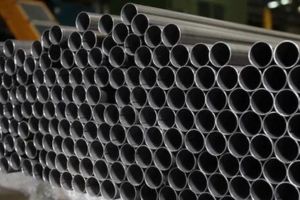
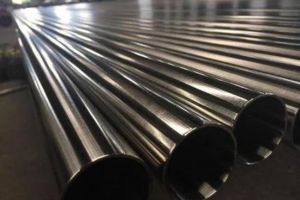
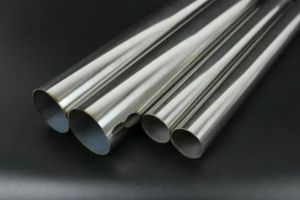
Titanium Pipes

Home > Titanium > Titanium Pipes

Titanium Pipes Suppliers, Manufacturer, and Expoter in Auckland, New Zealand

Titanium Alloy Pipes, Ti Alloy Industrial Pipe Supplier in Auckland, Titanium Large Diameter Pipes, Titanium Alloy Seamless Pipes Supplier and Exporter in Christchurch, New Zealand.

Table of Contents

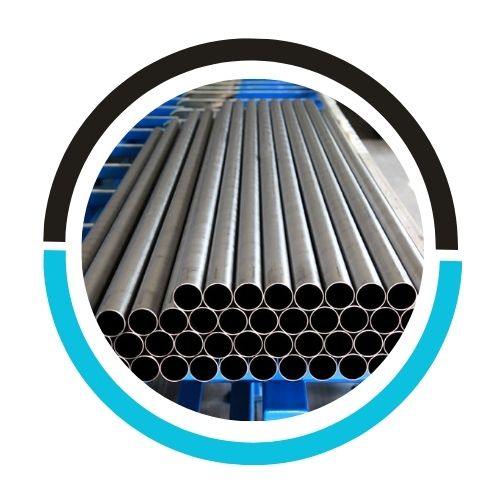
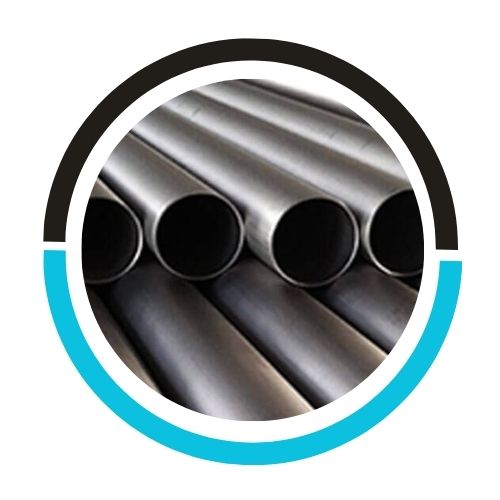
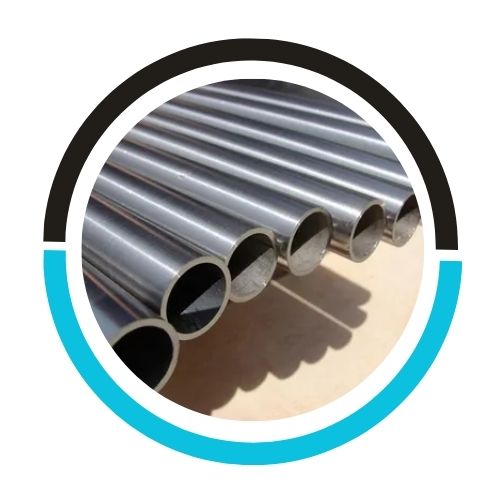
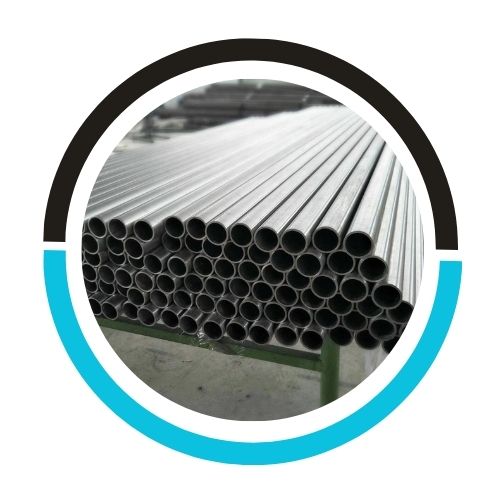
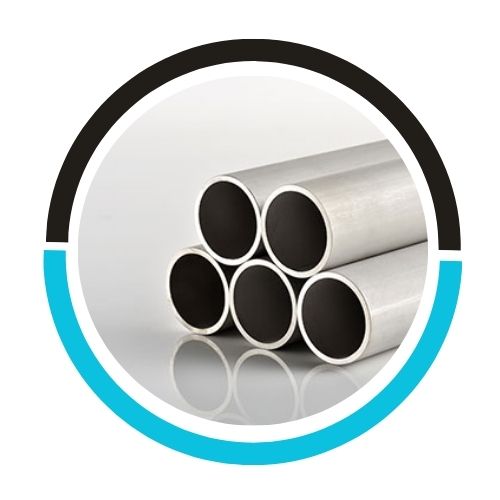
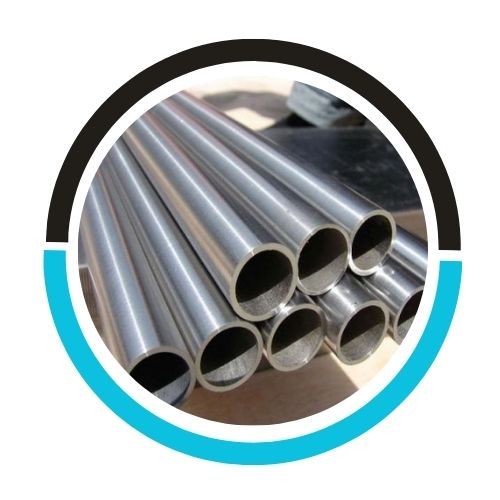
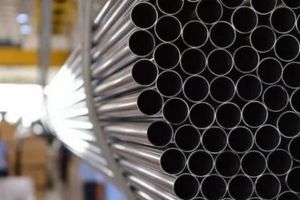
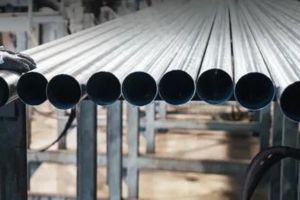
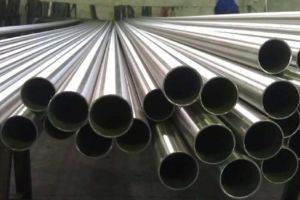
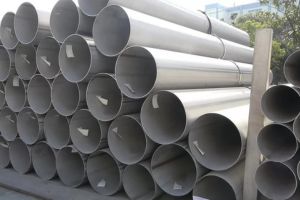
Titanium PipesTitanium pipes are in high demand across many industries owing to their exceptional properties. Celebrated for their outstanding strength, corrosion resistance, and lightweight build, these pipes are extensively utilized in aerospace, chemical processing, medical uses, and marine environments. Their toughness guarantees lasting performance, making them the go-to choice wherever dependability matters most. Additionally, their capacity to withstand extreme temperatures and severe conditions further cements their significance in demanding applications. Ultimately, titanium pipes provide a reliable answer for industries requiring superior strength and corrosion resistance.

Titanium Pipes Specifications

Standards : ASTM B862, B861 / ASME SB862, SB861
Dimensional : ANSI/ASME X6.19M, ANSI/ASME X6.10M
Seamless Pipe Size : 1 / 2″ NB – 16″ NB
Welded Pipe Size : 1 / 2″ NB – 24″ NB
Outside Diameter : 6.00 mm OD up to 914.4 mm OD, Sizes up to 24” NB available Ex-stock, OD Size Steel Tubes available Ex-stock
Pipe Type : Seamless / Welded / ERW / Fabricated / CDW / 100% X Ray Welded
Thickness Range : SCH 5, SCH10, SCH 40, SCH 80, SCH 80S, SCH 160, SCH XXS, SCH XS
Pipes End : Plain End, Beveled End, Treaded One End, TBE (Treaded Both Ends)
Value Added Services : Cutting, Beveling, Polishing, Threading, Destructive, Non Destructive, Ultrasonic Testing

Titanium Pipes Chemical Composition

GradeCNOHTiFe
Titanium .08 max.03 max.18 max.015 maxBal.20 max

Titanium Hot Rolled Pipes in Wellington, Titanium Hollow Pipes in Auckland, Titanium ERW Pipes Manufacturer in Christchurch, Titanium Round Pipes Manufacturer and Exporter in Auckland, New Zealand.

Titanium Pipes Mechanical Properties

ElementDensityMelting PointTensile StrengthYield Strength (0.2%Offset)Elongation
Titanium4.5 g/cm31665 °C (3030 °F)Psi – 49900 , MPa – 344Psi – 39900 , MPa – 27520 %

Top Titanium Pipes Manufacturing Company in Auckland

At Koasteel, we’re proud to stand as the largest supplier and manufacturer in the New Zealand, delivering advanced solutions for every one of your piping requirements. Our modern production facilities, strategically situated in New Zealand, allow us to maintain an extensive stock of more than 25,000 tons of top-quality materials on hand and ready to ship.

Contact us for a fast quote tailored to your requirement.

We provide these Titanium Pipes in accordance with DIN, ISO, JIS or ANSI Standard.
Titanium Cold Drawn Pipes Supplier in Christchurch, Titanium Cold Rolled Pipes Stockiest Manufacturer and Exporter in Christchurch, New Zealand.

Other Grades

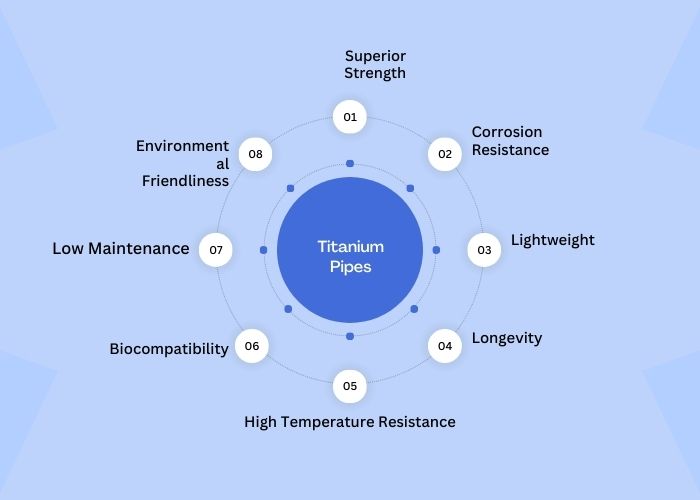
Advantages of Titanium Pipes

Advantages of Titanium Pipes
  • Superior Strength: Titanium pipes offer an excellent strength-to-weight ratio, giving them greater strength than steel while weighing considerably less.
  • Corrosion Resistance: They provide outstanding resistance to corrosion, even in demanding settings like chemical processing facilities and marine uses.
  • Lightweight: Because titanium has a low density, these pipes weigh far less than steel, which lowers shipping expenses and simplifies installation.
  • Longevity: Thanks to their ability to resist corrosion and breakdown, titanium pipes last longer than conventional materials.
  • High Temperature Resistance: They can endure extreme temperatures while maintaining their structural integrity, which makes them perfect for heat-related applications.
  • Biocompatibility: Titanium is biocompatible, which makes it well-suited for medical implants and devices without the danger of the body rejecting it.
  • Low Maintenance: Because they resist corrosion and degradation, titanium pipes need very little upkeep throughout their service life.
  • Environmental Friendliness: Titanium is non-toxic and completely recyclable, making it a more eco-friendly option than other materials.

Types of Titanium Pipes

Titanium Pipes in New Zealand
Titanium Pipes
Titanium Seamless Pipe in New Zealand
Titanium Seamless Pipe
Titanium ERW Pipe in New Zealand
Titanium ERW Pipe
AISI Titanium Pipes in New Zealand
AISI Titanium Pipes
Titanium Welded Pipe
Titanium Round Pipe in New Zealand
Titanium Round Pipe

Titanium Thin Wall Pipes Price List in Christchurch, Titanium Electropolish Pipes Manufacturer and Exporter in Auckland, New Zealand.

Titanium Pipes Applications

Application Industry

Titanium Pipes have applications as varied as the industries they support, led chiefly by the aerospace, railway, construction and automotive sectors, along with petrochemical, nuclear, medical, Oil & Gas, Chemical, Pharmaceutical, Food & Beverage, Nuclear, Thermal Power plants, Paper and Pulp, marine and mining, etc.

Aerospace Industry:

Oil and Gas Industry

Chemical Processing

Marine Engineering

  • Aerospace Industry: Titanium pipes serve in the production of aircraft for a range of components including hydraulic systems, airframes, and exhaust systems, owing to their low weight combined with high strength.
  • Chemical Processing: They find use in chemical processing facilities for safely moving corrosive chemicals and fluids, thanks to their outstanding resistance to corrosion.
  • Oil and Gas Industry: Titanium pipes are applied in offshore drilling activities and refineries where resistance to corrosion is essential, guaranteeing dependable operation in demanding conditions.
  • Marine Engineering: Titanium pipes are preferred for marine uses like shipbuilding and offshore platforms because they resist corrosion caused by saltwater.
  • Medical Devices: They are used in medical implants and surgical instruments because titanium is biocompatible and can integrate with the human body without triggering adverse reactions.
  • Desalination Plants: Titanium pipes serve a vital function in desalination plants where seawater is turned into freshwater, owing to their corrosion resistance and their capacity to endure high-pressure conditions.
  • Power Generation: Titanium pipes are employed in power plants, especially in nuclear and thermal power generation, for uses such as heat exchangers and cooling systems because they resist corrosion and high temperatures.
  • Automotive Industry: Titanium pipes are used in high-performance vehicles, particularly in exhaust systems, where their low weight and heat resistance help boost performance and fuel efficiency.
  • Heat Exchangers: They are used across numerous industries for heat transfer purposes due to titanium’s excellent thermal conductivity and its resistance to corrosion.

How to Choose the Right Titanium Pipes

  • Consider Application Requirements: Assess the particular demands of your application—including pressure, temperature, and exposure to corrosive conditions—so you can identify the right grade and specifications of titanium pipes required.
  • Grade of Titanium: Pick the titanium pipe grade according to how it will be used. Grades 1 through 4 consist of commercially pure titanium, whereas grades 5 through 23 are titanium alloys, with each providing distinct properties fitted to different environments.
  • Corrosion Resistance: Opt for titanium pipes offering strong corrosion resistance appropriate to the environment where they will be used. Take into account elements like pH levels, the presence of chemicals, and temperature fluctuations.
  • Size and Dimensions: Make sure the titanium pipes correspond to the size and dimensions your application demands. Factor in aspects such as diameter, wall thickness, and length so they satisfy the specific requirements of your project.
  • Strength and Durability: Determine the strength and durability needs of your application in order to choose titanium pipes with suitable mechanical properties, including tensile strength, yield strength, and fatigue resistance.
  • Certifications and Standards: Confirm that the titanium pipes comply with industry standards and certifications, such as ASTM (American Society for Testing and Materials) specifications, to guarantee quality and reliability.
  • Supplier Reputation: Select a trustworthy supplier or manufacturer known for delivering high-quality titanium pipes. Look into customer reviews, certifications, and industry standing to confirm reliability and customer satisfaction.
  • Cost Considerations: Weigh the cost of titanium pipes against your budget and project needs. Take into account the long-term savings tied to durability, maintenance, and performance to reach a well-informed decision.

Can Titanium Pipes be Welded?

YesTitanium pipes are indeed weldable. That said, joining titanium calls for specialized methods and gear because the metal is highly reactive with oxygen and nitrogen at high temperatures. Using the right shielding gas and an inert atmosphere is critical to avoid contamination and produce top-quality welds. On top of that, meticulous cleaning and preparation of the welding zone are vital for successful welds and for preserving the soundness of the titanium. In short, welding titanium can be done, but it demands skill and careful handling to produce dependable, long-lasting weld joints.

Titanium Round Pipes, Titanium Hexagonal Pipes in Christchurch, Titanium Heat Exchanger Manufacturer and Exporter in Christchurch, New Zealand.

FAQ (Frequently Asked Questions)

Are Titanium Pipes Recyclable?

YesTitanium pipes can be recycled. Titanium is a material that lends itself well to recycling, and recycling operations can recover titanium from scrap or products that have reached the end of their life, melting it down to create new titanium items, pipes among them. Recycling titanium contributes to preserving natural resources, cutting energy use, and lessening environmental harm.

How are Titanium Pipes Sized?

Titanium pipes are dimensioned according to their diameter, wall thickness, and length. Diameter is generally expressed in inches or millimeters, and wall thickness is likewise stated in inches or millimeters. Length can differ based on the application and is normally given in feet or meters. Standard sizing conventions are applied to guarantee compatibility and interchangeability with other parts in the system.

Can Titanium Pipes be Used for Underground Applications?

YesTitanium pipes are suitable for underground use. That said, several considerations—including soil characteristics, the risk of corrosion, and installation methods—must be taken into account. Appropriate coatings or linings might be needed to shield the pipes from corrosion in aggressive soil conditions. Furthermore, sufficient support and correct installation practices should be used to guarantee the strength and durability of titanium pipes beneath the ground.

Other Pipes Material

Post Enquiry

Fill out the form below, and we will be in touch shortly.