
Home > Stainless Steel > Stainless Steel Stud Bolts
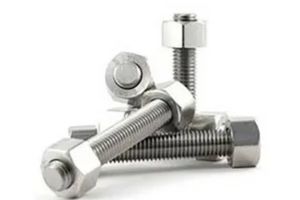
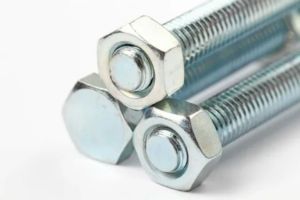
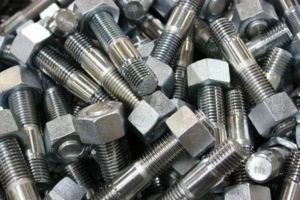
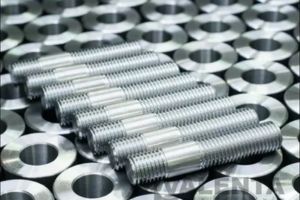
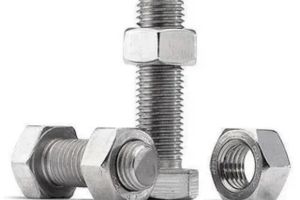
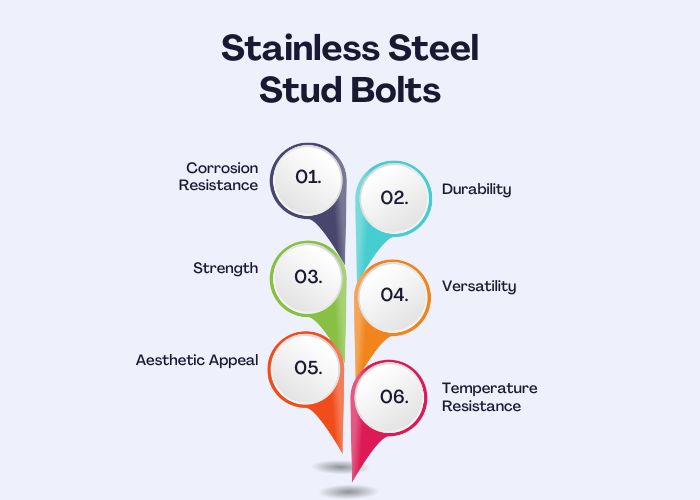
Stainless Steel Stud Boltsare custom-manufactured specialty fasteners made from stainless steel, which is well known for withstanding corrosion. These bolts consist of a threaded rod with threads on each end, frequently used to fasten flanges within piping systems in a secure manner. Their sturdiness, paired with rust resistance and high tensile strength, makes them well suited for a broad range of industrial uses, such as offshore installations, chemical plants, and petrochemical refineries, where lasting durability and dependability in corrosive settings are essential.
|
Standards |
Designation |
|---|---|
| Thread Requirements of Stud Bolts | UNC & UNF, ASME B1.1, Class 2A (Fastenal will inspect and accept parts with a 1A no-go gauge) |
| Stainless Steel Stud Bolts Manufacturing Process | Cold Heading, Wire Drawing, Heat Treatment, Insert tapping, Inspection, Surface Plating, Packing |
| Stainless Steel Stud Bolts Delivery time | custom product will according to special requirement, Regular product is about 7-15 days |
| Stainless Steel Stud Bolts Coatings | PTFE |
| Stainless Steel Stud Bolts Head | Square, Hex, Hex flange, Round, T-head, Flat & Triangular etc |
| Stainless Steel Stud Bolts Neck type | Square, Hex, Oval, Triangular & Knurled etc |
|
Stainless Steel Stud Bolts Dimensions |
ASME B18.3, B18.2.1 |
|
Melt Origin |
South America/East Europe/Japan/Korea |
|
Product Origin |
Made in India |
|
Stainless Steel Stud Bolts Threads Configuration |
B1.13M 6h Metric Coarse Threads and ASME B1.1 2A/3A Inch Unified Threads |
|
Stainless Steel Stud Bolts Certification |
Dual Certified As per ASME & ASTM Codes |
|
Additional Certifications |
Merkblatt AD 2000 W2 Certified, PED 97/23/EC Certified |
|
Mandatory Requirements |
Free from Radioactive & Mercury Contamination |
|
Additional Requirements |
NACE MR0175 / MR0103 /ISO 15156 Compliance |
| Stainless Steel Stud Bolts Samples | Yes |
| Payment Terms | Western Union, T/T, Paypal, Trade Assurance 30% deposit & balance before shipping or L/C |
| Grade | Density | Melting Point | Tensile Strength | Yield Strength (0.2%Offset) | Elongation |
| SS Stud Bolts | 8.0 g/cm3 | 1400 °C (2550 °F) | Psi – 75000 , MPa – 515 | Psi – 30000 , MPa – 205 | 35 % |
| Grade | C | Mn | Si | P | S | Cr | Mo | Ni | N |
| SS Stud Bolts | 0.08 max | 2.0 max | 0.75 max | 0.045 | 0.030 | 18.0-20.0 | – | 8.0-10.5 | 0.10 |
At Koasteel, we take pride in being the largest supplier and manufacturer in the New Zealand, delivering innovative solutions for all your piping requirements. With advanced production facilities strategically situated in the New Zealand, we maintain an extensive inventory of more than 25,000 tons of top-quality materials kept ready in stock.
Reach out to us for a fast quote on your requirement.
We supply these Stainless Steel Stud Bolts in accordance with DIN, ISO, JIS or ANSI Standard.
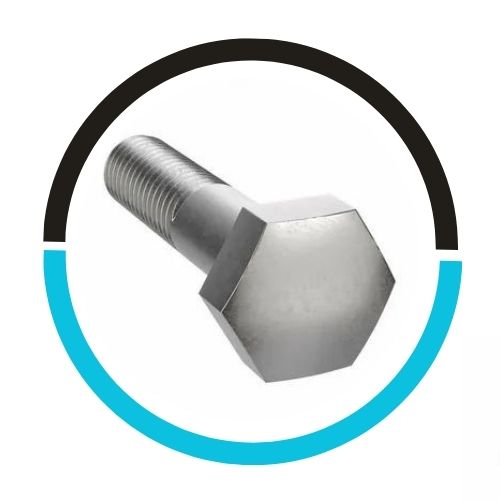
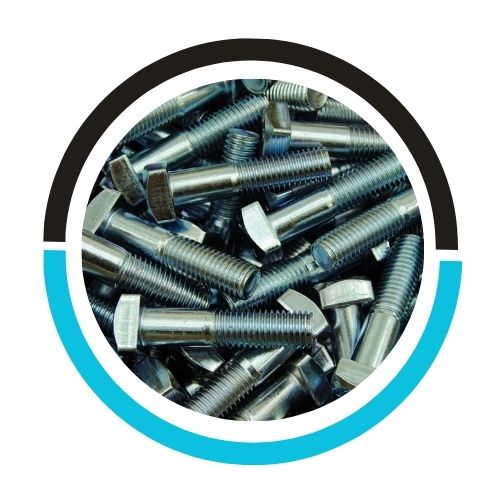
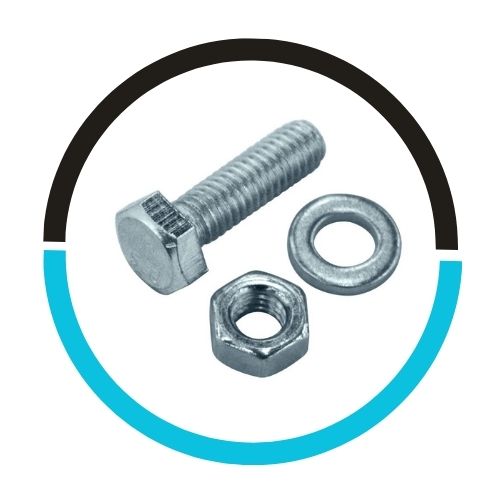
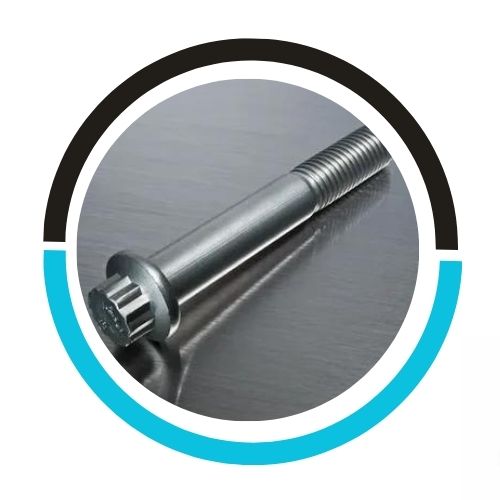
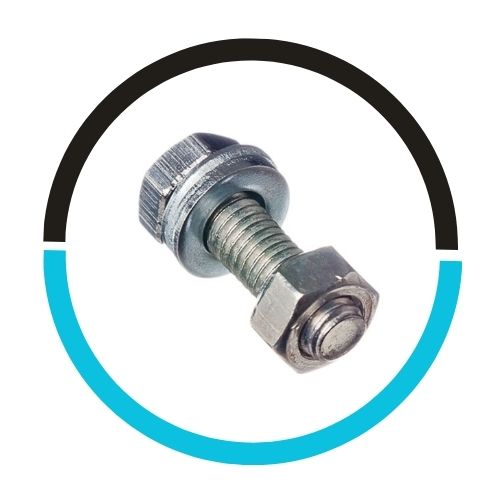
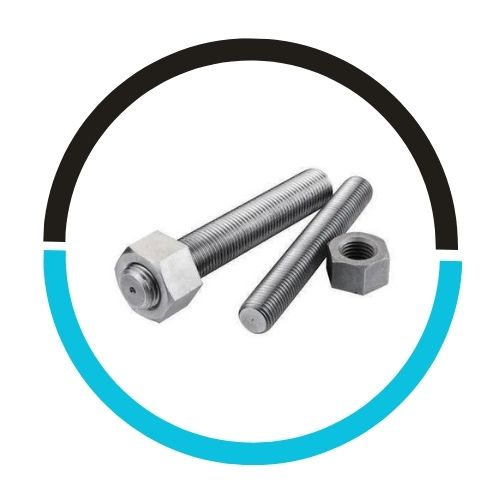
Stainless Steel Stud Bolts serve applications as varied as the industries they support, led mainly by the aerospace, railway, construction and automotive industries along with petrochemical, nuclear, medical, Oil & Gas, Chemical, Pharmaceutical, Food & Beverage, Nuclear, Thermal Power plants, Paper and Pulp, marine and mining, etc.
Yes, stainless steel stud bolts can be recycled. Stainless steel is a highly recyclable material that can be melted down and repurposed to make new stainless steel products without sacrificing its intrinsic properties. Recycling stainless steel helps preserve natural resources, lowers energy usage, and reduces the environmental impact tied to extracting and producing raw materials. As a result, stainless steel stud bolts provide a sustainable fastening option for a wide range of applications, promoting eco-friendly practices across construction, manufacturing, and other industries.
Yes, stainless steel stud bolts are suitable for underground applications, depending on the particular grade of stainless steel and the surrounding environmental conditions. Stainless steel is recognized for its resistance to corrosion, which makes it appropriate for underground use where the bolts might come into contact with moisture, soil, and other corrosive materials. Nevertheless, it’s crucial to choose the right grade of stainless steel and take into account factors like soil composition, moisture levels, and possible exposure to chemicals or salts in the underground setting to guarantee the durability and performance of the stud bolts. Furthermore, correct installation methods, including corrosion protection measures, should be observed to improve the longevity of the fasteners in underground applications.
Installing stainless steel stud bolts requires attention to several factors: preparing the surface correctly, following torque specifications, applying thread lubrication, confirming full thread engagement, meeting corrosion protection requirements, choosing appropriate materials for the setting, and performing detailed inspections to verify correct installation and performance.
Email: sales@koasteel.nz