
Home > Stainless Steel > Stainless Steel 420 Pipe
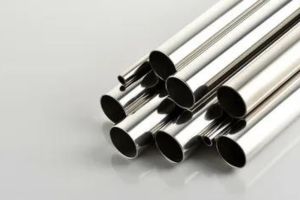
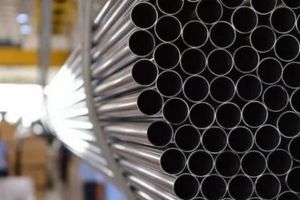
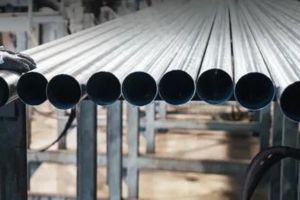
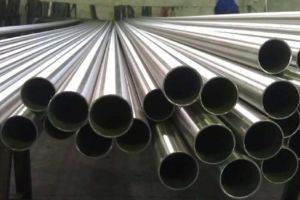
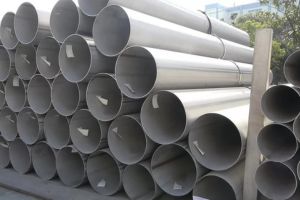
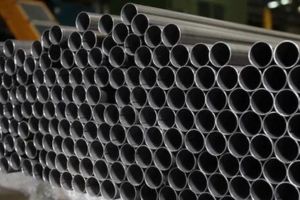
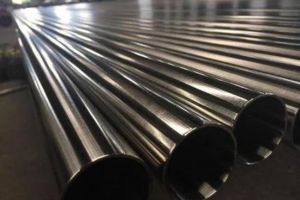
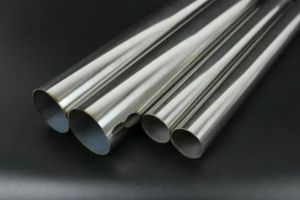
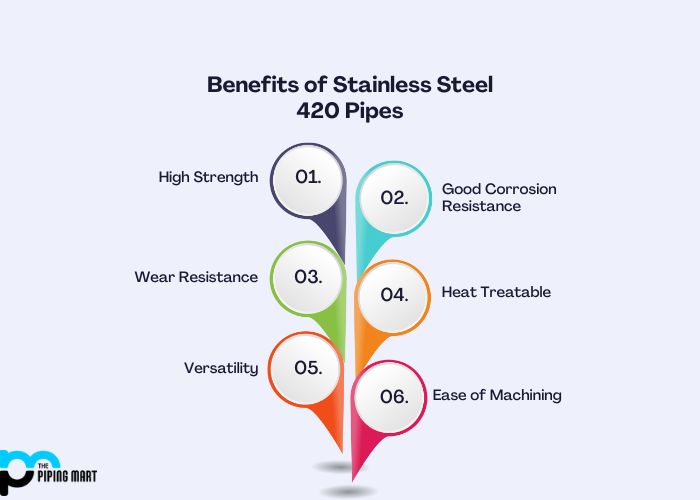
Stainless Steel 420 Pipesare a category of martensitic stainless steel recognized for their elevated strength, hardness, and resistance to corrosion. They consist of chromium and carbon, delivering solid wear resistance and moderate corrosion resistance across a range of environments. Stainless steel 420 pipes are frequently employed in applications that demand durability and toughness, including surgical instruments, cutting tools, valves, and shafts within industrial settings.
| Item | Stainless Steel 420 Pipe |
| Standard | GB, AISI, ASTM, ASME, EN, BS, DIN, JIS |
| Type | Seamless / ERW / Welded / Fabricated / CDW |
| Outer Diameter Size | SEAMLESS – 1/2″ NB TO 18″ NB WELDED / ERW- 1″ NB TO 16″ NB EFW – 8″ NB TO 110″ NB |
| Form | Round Pipes, Square Pipes, Rectangular Pipe, “U” Shape Pipes, Hydraulic Pipes |
| Wall Thickness | Schedule 10 To Schedule 160 (3 mm to 100 mm Thickness) |
| Length | 01 Meter to 12.5 Meters, Single Random Length, Double Random Length And Customize Size End: Plain End, Beveled End, Treaded |
| Delivery Conditions | As Rolled, Formed, Stress Relieved, Annealed, Hardened, Tempered, Cold Draw |
| Coating | Electropolish, Mechanical Polish, Satin Finish, Passivated |
| Testing | Product Analysis, Transverse Tension Test, Flattening Test, Etching Test, Radiographic Examination, Stabilizing Heat Treatment, Intergranular Corrosion Test, Weld Decay Test, Magnetic Particle Detection, Grain Size Test, NACE 0175, Dual Grade, PWHT (POST WELD HEAT TREATMENT), Flare Test, Bend Test, Hardness Test, Tensile Test etc |
| Dimension | All Pipes Is Manufactured and Inspected / Tested to the Relevant standards including ASTM and ASME |
| Value Added Services | Draw / Expansion / Machining / Sand Blasting / Shot Blasting / Heat Treatment |
| Packaging | Loose / Bundle / Wooden Pallet / Wooden Box / Plastic Cloth Wraps / Plastic End Caps / Beveled Protector |
| Material Test Certificate | Manufacturer Test Certificate As Per EN10204 3.1, 3.2 / Laboratory Test Certificate From NABL Approved Lab. / Under Third Party Inspection Agency Like SGS, TUV, DNV, LLOYDS, ABS ETC |
| Grade | C | Mn | Si | P | S | Cr | MO | Ni | CU | |
| 420 | Min | – | – | – | – | – | 12.0 | – | – | – |
| max | 0.15 | 1.00 | 1.00 | 0.04 | 0.03 | 14.0 | – | – | – |
| Grade | Tensile Strength (MPa) min | Yield Strength 0.2% Proof (MPa) min | Elongation (% in 50mm) min | Hardness | |
| Rockwell B (HR B) | Brinell (HB) | ||||
| 420 | 95,000 | 50,000 | 25 | – | 175 |
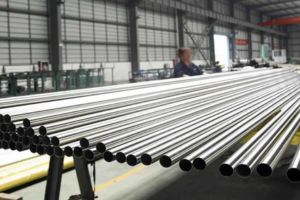
At Koasteel, we take pride in being the largest supplier and manufacturer in the New Zealand, delivering advanced solutions for all your piping requirements. With cutting-edge production facilities strategically situated in the New Zealand, we maintain an extensive inventory of more than 25,000 tons of top-quality materials on hand and ready in stock.
Reach out to us for a fast quote on your requirement.
We supply these Stainless Steel 420 Pipes in accordance with DIN, ISO, JIS or ANSI Standard.
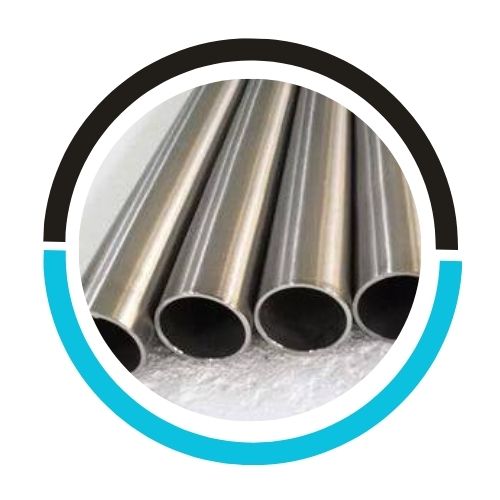
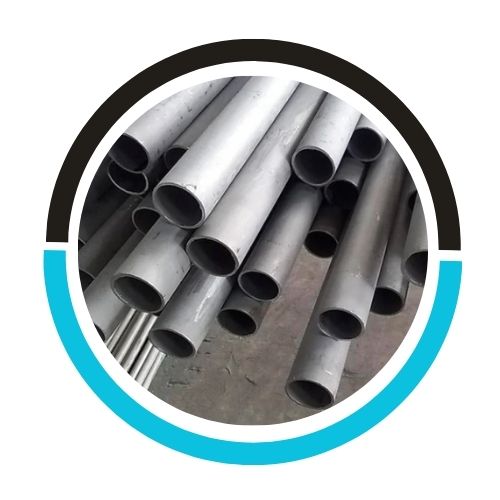
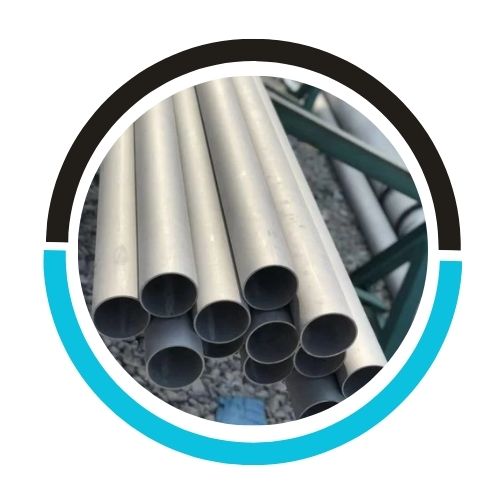
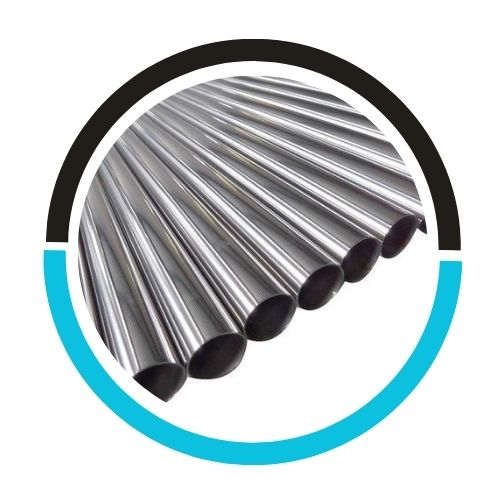
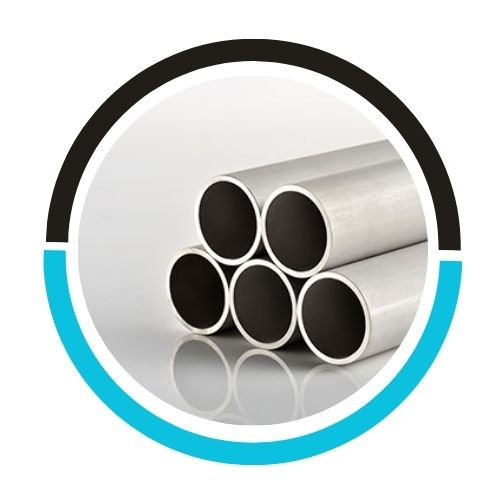
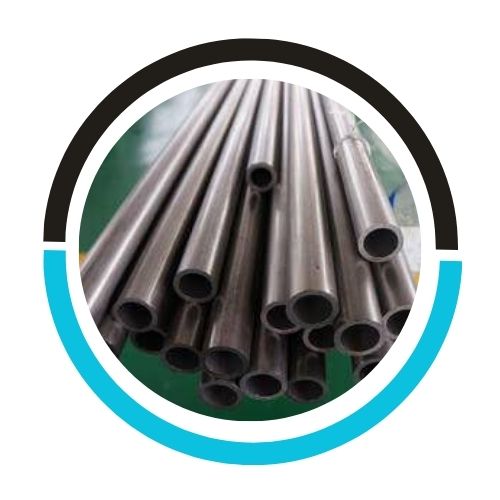
Stainless Steel 420 Pipes serve applications as varied as the industries that use them, led chiefly by the aerospace, railway, construction and automotive industries, along with petrochemical, nuclear, medical, Oil & Gas, Chemical, Pharmaceutical, Food & Beverage, Nuclear, Thermal Power plants, Paper and Pulp, marine and mining, etc.
Stainless Steel 420 Pipesare able to withstand rust in the majority of settings thanks to their chromium content, which creates a protective oxide layer across the surface. Nevertheless, corrosion can still occur under severe conditions or extended contact with corrosive materials. Routine upkeep, such as cleaning and steering clear of harsh chemicals, can assist in stopping rust from forming and maintaining the durability of stainless steel 420 pipes.
Stainless steel 420 pipes belong to the martensitic stainless steel family, recognized for their strong mechanical properties, hardness, and resistance to corrosion. Made with chromium and carbon, they offer solid wear resistance along with moderate corrosion protection across a range of conditions. These 420 stainless steel pipes are frequently chosen for uses that demand toughness and long-lasting performance, including surgical instruments, cutting tools, valves, and shafts within industrial settings.
Stainless steel 420 pipes typically need no special upkeep beyond routine cleaning with mild soap and water to eliminate surface contaminants. That said, in settings where corrosion or staining poses a concern, occasional cleaning and applying protective coatings may be recommended. Furthermore, keeping them away from harsh chemicals and following proper storage and handling procedures can help maintain the look and functionality of stainless steel 420 pipes over the long term.
Yes, stainless steel 420 pipes are weldable with standard welding methods including TIG (tungsten inert gas) welding, MIG (metal inert gas) welding, and SMAW (shielded metal arc welding). That said, preheating and post-weld heat treatment might be required to reduce the chance of cracking and guarantee the soundness of the weld joint. Furthermore, it’s essential to select appropriate filler materials and welding settings to preserve corrosion resistance and mechanical properties. In general, correct welding procedures and safeguards must be observed to produce strong and lasting welds in stainless steel 420 pipes.
Email: sales@koasteel.nz