
Home > Stainless Steel > Stainless Steel 405 Pipe
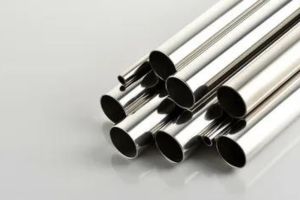
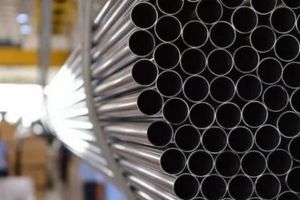
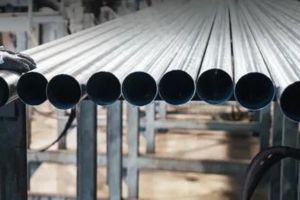
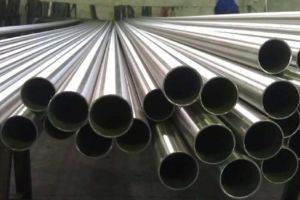
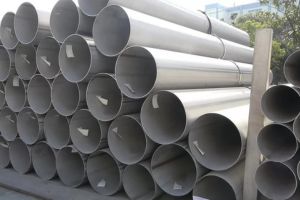
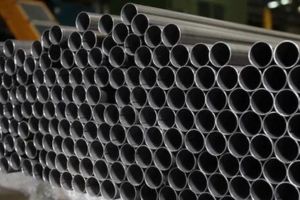
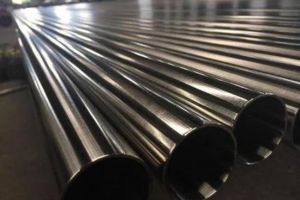
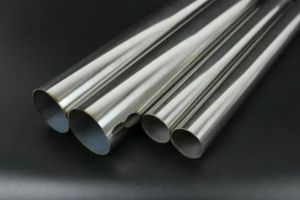
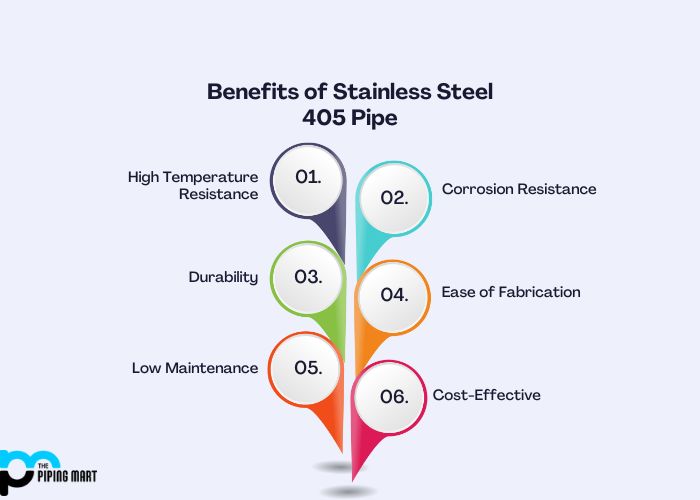
Stainless Steel 405 pipeis a ferritic stainless steel alloy made up of chromium and sulfur. It provides good resistance to corrosion in mildly corrosive settings and is especially resistant to oxidation under high-temperature conditions. Stainless steel 405 pipes are widely used in applications that demand heat resistance and moderate corrosion resistance, including automotive exhaust systems, heat exchangers, and furnace components. They are prized for their durability, heat resistance, and ease of fabrication, which makes them well suited for a range of industrial and high-temperature applications.
| Specifications | ASTM A240, ASME SA240 |
| Dimensions | 0.08-200mm(T)*W*L |
| Surface | surface and finish of stainless steel sheets |
| Material | Ferritic Stainless Steel |
| Processes | Hot Rolled,Cold Rolled |
| Surface | BA/2B/NO.1/NO.3/NO.4/8K/HL/2D/1D, Hairline, Mirror finish, Brush, Polished, Sand blast |
| Grade | C | Mn | Si | P | S | Cr | Others |
|---|---|---|---|---|---|---|---|
| JIS SUS 405 | 0.08 max. | 1.00 max | 1.00 max | 0.040 max | 0.030 max. | 11.50 – 14.50 | Al 0.20 -0.30 |
| Grade | Tensile Strength ksi (MPa) min | Yield Strength 0.2% offset ksi (MPa) min | Elongation (% in 50mm) min | Hardness (Brinell) MAX | Hardness (Rockwell B) MAX |
|---|---|---|---|---|---|
| JIS SUS 405 | 60 (415) | 25 (170) | 20 | 179 | 88 |
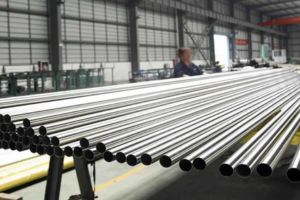
At Koasteel, we take pride in being the largest supplier and manufacturer in the New Zealand, delivering advanced solutions for every one of your piping requirements. With cutting-edge manufacturing facilities strategically situated in the New Zealand, we maintain an extensive stock of more than 25,000 tons of top-quality materials on hand and ready to ship.
Contact us for a fast quote tailored to your requirement.
Stainless Steel 405 Pipe conforming to DIN, ISO, JIS or ANSI Standard is what we supply.
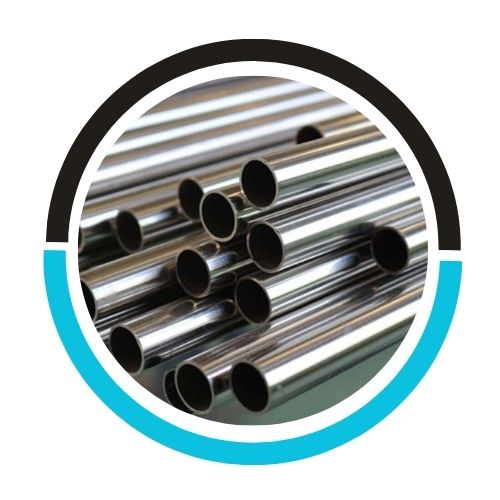
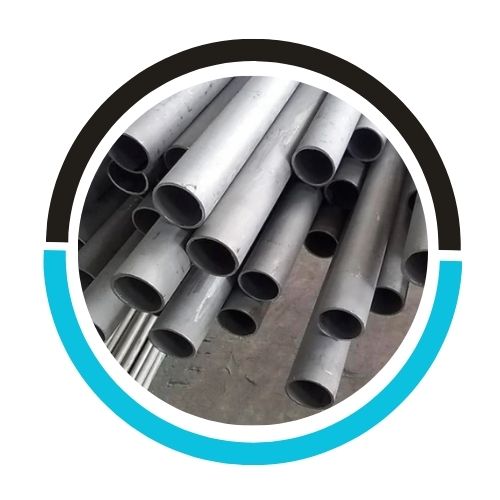
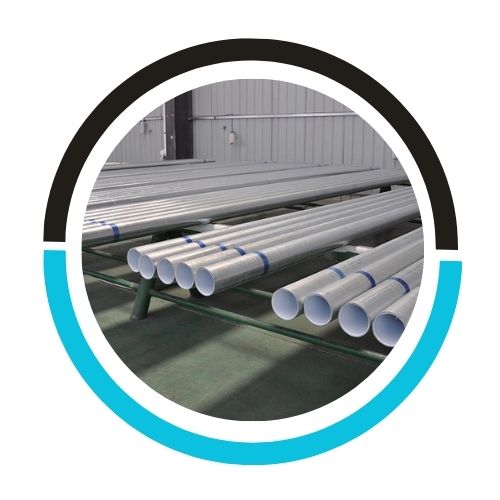
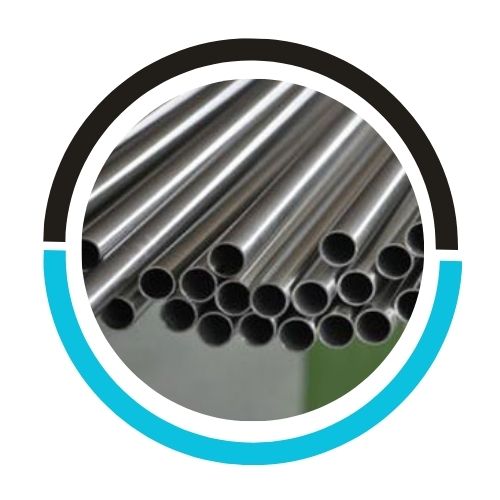
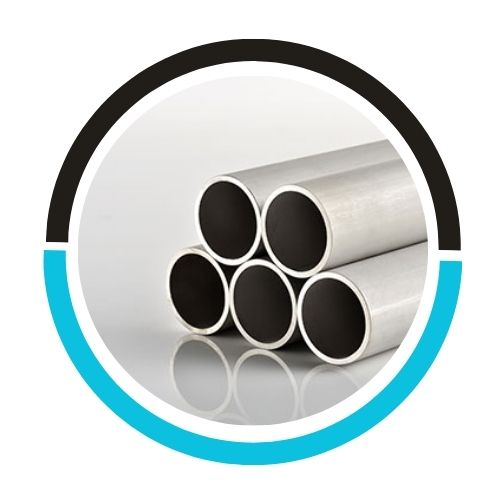
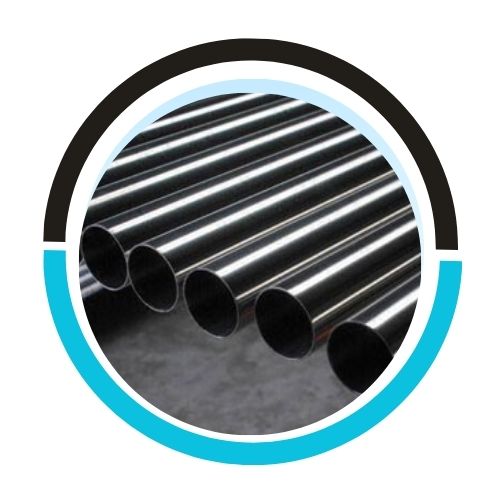
Stainless Steel 405 Pipe applications are as varied as the industries they support led chiefly by the aerospace, railway, construction and automotive industries along with petrochemical, nuclear, medical, Oil & Gas, Chemical, Pharmaceutical, Food & Beverage, Nuclear, Thermal Power plants, Paper and Pulp, marine and mining, etc.
Stainless Steel 405 Pipesare largely immune to corrosion in most settings owing to their elevated chromium content, which creates a protective oxide film across the surface. Nevertheless, they can still rust under severe conditions or extended contact with corrosive materials. Adequate upkeep and attention, such as routine cleaning and steering clear of exposure to aggressive chemicals, can assist in preventing rust from forming and maintaining the soundness of stainless steel 405 pipes.
Stainless steel 405 belongs to the ferritic stainless steel family and is distinguished by its elevated chromium level and a modest amount of added sulfur. It provides solid corrosion protection in mildly corrosive settings and demonstrates outstanding resistance to oxidation under high-temperature conditions. Stainless steel 405 is frequently applied where heat resistance and reasonable corrosion resistance are needed, including automotive exhaust systems, heat exchangers, and furnace components. Prized for its toughness, heat tolerance, and workability, it is well suited to a range of industrial and high-temperature uses.
Stainless steel 405 pipes typically need no special upkeep aside from routine cleaning using mild soap and water to eliminate surface contaminants. That said, in high-temperature or corrosive settings, it’s wise to inspect the pipes for indications of oxidation or corrosion and resolve any problems quickly to preserve their performance. Furthermore, correct storage and handling procedures should be observed to avoid mechanical damage and guarantee the longevity of stainless steel 405 pipes.
YesStainless steel 405 pipes can be joined through standard welding methods including TIG (tungsten inert gas) welding, MIG (metal inert gas) welding, and SMAW (shielded metal arc welding). That said, preheating and post-weld heat treatment might be required to reduce the chance of cracking and safeguard the soundness of the weld joint. On top of that, selecting appropriate filler materials and welding settings is essential for preserving corrosion resistance and mechanical properties. In general, correct welding procedures and safeguards should be observed to produce strong and long-lasting welds in stainless steel 405 pipes.