
Home > Stainless Steel > Stainless Steel 330 Pipe
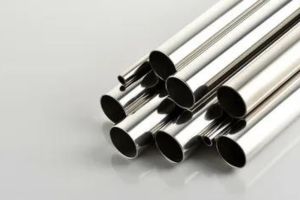
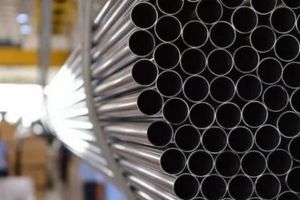
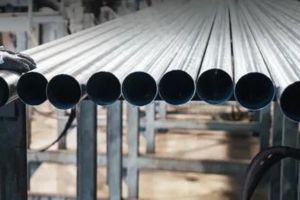
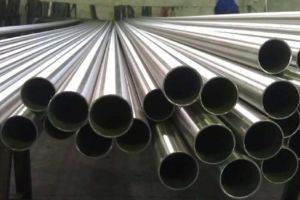
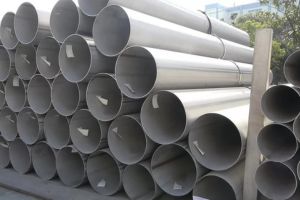
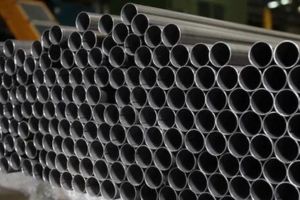
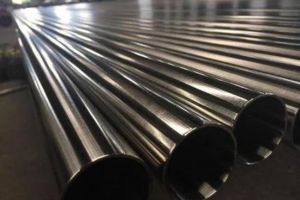
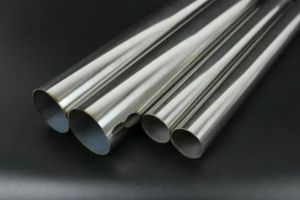
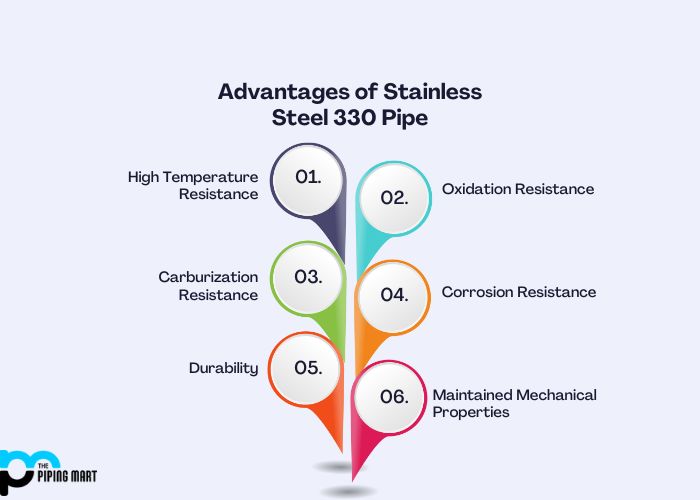
Stainless Steel 330 PipeDenotes piping manufactured from Stainless Steel 330, which is also referred to as UNS N08330. Stainless Steel 330 is a high-temperature austenitic stainless steel offering outstanding strength along with resistance to oxidation and carburization at elevated temperatures. Pipes produced from Stainless Steel 330 are frequently employed in high-temperature settings like industrial furnaces, heat exchangers, and thermal processing equipment where both corrosion resistance and high-temperature strength are essential. Such pipes are recognized for their durability, scaling resistance, and capacity to retain mechanical properties under high temperatures, which makes them well-suited for demanding environments.
| Specifications | : | ASTM B366 / ASME SB366 |
| Size | : | Seamless Butt Weld Fittings: 1/2″ – 10″, Welded Butt Weld Fittings: 1/2″ – 48″ |
| Standards | : | ASME/ANSI B16.9, ASME B16.28, MSS-SP-43 |
| Thickness | : | 5s, 10s, 40s, 80s, 10, 20, 40, STD, 60, 80, XS, 100, 120, 140, 160, XXS available with NACE MR 01-75 |
| Type | : | Seamless / Welded / Fabricated |
| Grade | C | Mn | Si | P | S | Cr | Cu | N | |
| 330 | min. | – | – | 0.75 | – | – | 17.0 | – | 34.0 |
| max. | 0.08 | 2.0 | 1.50 | 0.030 | – | 20.0 | – | 37.0 | |
| Grade | Tensile Strength (MPa) min | Yield Strength 0.2% Proof (MPa) min | Elongation (% in 50mm) min | Hardness | |
| Rockwell B (HR B) max | Brinell (HB) max | ||||
| 330 | – | – | – | – | – |
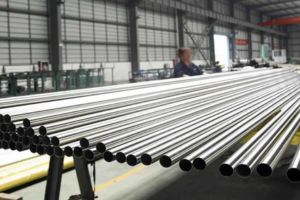
At Koasteel, we take pride in being the largest supplier and manufacturer in the New Zealand, delivering advanced solutions for every one of your piping requirements. With cutting-edge production facilities strategically situated in the New Zealand, we offer an extensive inventory of more than 25,000 tons of top-quality materials kept ready in stock.
Reach out to us for a fast quote tailored to your requirement.
We supply these Stainless Steel 330 Pipe conforming to DIN, ISO, JIS or ANSI Standard.
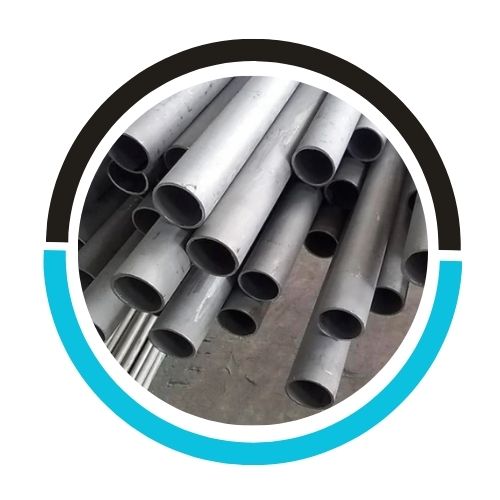
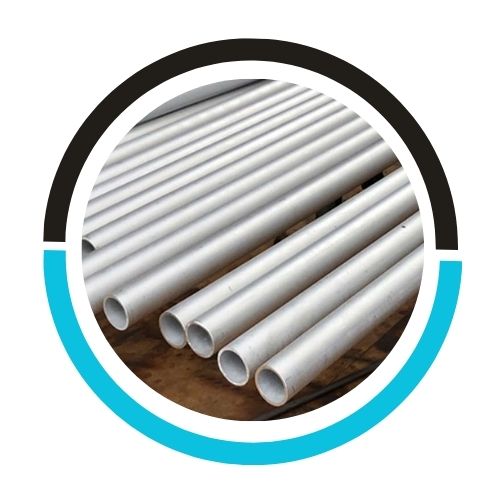
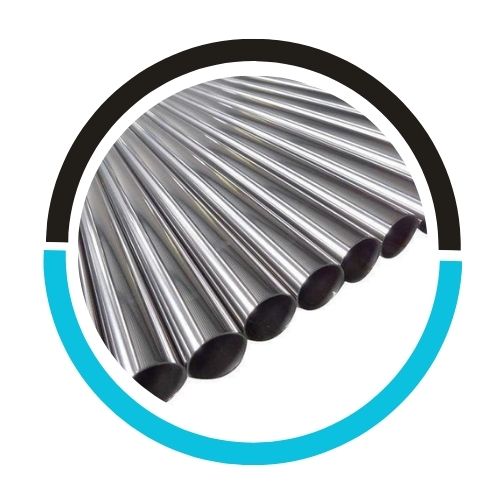
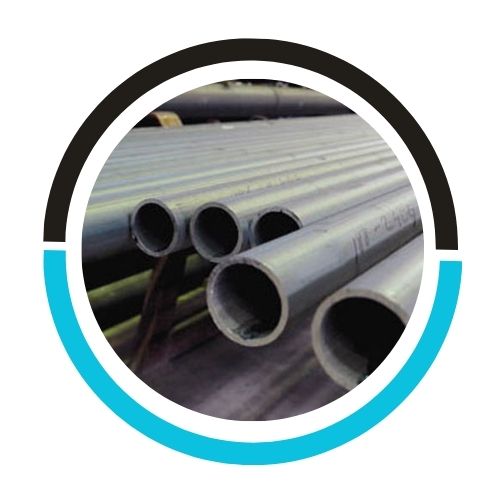
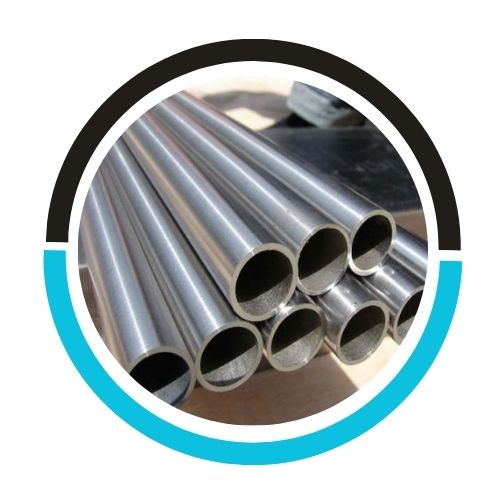
Stainless Steel 330 Pipe uses are as varied as the sectors they support, led mainly by the aerospace, railway, construction and automotive sectors along with petrochemical, nuclear, medical, Oil & Gas, Chemical, Pharmaceutical, Food & Beverage, Nuclear, Thermal Power plants, Paper and Pulp, marine and mining, etc.
YesStainless Steel 330 pipes can be recycled. Stainless steel is a material with excellent recyclability, and Stainless Steel 330 is no different. The recycling procedure entails gathering used Stainless Steel 330 pipes, melting them, and reshaping the material into new stainless steel products. Recycling Stainless Steel 330 pipes contributes to conserving natural resources, lowers energy usage, and cuts down on waste directed to landfills. Furthermore, stainless steel retains its characteristics throughout recycling, rendering it endlessly recyclable without any decline in quality, thereby supporting sustainable and environmentally responsible practices.
Stainless Steel 330 pipes are suitable for structural applications in specific situations, especially in settings that demand strong resistance to high temperatures and corrosion. That said, their application in structural work might be more restricted when compared to other stainless steel grades that are more precisely engineered for structural uses, like 304 or 316 stainless steel. Stainless Steel 330 is chiefly prized for its outstanding performance at high temperatures and its ability to withstand oxidation and carburization, which makes it a stronger fit for uses like industrial furnaces, heat exchangers, and thermal processing equipment. Although it may add to structural stability in certain instances, it is wise to consult a structural engineer to confirm that Stainless Steel 330 pipes satisfy the particular demands and loading conditions of the planned structural application.
Stainless Steel 330 pipes usually will not be drawn to magnets. In its annealed condition, stainless steel is generally non-magnetic, and the 330 grade is no exception. That said, the steel might display faint magnetic behavior depending on the processing and heat treatment it has been through. For Stainless Steel 330, which is engineered for high-temperature service, the non-magnetic characteristics are normally maintained even following exposure to elevated temperatures. As a result, Stainless Steel 330 pipes are typically non-magnetic or show only slight magnetic attraction, which makes them well suited for uses where magnetic properties are not wanted.
YesStainless Steel 330 pipes can be joined through standard welding methods including TIG (Tungsten Inert Gas) welding, MIG (Metal Inert Gas) welding, and SMAW (Shielded Metal Arc Welding). Nevertheless, it’s crucial to apply suitable welding procedures and filler materials that are compatible with Stainless Steel 330 in order to achieve quality welds and preserve the material’s characteristics, particularly its resistance to high temperatures and corrosion. It may be necessary to preheat and perform post-weld heat treatment to avoid distortion and keep the weld joint intact. In summary, when correct welding practices are followed, Stainless Steel 330 pipes can be successfully welded to satisfy particular application needs.
Email: sales@koasteel.nz