
Home > Stainless Steel Flanges > Stainless Steel 310s Flanges
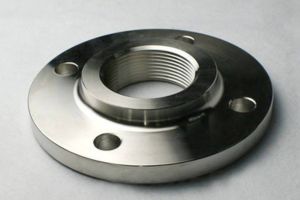
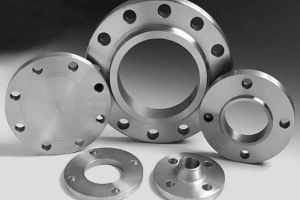
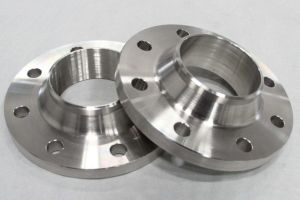
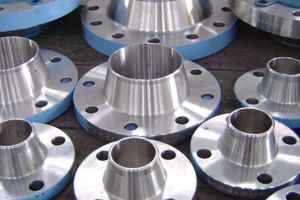
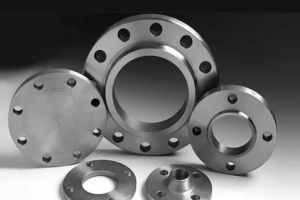
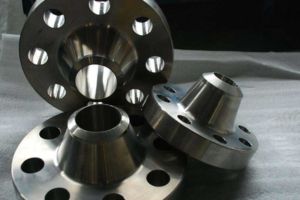
Stainless Steel 310S flangesare essential parts of piping systems in which the outstanding qualities of stainless steel are critical. Celebrated for its strong resistance to corrosion, oxidation, and elevated temperatures, Stainless Steel 310S delivers superb durability and long service life in demanding conditions. These flanges are made from an alloy consisting mainly of iron, chromium, and nickel, along with manganese and silicon added for improved stability and weldability. Thanks to its exceptional mechanical strength, remarkable toughness, and resistance to thermal cycling, Stainless Steel 310S flanges guarantee dependable performance in tough industrial uses, which makes them a favored option across numerous sectors, such as chemical processing, aerospace, and power generation.
| Standard | ASTM A182 / ASME SA182 |
| Dimensions | ANSI/ASME B16.5, B 16.47 A & B, B16.48, BS4504, BS 10, EN-1092, DIN |
| Standard | ANSI Flanges, ASME Flanges, BS Flanges, DIN Flanges, EN Flanges |
| Size | 1/2″ (15 NB) to 48″ (1200NB) |
| Class/Pressure | 150#, 300#, 600#, 900#, 1500#, 2500#, PN6, PN10, PN16, PN25, PN40, PN64 |
| Flange Face Type | Flate Face (FF), Raised Face (RF), Ring Type Joint (RTJ) |
| Grade | C | Mn | Si | P | S | Cr | Mo | Ni | N |
| SS 310S | 0.08 | 2.0 | 1.00 | 0.045 | 0.030 | 24.00 – 26.00 | 0.75 | 19.00 – 21.00 | 53.095 |
| Grade | Density | Tensile Strength | Yield Strength (0.2%Offset) | Elongation |
| 310S | 7.9 g/cm3 | 515 | 205 | 40 |
At Koasteel, we take pride in being the largest supplier and manufacturer in the New Zealand, delivering innovative solutions for all your piping requirements. With advanced production facilities strategically situated in the New Zealand, we maintain an extensive inventory of more than 25,000 tons of top-quality materials kept in stock and ready to ship.
Reach out to us for a fast quote tailored to your requirement.
We supply these Stainless Steel 310S Flanges in accordance with DIN, ISO, JIS or ANSI Standard.
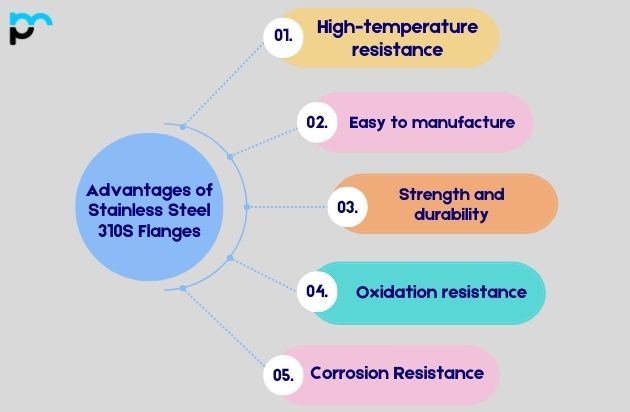
High-temperature resistance: 310S stainless steel is designed to endure elevated temperatures, which makes it well suited for use in sectors like aerospace, chemical processing and energy generation
Easy to manufacture: The stainless steel 310S can be readily fabricated and machined into intricate shapes and structures. This simplifies customization and guarantees that it satisfies particular application needs.
Strength and durability: The 310S stainless steel flange delivers an outstanding blend of strength and durability, securing system integrity and reliability under severe conditions
Oxidation Resistance: Stainless steel 310S offers strong resistance to high-temperature oxidation, guaranteeing lasting durability and reliability in high-temperature uses such as furnace components and heat exchangers
Corrosion resistance: These flanges exhibit excellent corrosion resistance, particularly in settings that contain sulfur dioxide, sulfuric acid, and other corrosive chemicals. This makes them appropriate for use in harsh or rough environments.
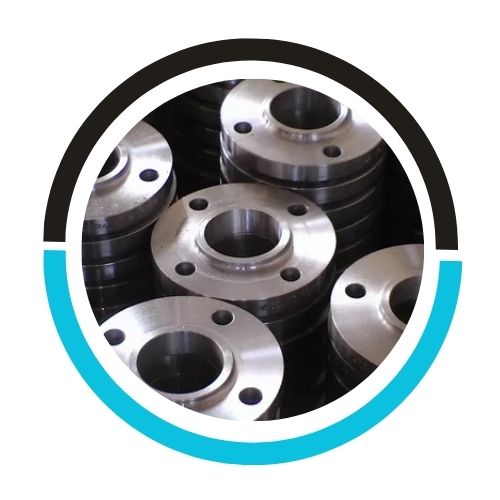
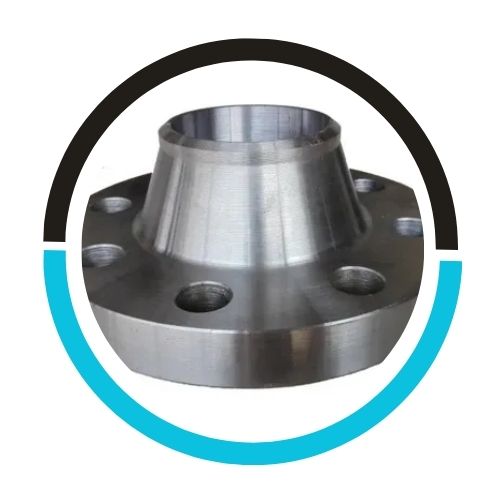
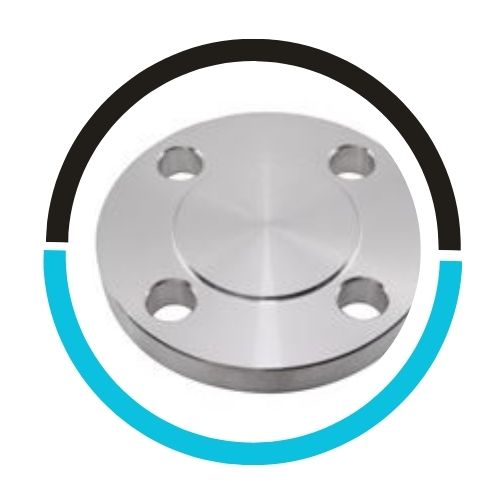
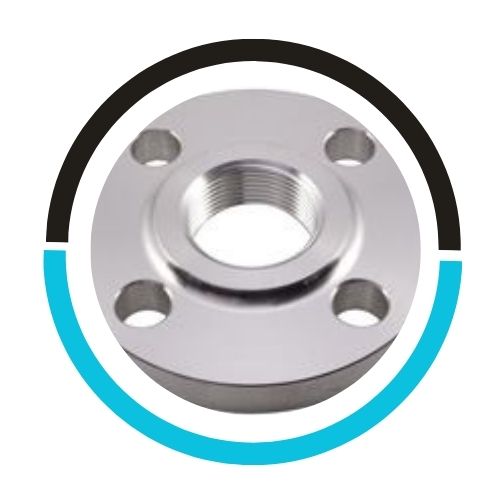
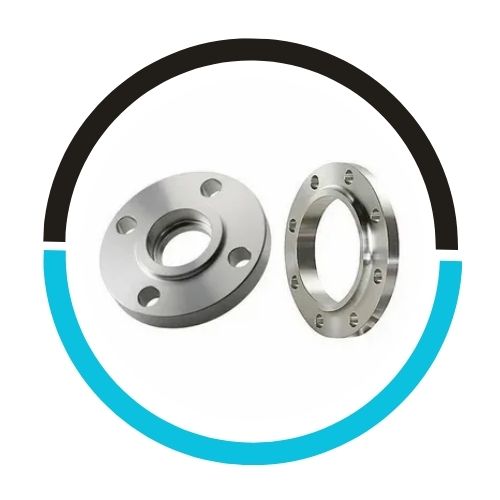
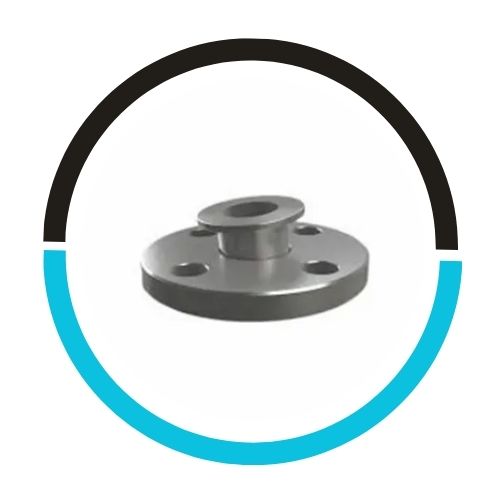
Stainless Steel 310S Flanges offer outstanding mechanical properties and withstand wear corrosion, and elevated temperatures, making them common across numerous industries. These flanges see broad use in the oil and gas, petrochemical, power generation, and aerospace sectors. They serve a key role in connecting equipment, valves, and piping networks. Thanks to their remarkable strength, toughness, and resistance to wear, they are ideal for uses subjected to harsh operating conditions, including high temperatures, high pressures, and corrosive surroundings.
High thermal properties: Stainless steel 310S flanges work exceptionally well for use in high-heat settings like furnaces and heating equipment. Because they resist oxidation and offer strong thermal characteristics, they are perfectly suited to these conditions.
Power performance: Stainless steel 310S flanges serve numerous roles in power plants, including boiler tubes, superheaters, steam turbines and more, where they must withstand elevated temperatures and pressures. The mechanical strength they maintain at high temperatures is essential in these settings.
Oil and Gas: Within the oil and gas sector, stainless steel 310S flanges are employed in pipelines, refineries and offshore platforms that face demanding conditions and high temperatures. Corrosive qualities like sulfidation resistance make them appropriate for these uses.
Chemical: The chemical industry frequently relies on stainless steel 310S flanges because they withstand acids, alkalis and other corrosive substances. Resisting corrosion is essential when these are used in reactors, vessels and pipeline systems.
Temperature and Pressure Analysis: Identify the temperature and pressure conditions that the flanges will face in your application. Stainless steel 310S is recognized for its strength at high temperatures, which makes it a good fit for environments where high heat prevails. Verify that the flange you select has the appropriate pressure and temperature rating to match your requirements.
Standards and Specifications: Make sure the stainless steel 310S flanges you pick comply with applicable industry standards and specifications, including ASTM, ASME, ANSI, or DIN. Doing so guarantees that the flanges satisfy quality and performance criteria.
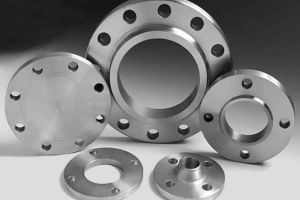
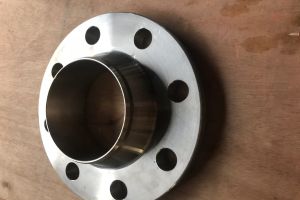
Flange Type: Several flange types exist, including weld neck, slip-on, socket weld, blind, and lap joint. Select the flange type that best matches your application’s installation method, available space, and sealing needs.
Size and Dimensions: Determine the size and thickness of the flange needed for your piping system or equipment. Since flanges are available in numerous sizes and pressure ratings, pick one that aligns with your piping system’s specifications.
Corrosion Resistance: Stainless steel 310S offers excellent corrosion resistance, particularly in oxidizing conditions. Take into account the corrosive materials present in your process, such as acids, alkalis, or chlorides, and confirm that the flanges provide the required corrosion resistance.
Yes,Because of their austenitic composition, Stainless Steel 310S flanges can be welded. They offer good weldability with standard welding techniques including TIG (Tungsten Inert Gas), MIG (Metal Inert Gas), and SMAW (Shielded Metal Arc Welding), which makes them well-suited to a range of fabrication and assembly operations.
Stainless Steel 310S flanges typically call for very little upkeep. Periodic checks for corrosion signs, particularly in demanding environments, along with cleaning using gentle detergents and non-abrasive materials, are enough. Maintain proper sealing integrity and deal with any surface contamination quickly to preserve performance and durability.
Yes,Stainless Steel 310S flanges are eco-friendly. They can be recycled, which lowers the need for new raw materials. Their resistance to corrosion reduces the discharge of harmful substances into the environment. Furthermore, their durability and long lifespan cut down on the need for frequent replacements, further decreasing environmental impact.
When installing Stainless Steel 310S flanges, make sure the alignment is correct and the gasket is compatible. Tighten bolts uniformly to avoid uneven stress distribution. Check flange faces for damage or contamination, and apply appropriate sealing materials. Adhere to industry standards and guidelines for correct installation methods to achieve leak-free and dependable connections.
Mail: sales@koasteel.nz