
Home > Stainless Steel Flanges > Stainless Steel 310 Flanges
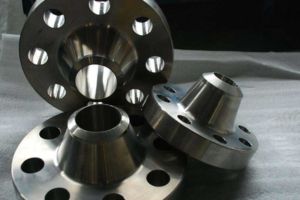
Stainless Steel 310 flanges are essential parts of piping systems, valued for their outstanding mechanical properties and resistance to corrosion. Made up mainly of iron, chromium, and nickel, Stainless Steel 310 offers excellent strength, durability, and resistance to oxidation and elevated temperatures. Its elevated chromium and nickel content help deliver its notable performance in demanding environments, making it a perfect selection for applications that call for reliability and long service life. Furthermore, the alloy’s natural adaptability enables it to endure a broad spectrum of corrosive materials, further boosting its fitness for varied industrial settings.
| Standard | ASTM A182 / ASME SA182 |
| Dimensions | ANSI/ASME B16.5, B 16.47 A & B, B16.48, BS4504, BS 10, EN-1092, DIN |
| Standard | ANSI Flanges, ASME Flanges, BS Flanges, DIN Flanges, EN Flanges |
| Size | 1/2″ (15 NB) to 48″ (1200NB) |
| Class/Pressure | 150#, 300#, 600#, 900#, 1500#, 2500#, PN6, PN10, PN16, PN25, PN40, PN64 |
| Flange Face Type | Flate Face (FF), Raised Face (RF), Ring Type Joint (RTJ) |
| Grade | Density | Tensile Strength | Yield Strength (0.2%Offset) | Elongation |
| 310 | 7.9 g/cm3 | Psi – 75000 , MPa – 515 | Psi – 30000 , MPa – 205 | 40 % |
At Koasteel, we take pride in being the largest supplier and manufacturer in the New Zealand, delivering advanced solutions for all your piping requirements. With cutting-edge production facilities strategically situated in the New Zealand, we hold an extensive stock of more than 25,000 tons of top-quality materials readily on hand.
Reach out to us for a fast quote tailored to your requirement.
We supply these Stainless Steel 310 Flanges in compliance with DIN, ISO, JIS or ANSI Standard.
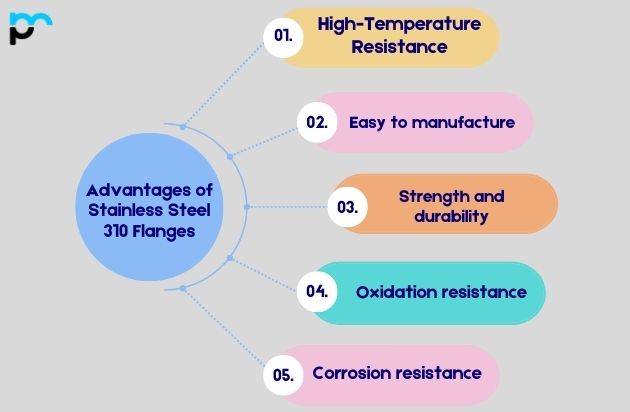
High-Temperature Resistance:Stainless steel 310 is purpose-built to endure elevated temperatures, which makes it well suited for chemical processing, furnace components and heat treatment uses.
Easy to manufacture: 310 stainless steel welds and assembles readily, simplifying the fabrication of intricately shaped structures while cutting production time and expense.
Strength and durability: Stainless steel 310 retains outstanding strength and toughness even at high temperatures, safeguarding structural integrity and longevity under challenging operating conditions
Oxidation resistance: Stainless steel 310 features high amounts of chromium and nickel, granting it remarkable resistance to high-temperature oxidation, and delivering extended flange life and dependability in high-temperature applications in
Corrosion resistance: These flanges demonstrate excellent strength across a range of environments, including weathering and shrinkage, making them appropriate for use in harsh corrosion conditions in
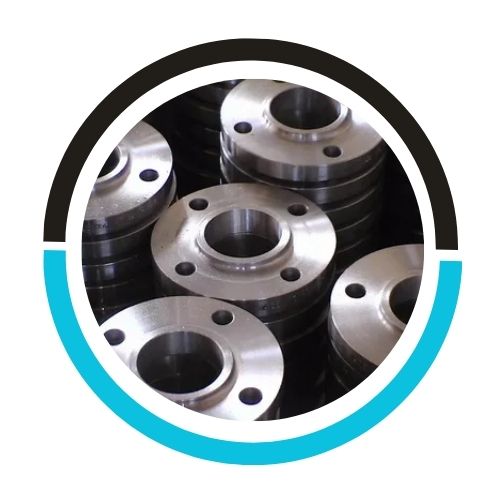
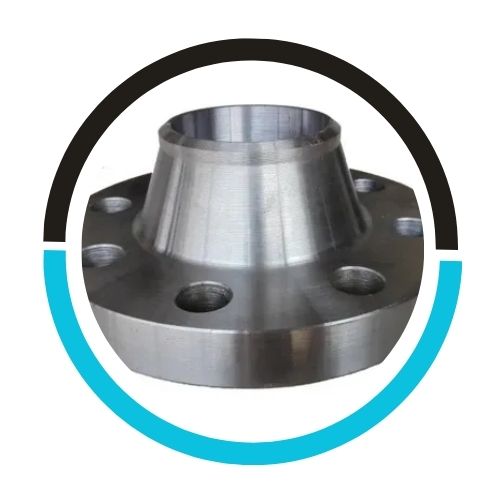
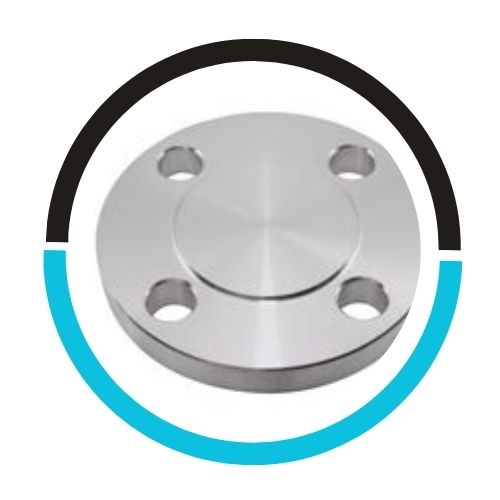
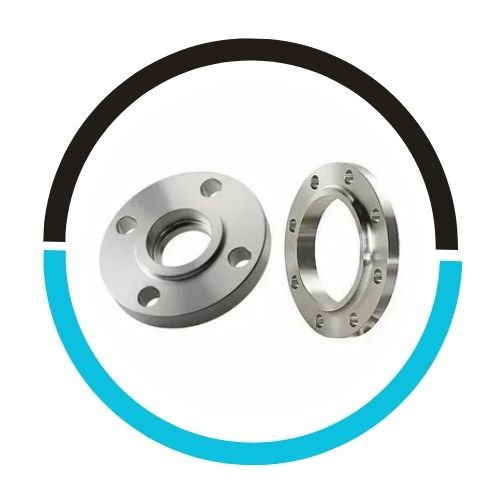
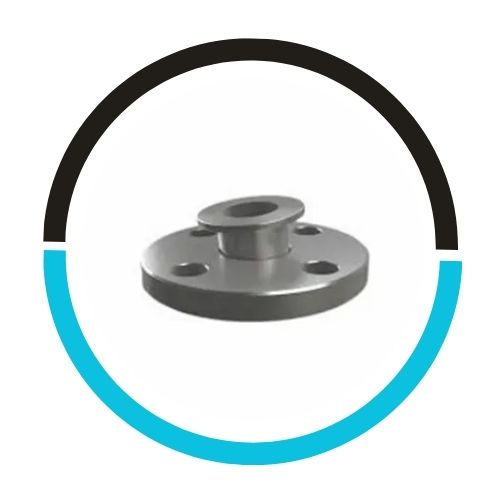
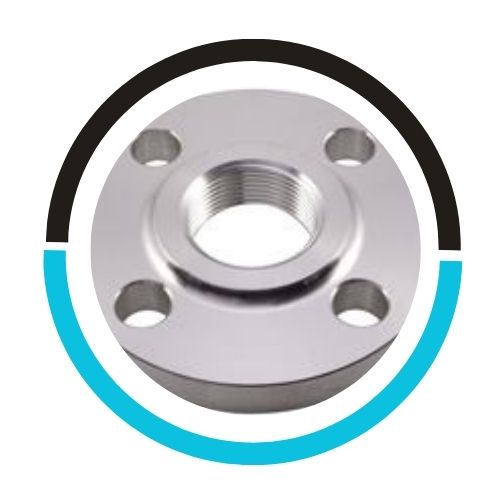
Stainless Steel 310 Flanges offer outstanding mechanical properties and withstand wear, corrosion, and elevated temperatures, making them commonly employed across numerous industries. These flanges see extensive use in the oil and gas, petrochemical, power generation, and aerospace sectors. They serve a key role in connecting equipment, valves, and piping systems. Their remarkable strength, toughness, and wear resistance make them ideal for uses subjected to demanding operating conditions, including high temperatures, high pressures, and corrosive environments.
High-Temperature Applications: Stainless steel 310 flanges are built to endure elevated temperatures, which makes them appropriate for use in settings such as furnaces, heat treatments and heating plants in
Power generation: Stainless steel 310 flanges serve in boiler systems, steam turbines, and additional components within power plants that experience high temperatures and hot climates
Oil and Gas Industry: Flanges are essential parts of pipelines used to transport oil and gas. In this industry, stainless steel 310 flanges are favored for their corrosion resistance and high-temperature resistance, safeguarding the integrity and safety of the piping system.
Chemical Applications: The corrosion resistance of 310 stainless steel makes it well suited for chemical industry applications where exposure to corrosive chemicals or the environment may occur
Material range: Stainless steel 310 is a high-temperature austenitic stainless steel recognized for its corrosion resistance and strong thermal characteristics. Confirm that the flanges are manufactured from top-grade SS 310 material to guarantee performance in high-temperature and corrosive environments.
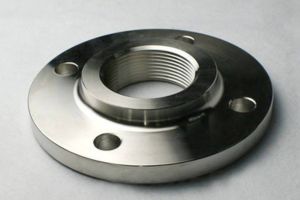
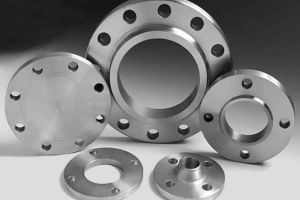
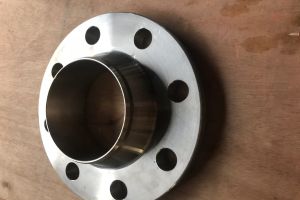
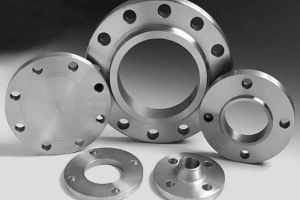
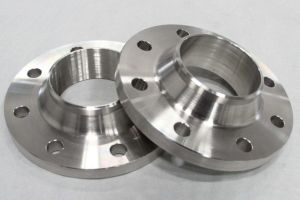
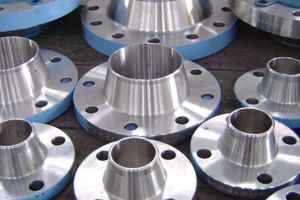
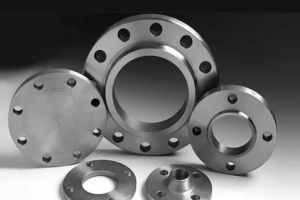
Types of flanges: Numerous flange types are offered, including weld neck, slip-on, blind, socket weld and threaded flange. Weigh aspects like ease of installation, maintenance, and design when selecting the flange type that best fits your application’s requirements.
Size and Design: Flanges differ in thickness and thickness to suit various pipes. Measure the pipe size and pick flanges that align with the dimensions of your pipe system. Confirm that the flange and pipe design comply (e.g., ANSI B16.5, ANSI B16.47).
Pressure and Temperature Analysis: Identify the pressure and temperature conditions in which the flanges will function. Stainless steel 310 works well for high-temperature applications, but verify that the flange’s pressure and temperature align with your system’s requirements.
Yes,Stainless steel 310 flanges can be welded thanks to their austenitic structure, which allows them to be joined using standard welding methods like shielded metal arc welding (SMAW), gas tungsten arc welding (GTAW), and gas metal arc welding (GMAW). That said, heat treatment after welding might be required to preserve corrosion resistance.
Stainless steel 310 flanges are typically not advised for hygienic and sanitary uses because they contain more carbon than austenitic grades such as 304 or 316. This elevated carbon content can result in sensitization and possible corrosion problems in sanitary settings.
Yes,Stainless steel 310 flanges are recyclable once they’ve been used. Stainless steel offers excellent recyclability, and the recycling procedure can recover a large amount of the original material while preserving its characteristics. Recycling stainless steel supports resource conservation and lessens environmental impact by cutting down on the demand for virgin materials.
Stainless steel 310 flanges are generally not advised for structural uses because of their elevated carbon content, which can result in decreased ductility and toughness relative to other stainless steel grades. In structural uses, stainless steel grades with lower carbon such as 304 or 316 are more frequently employed.
Mail: sales@koasteel.nz