
Home > Stainless Steel > Stainless Steel 309S Pipe
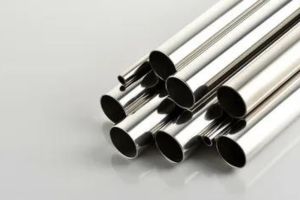
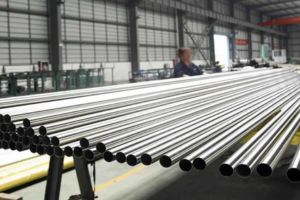
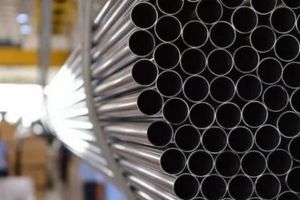
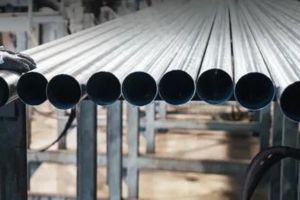
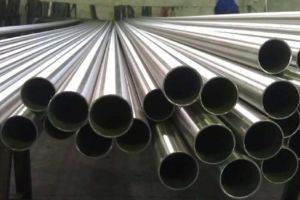
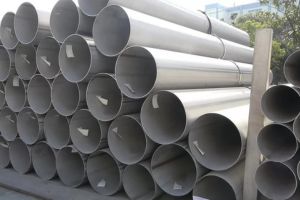
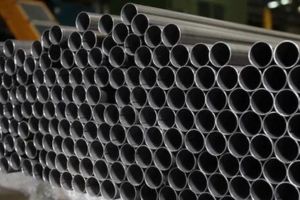
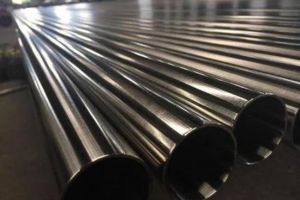
Stainless Steel 309S Pipeis a rust-proof, heat-tolerant alloy composed chiefly of iron, chromium, and nickel. The “S” in 309S denotes its fitness for high-temperature uses. This austenitic stainless steel sees frequent use across industries such as petrochemical, chemical, and heat treatment thanks to its outstanding resistance to oxidation and corrosion under elevated temperatures. It is commonly applied in piping systems that carry corrosive fluids or in settings with high temperatures.
|
Dimensions |
: |
ASTM, ASME and API |
|
Standard |
: |
ASTM A312 / ASME SA312 |
|
Size |
: |
1/8″NB TO 30″NB IN |
|
Specialized in |
: |
Large Diameter Size |
|
Schedule |
: |
SCH20, SCH30, SCH40, STD, SCH80, XS, SCH60, SCH80, SCH120, SCH140, SCH160, XXS |
|
Form |
: |
Round, Square, Rectangular, Hydraulic Etc |
|
Type |
: |
Seamless / ERW / Welded / Fabricated / LSAW Pipes |
|
Length |
: |
Single Random, Double Random & Cut Length. |
|
End |
: |
Plain End, Beveled End, Threaded |
|
Grade |
Ni |
Mn |
P |
C |
S |
Si |
Cr |
Fe |
|
|
309S |
min. |
12.0 |
– |
– |
0.04 |
– |
– |
22.0 |
58.0 |
|
max. |
15.0 |
2.0 |
0.045 |
0.10 |
0.03 |
0.75 |
24.0 |
63.0 |
|
|
Grade |
Tensile Strength (MPa) min |
Elongation (% in 50mm) min |
Yield Strength 0.2% Proof (MPa) min |
Hardness |
|
|
Rockwell B (HR B) max |
Brinell (HB) max |
||||
|
309S |
515 |
40 |
205 |
95 |
217 |
At Koasteel, we’re proud to be the largest supplier and manufacturer in the New Zealand, delivering advanced solutions for every piping requirement you have. With cutting-edge production facilities strategically positioned across the New Zealand, we maintain an extensive stock of more than 25,000 tons of top-quality materials ready and available on hand.
Reach out to us for a fast quote tailored to your needs.
We provide these Stainless Steel 309S Pipe in accordance with DIN, ISO, JIS or ANSI Standard.
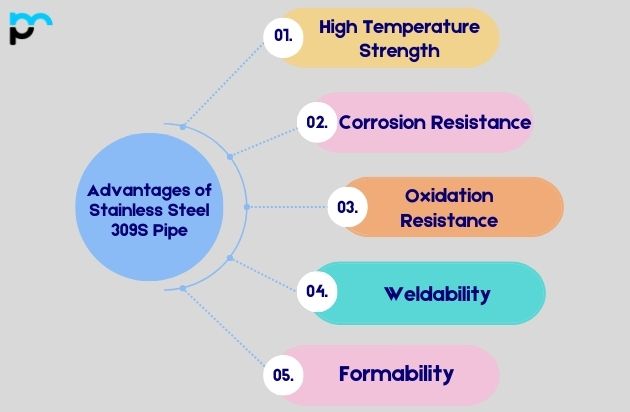
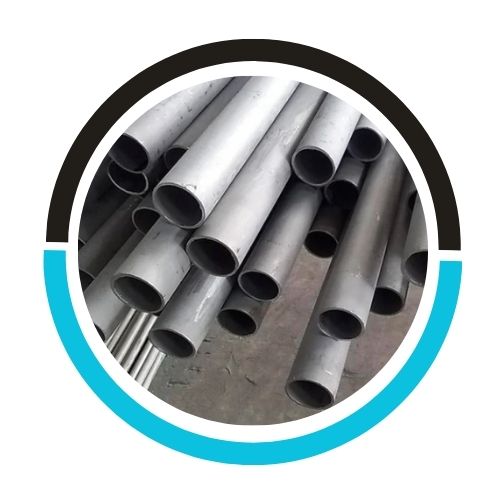
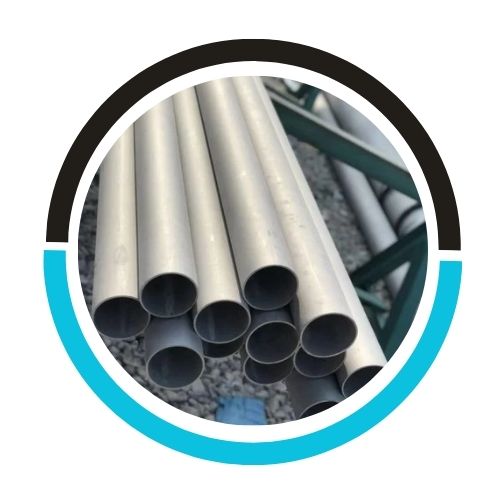
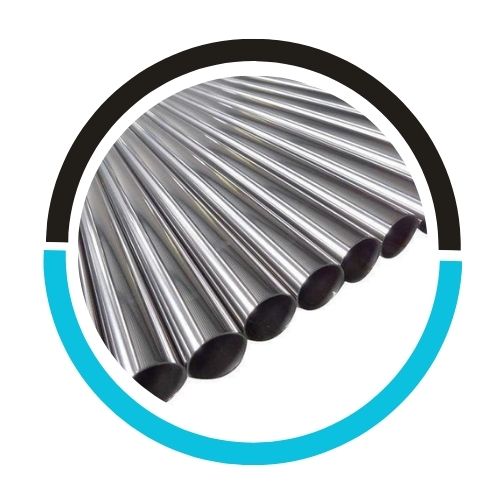
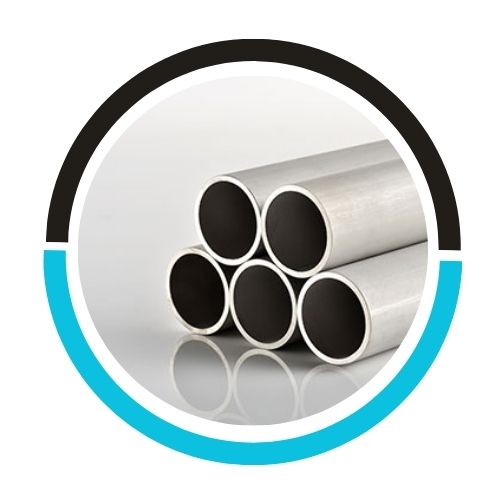
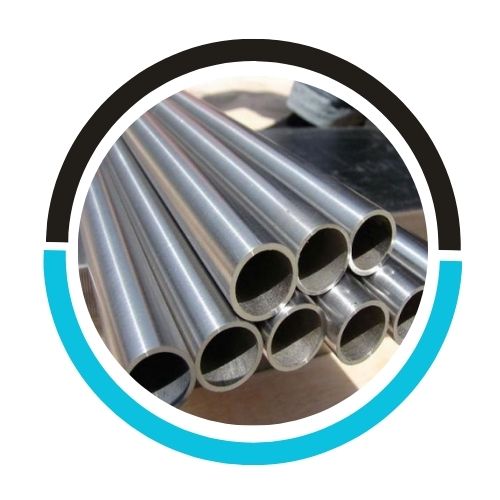
Stainless Steel 309S Pipe uses are as varied as the sectors they cater to, led chiefly by the aerospace, railway, construction and automotive sectors along with petrochemical, nuclear, medical, Oil & Gas, Chemical, Pharmaceutical, Food & Beverage, Nuclear, Thermal Power plants, Paper and Pulp, marine and mining, etc.
Stainless Steel 309S Pipesare extremely resistant to rust and corrosion thanks to their chromium content, which creates a protective oxide layer on the surface. This oxide layer functions as a barrier, stopping corrosion in most environments. That said, under certain extreme conditions or extended contact with corrosive agents, localized corrosion may occur. Routine maintenance and careful handling can greatly prolong the service life of 309S pipes without rusting.
Keeping stainless steel 309S pipes in good condition requires periodic cleaning with a gentle detergent and water to eliminate contaminants on the surface. Steer clear of harsh cleaners or steel wool, since these can leave scratches on the surface. It is essential to routinely check for indications of corrosion, leaks, or damage, and any problems that are found should be repaired quickly. Furthermore, providing adequate support and correct alignment when installing them, along with shielding them from harsh chemicals or environments, can help extend the service life of the pipes.
YesStainless Steel 309S pipes, meanwhile, can be joined through standard welding methods such as TIG, MIG, and SMAW. That said, it’s essential to apply the right procedures and filler metals suited for austenitic stainless steels in order to preserve corrosion resistance and mechanical properties. To avoid sensitization and keep the weld joint sound, preheating and post-weld heat treatment might be required.
Stainless Steel 309S pipes are dimensioned according to their outer diameter (OD) and wall thickness, typically given in millimeters or inches. Standard pipe dimensions span from small diameters appropriate for residential plumbing to larger diameters intended for industrial uses. This sizing follows various international standards including ASTM, ANSI, and DIN. The wall thickness is denoted by schedule numbers, where higher numbers signify thicker walls. Furthermore, custom dimensions can be manufactured to meet particular project needs.