
Home > Stainless Steel Flanges >302 Stainless Steel Flanges
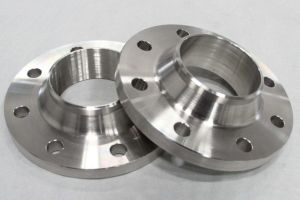
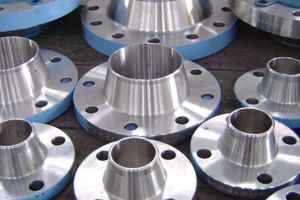
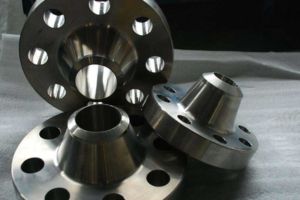
Stainless Steel 302 flangesemerge as essential components within a wide range of piping systems, praised for their impressive mechanical properties and resistance to corrosion. Made from Stainless Steel 302, this version is valued for its outstanding combination of strength, durability, and corrosion-resistant characteristics. Featuring a composition abundant in chromium and nickel, Stainless Steel 302 demonstrates remarkable durability against oxidation and corrosion in a variety of environments, rendering it an ideal choice for uses that require toughness against harsh conditions. Furthermore, its alloying elements enhance its remarkable mechanical qualities, including high tensile strength, excellent formability, and abrasion resistance. To conclude, Stainless Steel 302 flanges serve as reliable components throughout industrial fields, guaranteeing dependable performance and longevity in challenging operating environments.
| Size Chart | 1/2″ (15 NB) to 48″ (1200NB) DN10~DN5000 |
|---|---|
| Standards | API7S-15, API7S-43, API605, ANSI/ASME B16.5, B16.47 A & B, B16.48, ASME, BS, DIN, EN, BS4504, BS 10, EN-1092, DIN, ANSI, GOST Flange, ASME/ANSI B16.5/16.36/16.47A/16.47B, MSS S44, ISO70051, JISB2220, BS1560-3.1, EN1092 |
| Pressure Rating ANSI | 600 LBS, 900 LBS, 150 LBS, 2500 LBS, 300 LBS, 1500 LBS |
| Pressure Calculation in DIN | 16Bar 6Bar 25Bar 40Bar 10Bar / PN10 PN16 PN6 PN25 PN64 PN40 |
| JIS | 5K, 10 K, 16 K 20 K, 30 K, 40 K, 63 K |
| UNI | 6Bar 10Bar 16Bar 25Bar 40Bar |
| EN | 6Bar 10Bar 16Bar 25Bar 40Bar |
| Coating | Anti-rust Paint, Zinc Plated,Oil Black Paint, Cold and Hot Dip Yellow Transparent |
| Most common types | Forged / Threaded / Screwed / Plate |
| Test Certificates | EN 10204/3.1B Raw Materials Certificate 100% Radiography Test Report Third Party Inspection Report, etc |
| Production technique |
|
| Connect Type/ Flange Face Type | Ring Type Joint (RTJ), Flat Face (FF), Large Male-Female (LMF), Raised Face (RF), Lap-Joint Face (LJF), Small Male-Female (SMF), Small Tongue, Large Tongue & Groove, Groove |
| Special design |
As per your drawing AS, ANSI, BS, DIN and JIS |
| Test | Hydrostatic testing machine, X-ray detector, Direct-reading Spectrograph, UI trasonic flaw detector, Magnetic particle detector |
| Equipment | Bending machine, Pushing Machine,Press machine, electric bevelling machine, Sand-blasting machine etc |
| Origin | Indian / West Europe / Japan / USA / Korean |
| Manufacturer of |
ANSI DIN, GOST, JIS, UNI, BS, AS2129, AWWA, EN, SABS, NFE etc.
|
| Uses & application |
|
| Material Test Certificates (MTC) as per EN 10204 3.1 and EN 10204 3.2, Test Certificates certifying NACE MR0103, NACE MR0175 | |
| Carbon | 0.15 max |
| Chromium | 16 – 18 |
| Iron | 0.4 max |
| Manganese | 2 max |
| Nickel | 6 – 8 |
| Phosphorus | 0.045 max |
| Silicon | 1 max |
| Sulphur | 0.03 max |
| Density | Melting Point | Tensile Strength | Yield Strength (0.2%Offset) | Elongation |
| 8.0 g/cm3 | 1400 °C (2550 °F) | Psi – 75000 , MPa – 515 | Psi – 30000 , MPa – 205 | 35 % |
At Koasteel, we take pride in being the largest supplier and manufacturer in the New Zealand, providing advanced solutions for all your piping requirements. With modern production facilities strategically situated in the New Zealand, we maintain an extensive inventory of more than 25,000 tons of top-quality materials readily on hand in stock.
Reach out to us for a fast quote tailored to your requirement.
We supply these Stainless Steel 302 Flanges in accordance with DIN, ISO, JIS or ANSI Standard.
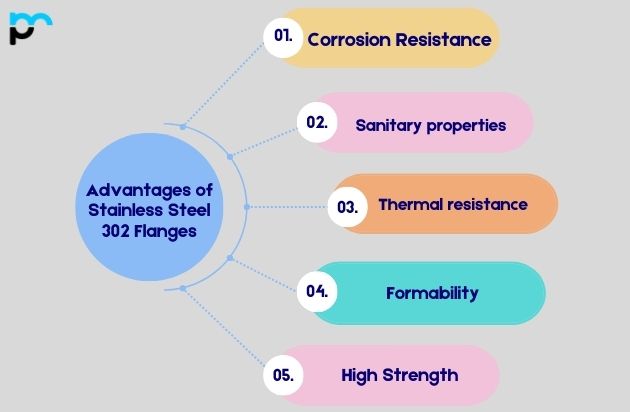
Corrosion resistance: Stainless Steel 302 offers outstanding resistance to corrosion, making it well-suited for environments where chemicals or moisture tend to reach high levels, delivering durability and reliability
Sanitary properties: Stainless steel 302 is nonporous and simple to clean, making it well-suited for industries that demand rigorous hygiene standards, such as food processing, pharmaceuticals and healthcare.
Thermal resistance: These flanges demonstrate remarkable thermal stability, retaining their performance even during extreme temperature swings and delivering consistent performance under operating conditions
Formability: Stainless Steel 302 is recognized for its malleability and formability, which enables straightforward fabrication and customization to meet specific job requirements, cutting manufacturing time and cost
High Strength: Stainless steel 302 flanges, with their excellent tensile strength and rigidity, deliver strong support in piping systems, able to endure high-pressure conditions without sacrificing structural integrity
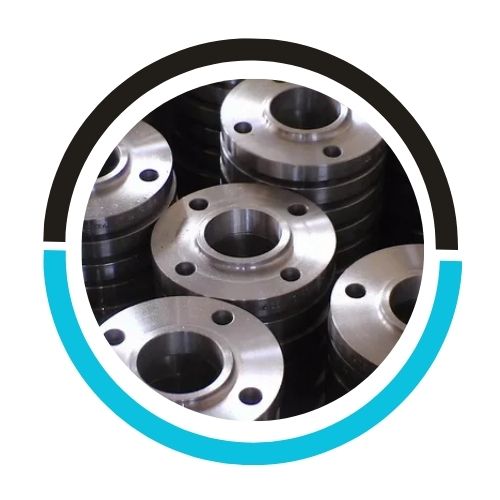
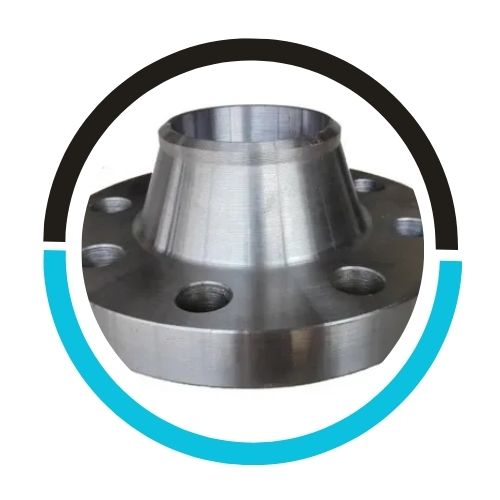
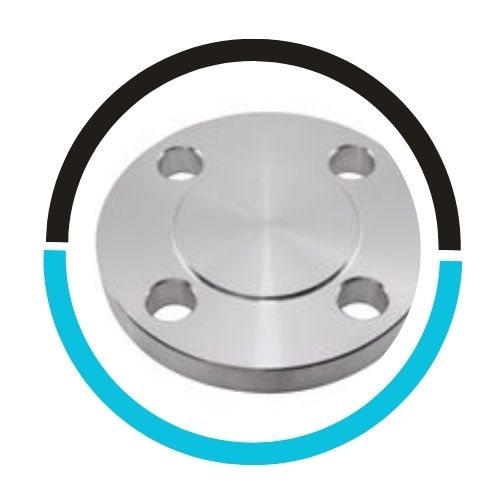
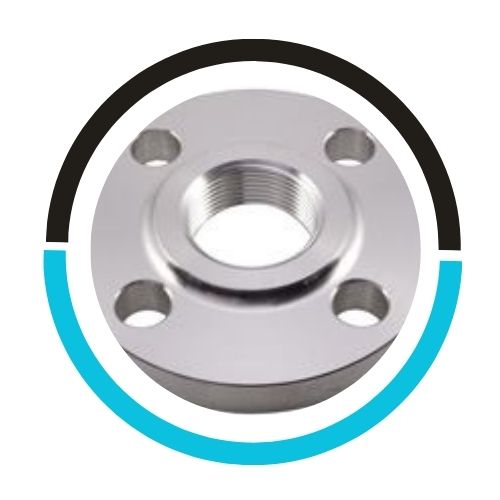
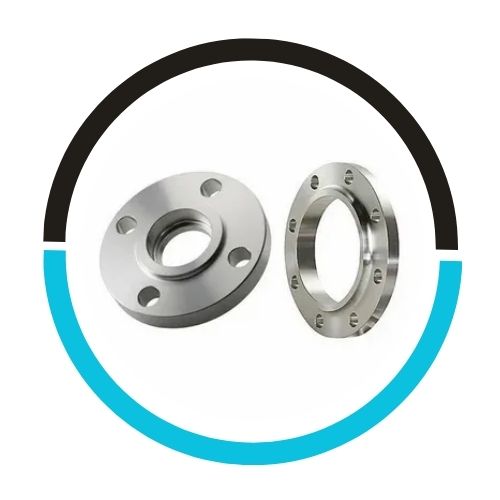
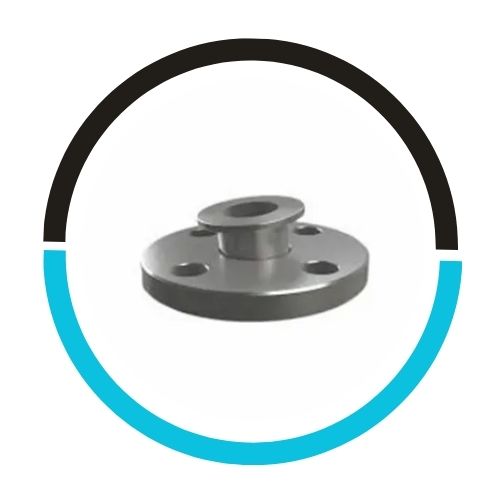
Stainless Steel 302 Flanges offer outstanding mechanical properties and hold up well against wear corrosion, and elevated temperatures, making them a common choice across many industries. You will find these flanges frequently used in the oil and gas, petrochemical, power generation, and aerospace sectors. They serve a key role in connecting equipment, valves, and piping networks. Thanks to their remarkable strength, durability, and resistance to wear, they are ideally suited for uses that face harsh operating conditions, including high temperatures, elevated pressures, and corrosive surroundings.
Chemical applications: Stainless steel 302 flanges serve in chemical plants to connect piping and valves, in settings that demand resistance to chemical corrosion and elevated temperatures
Chemical: Stainless steel 302 flanges are employed to link equipment and piping systems within the chemistry field, guaranteeing product integrity, cleanliness, and adherence to strict hygiene regulations
Food and Beverage: Stainless steel 302 flanges are favored across the food, manufacturing, and beverage industries thanks to their hygienic characteristics, resistance to acid and alkaline corrosion, and conformity with food safety standards
Oil & Gas Industry: These flanges serve a vital function in oil refineries, offshore platforms, and pipelines, delivering dependable connections in demanding environments owing to harsh chemicals and extreme transport conditions because of the use of
Specify operating requirements: Detail the operating parameters, such as pressure, temperature, water type, and environmental influences like corrosive substances or severe weather conditions.
Facing and Surface Finish: Flange faces (e.g., raised faces, flat faces, ring-type joints) and surface finishes (e.g., smooth, serrated) according to sealing needs, gasket compatibility, and flange mating surfaces. Make a selection
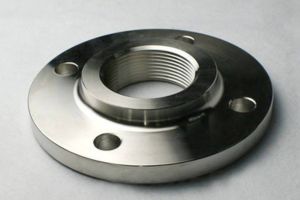
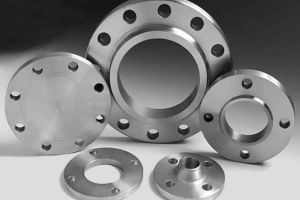
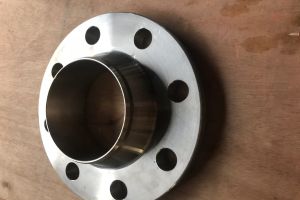
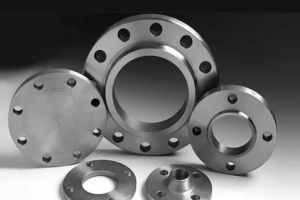
Flange Type and Size: Choose the suitable flange type (e.g., weld neck, slip-on, socket weld, threaded) according to piping system design, installation approach, and connection needs. Flange size, pressure-dependent pipe dimensions and operating pressure on -And establish the rating.
Materials: Assess whether stainless steel 302 fits your application in terms of corrosion resistance, heat resistance, and compatibility with water or airflow. Take into account any particular industry standards or regulations that might apply.
Yes,Stainless Steel 302 flanges can be welded. They demonstrate good weldability using standard welding methods including shielded metal arc welding (SMAW), gas tungsten arc welding (GTAW), and gas metal arc welding (GMAW). Correct welding procedures and techniques must be observed to preserve the material’s corrosion resistance and mechanical properties.
Yes,Stainless Steel 302 flanges can be prone to galvanic corrosion when they come into contact with dissimilar metals in electrolyte solutions. Adequate insulation or using compatible materials in contact with Stainless Steel 302 can reduce the risk of galvanic corrosion in piping systems.
Yes,Stainless Steel 302 flanges are highly recyclable. They can be gathered, melted down, and repurposed to create new stainless steel products without degrading their qualities. Recycling Stainless Steel 302 supports sustainability initiatives, preserves resources, and lessens the environmental impact tied to raw material extraction and manufacturing.
Yes,Stainless Steel 302 flanges are suitable for structural uses that call for corrosion resistance, strength, and durability. They provide solid mechanical properties and can bear structural loads across a range of environments, which makes them appropriate for uses like building construction, bridges, and architectural elements.
Email: sales@koasteel.nz