Hastelloy Fasteners

Home > Hastelloy > Hastelloy Fasteners

Hastelloy Fasteners Manufacturer and Supplier in Auckland, New Zealand.

Hastelloy Fasteners in Auckland, Hastelloy Fasteners Supplier in Christchurch, Hastelloy Plain Washers Supplier in New Zealand, Hastelloy Fasteners Price List in Auckland, New Zealand

Table of Contents

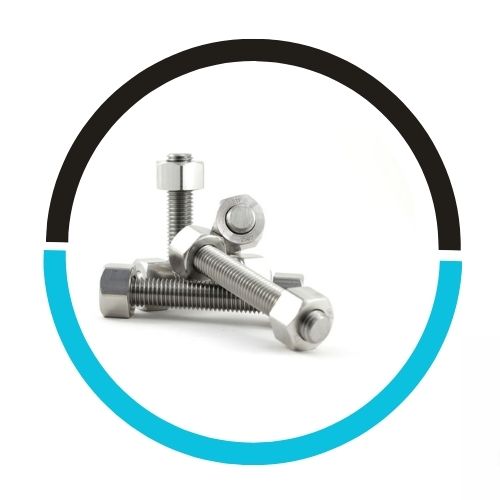
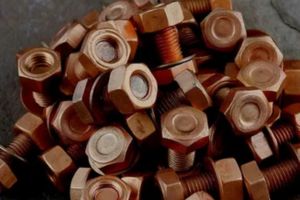
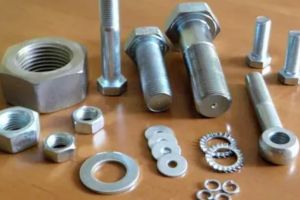
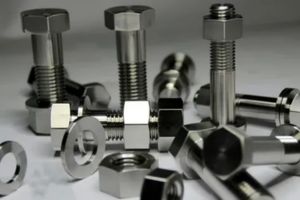
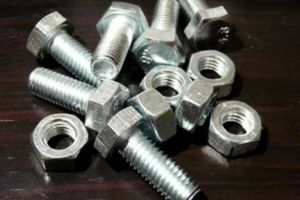
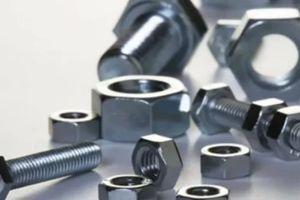
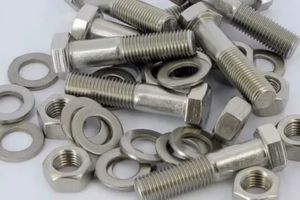
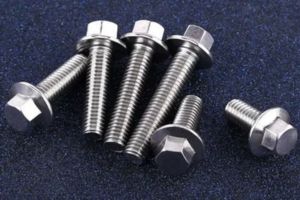
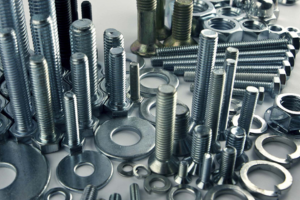
Hastelloy fastenersare hardware parts like bolts, screws, nuts, washers, and studs manufactured from Hastelloy, a family of nickel-based alloys recognized for their outstanding corrosion resistance and high strength in extreme conditions. Hastelloy alloys consist mainly of nickel, chromium, molybdenum, and additional elements like cobalt, iron, and tungsten, varying by the particular grade.

Hastelloy Fasteners Specifications

Specifications ASTM B574 / ASME SB574
Fasteners size Bolt / Screw Size : M3 – M56 | 3/6″ to 2″ | Custom Sizes Nuts Size : M3 – M56 | 3/6″ to 2″ | Custom Sizes Washers Size : M3 – M56 | 3/6″ to 2″ | Custom Sizes Machine Screws Size : M1.6 – M12 Self Tapping Screw Size : No.2 – No. 14
Fasteners Length 3 mm to 200 mm
Fastener Threads UNF, BSW, BSF, METRIC, UNC or as required
Standard of High Nickel Alloy Fasteners DIN : DIN 934, DIN 931, DIN 970, DIN 933 UTS : UNEF, NPT, UNC, UNS, UNF, NPTF ISO : JIS standards, ISO 4033, ISO 4032, ANSI – American National Standards Institute ASME B18.5 ANSI B 28.2.4 1M as per defined in ASME B16.5 standard Stud Bolt length ANSI B 18.2.4 2M as per defined in ASME B18.2.2 Hex nuts
Dimensions DIN 931, 933, 934, 7991, 976, 125, ASME B18.2.1, B18.3
Surface Coating Ptfe Coated High Nickel Alloy Fasteners Phosphate Coating Teflon Coating Zinc Coating Hot Dipped Galvanizing Coating Cadmium Coating Xylon Coating
Fasteners Finishing High Nickel Alloy : Self-Colour, Passivated, Bright Zinc Plated (BZP), Hot Dip Galvanised (HDG), High Nickel Alloy, Sherardized, some special one like DACROMET Geometry and Mechanically Applied coating ,Dacroment, nickel plated, anodizing, plated zinc-nickel Zinc (blue, black, yellow, white), black oxide.

Hastelloy Fasteners Chemical Composition

Grade CMnSiCoSNiCrFeMoWVP
Hastelloy Fasteners0.010 max1.0 max0.08 max2.5 max0.03 maxBal14.5 – 16.54 – 715 – 173 – 4.50.35 max0.04 max

Hastelloy Fasteners Manufacturer and Supplier in Christchurch, Hastelloy Fasteners Price in Christchurch, New Zealand

Hastelloy Fasteners Mechanical Properties

Element DensityMelting PointTensile StrengthYield Strength (0.2%Offset)Elongation
Hastelloy Fasteners8.89 g/cm31370 °C (2500 °F)Psi – 1,15,000 , MPa – 790Psi – 52,000 , MPa – 35540 %

Top Hastelloy Fasteners Manufacturing Company in Auckland

At Koasteel, we’re proud to be the largest supplier and manufacturer in the New Zealand, delivering advanced solutions for every one of your piping requirements. With cutting-edge manufacturing facilities strategically situated in the New Zealand, we maintain an extensive stock of more than 25,000 tons of top-quality materials on hand and ready to ship.

Hastelloy Fasteners Grades

Reach out to us for a fast quote tailored to your requirement.

We supply these Hastelloy Fasteners in accordance with DIN, ISO, JIS or ANSI Standard.
Hastelloy Alloy Screw Price In New Zealand, Hastelloy Fasteners Dealer In New Zealand, Hastelloy Alloy Self Drilling Screw Dealer In New Zealand, Hastelloy Alloy Fasteners Stockist in Auckland, New Zealand.

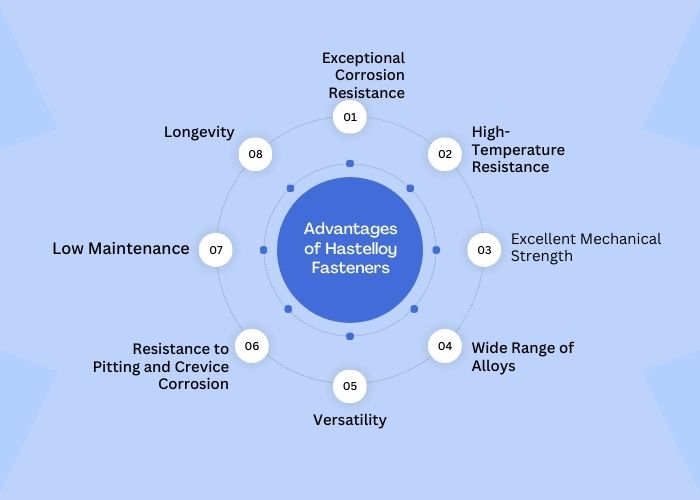
Advantages of Hastelloy Fasteners

Hastelloy Fasteners
  1. Exceptional Corrosion Resistance: Hastelloy fasteners provide outstanding corrosion resistance, including protection against aggressive chemicals, acids, alkaline solutions, and chloride ions.
  2. High-Temperature Resistance: Hastelloy fasteners retain their mechanical characteristics under high temperatures, which makes them well-suited for use in heat-intensive settings like petrochemical processing and aerospace.
  3. Excellent Mechanical Strength: Hastelloy fasteners deliver strong tensile strength and toughness, offering dependable fastening options in applications exposed to mechanical loads and stress.
  4. Wide Range of Alloys: Hastelloy alloys come in a range of compositions, each designed for particular applications, giving flexibility to choose the most appropriate alloy for the intended setting.
  5. Versatility: Hastelloy fasteners are applicable across many industries, such as chemical processing, oil and gas, aerospace, marine, pharmaceuticals, and beyond.
  6. Resistance to Pitting and Crevice Corrosion: Hastelloy alloys withstand pitting and crevice corrosion, making them appropriate for environments where corrosion may develop in localized spots.
  7. Low Maintenance: Hastelloy fasteners need little maintenance thanks to their corrosion resistance and durability, cutting down on downtime and maintenance expenses in industrial settings.
  8. Longevity: Hastelloy fasteners offer a long service life, even under harsh conditions, delivering dependable performance and longevity in critical applications.

Types of Hastelloy Fasteners

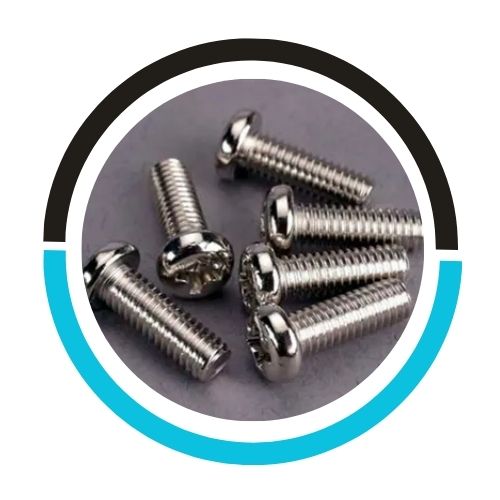
Machine-Screws in New Zealand
Machine Screws
Head-Screw in New Zealand
Head Screw
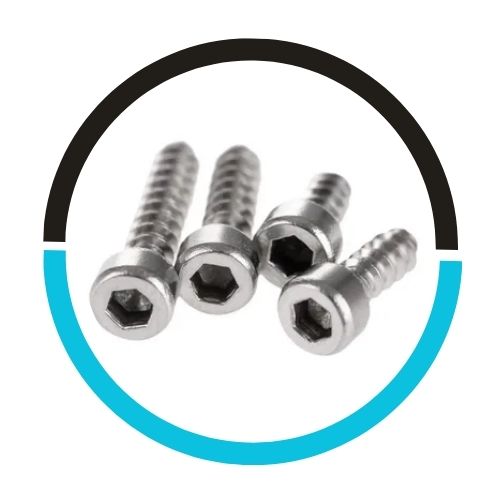
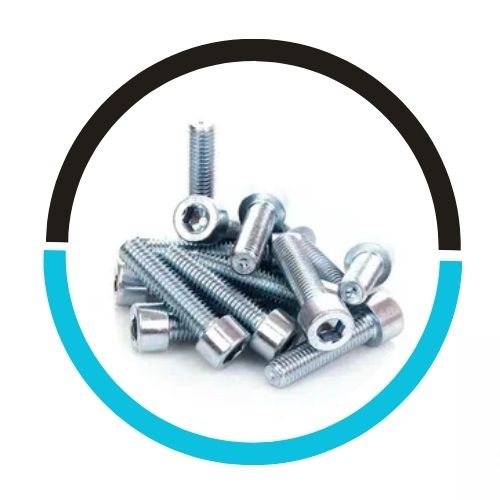
Socket-Head-Bolts in New Zealand
Socket Head Bolts
Washer in New Zealand
Washer
Socket-Weld-Flanges-1 in New Zealand
Socket Weld Flanges
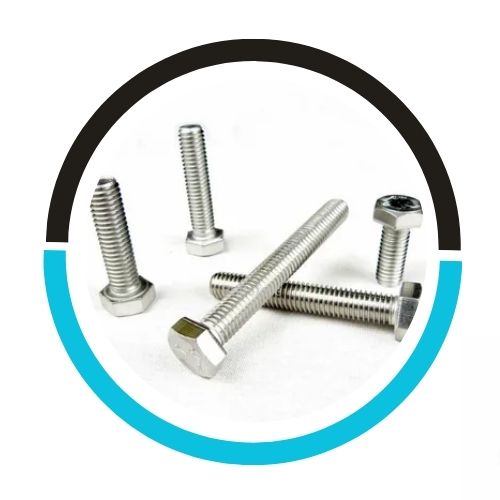
Hex-Bolt in New Zealand
Hex Bolt

Hastelloy Werkstoff Nr. 2.4819 Washers Dealer in New Zealand, Hastelloy Fasteners Manufacturer and Supplier in Christchurch, New Zealand

Hastelloy Fasteners Uses

Application Industry

Hastelloy fasteners play a vital role in numerous industrial applications owing to their outstanding corrosion resistance and high-strength characteristics. Frequently used across sectors like chemical processing, oil and gas, aerospace, marine, and pharmaceuticals, these fasteners are relied upon to endure demanding conditions. Within chemical processing plants, Hastelloy fasteners serve in equipment including reactors, vessels, and pipelines, where they resist corrosion caused by aggressive chemicals and acids.

Chemical Processing

Aviation Industry

Petro Chemical Industry

Oil and Gas Industry

  1. Chemical Processing: Hastelloy fasteners are extensively utilized in chemical processing facilities for equipment like reactors, vessels, pipelines, and valves, where they withstand corrosion caused by aggressive chemicals and acids.
  2. Oil and Gas Industry: Hastelloy fasteners are applied in offshore platforms, refineries, pipelines, and drilling equipment, where they resist corrosion from severe environments, such as seawater, hydrocarbons, and high-pressure settings.
  3. Aerospace: Hastelloy fasteners serve aerospace uses in aircraft engines, turbines, exhaust systems, and structural parts, delivering strong resistance to high temperatures and corrosion in extreme conditions.
  4. Marine Engineering: Hastelloy fasteners are applied in marine settings for shipbuilding, offshore structures, and desalination plants, where they tolerate corrosion from saltwater contact and rough weather conditions.
  5. Pharmaceutical Manufacturing: Hastelloy fasteners are used in pharmaceutical production equipment like reactors, mixers, and storage tanks, where cleanliness, corrosion resistance, and biocompatibility are vital.
  6. Power Generation: Hastelloy fasteners are deployed in power generation plants, including nuclear power stations, gas turbines, and steam turbines, for uses such as boiler assemblies, turbine components, and heat exchangers.
  7. Petrochemical Industry: Hastelloy fasteners are used in petrochemical facilities for equipment like heat exchangers, reactors, and distillation columns, where they endure corrosion from harsh chemicals and elevated temperatures.
  8. Food Processing: Hastelloy fasteners are used in food processing equipment like conveyors, mixers, and storage tanks, where hygiene, cleanliness, and corrosion resistance are essential demands.
  9. Medical and Pharmaceutical Equipment: Hastelloy fasteners are used in medical and pharmaceutical equipment, including surgical instruments, implants, and laboratory devices, where biocompatibility, corrosion resistance, and cleanliness are vital.
  10. Automotive Manufacturing: Hastelloy fasteners are deployed in automotive uses for parts such as exhaust, engine components, and fuel systems, offering corrosion resistance and strong high-temperature performance.

How to Choose the Right Hastelloy Fasteners

  1. Identify Application Requirements: Identify the working conditions—such as temperature, pressure, exposure to corrosion, mechanical loads, and other elements—that the fasteners will have to withstand.
  2. Select the Appropriate Hastelloy Alloy: Hastelloy fasteners come in a range of alloys, with each providing varying degrees of corrosion resistance, strength, and thermal stability. Select the alloy that most closely fits the needs of your application.
  3. Consider Fastener Type and Configuration: Decide which type of fasteners you require (bolts, screws, nuts, washers, etc.) along with their specifications (size, thread type, head style, etc.) according to the particular assembly needs and structural factors.
  4. Evaluate Environmental Factors: Take into account exposure to corrosive agents, including acids, alkalis, saltwater, and chemicals, in order to pick Hastelloy fasteners offering suitable corrosion resistance and durability.
  5. Assess Load Requirements: Assess the mechanical loads, stresses, and vibration levels the fasteners will encounter while in operation to confirm they possess the required strength, fatigue resistance, and reliability.
  6. Check Compatibility: Verify compatibility with the other materials in the assembly to avoid galvanic corrosion or other kinds of material deterioration. Think about applying isolation methods or compatible coatings where needed.
  7. Verify Compliance with Standards: Confirm that the chosen Hastelloy fasteners comply with applicable industry standards and specifications (e.g., ASTM, ASME) regarding quality, performance, and dimensional accuracy.
  8. Consider Cost: Weigh the cost of the fasteners against their performance and service life. Although Hastelloy fasteners may carry a higher upfront cost than other materials, they can lower long-term expenses by cutting maintenance and replacement costs in corrosive settings.
  9. Consult with Experts: If you require clarification on which Hastelloy fasteners best suit your application, seek advice from engineers, metallurgists, or fastener selection specialists to obtain expert guidance and recommendations.
  10. Review Supplier Reputation: Select a trustworthy supplier or manufacturer with a proven history of supplying high-quality Hastelloy fasteners and dependable customer support to guarantee product availability, consistency, and on-time delivery.

What types of Hastelloy alloys are used for fasteners?

Hastelloy fastenersare offered in a range of alloys, including Hastelloy C276, Hastelloy C22, Hastelloy B2, and Hastelloy X, providing varying degrees of corrosion resistance, strength, and temperature stability.

FAQ (Frequently Asked Questions)

Can Hastelloy fasteners be used in high-temperature applications?

Yes, Hastelloy fasteners retain their mechanical properties at high temperatures and are well-suited for use in high-temperature applications such as petrochemical processing, aerospace, and power generation.

Can Hastelloy fasteners be welded?

Hastelloy fastenerscan be joined through suitable welding methods and matching filler metals, guaranteeing sound joint strength and preserving resistance to corrosion.

Are Hastelloy fasteners resistant to corrosion?

Yes, Hastelloy fasteners show outstanding corrosion resistance, including protection against attack from acids, alkalis, chlorides, sulfides, and other corrosive chemicals, making them well-suited for harsh environments.

Post Enquiry

Fill out the form below, and we will be in touch shortly.