ASTM A193 B8M Stud Bolts Manufacturer Supplier & Exporter in Christchurch, New Zealand
Astm A193 B8 Cl2 Stud Bolts Price In New Zealand, Astm A193 Threaded Rod Dealer In New Zealand, B8 Cl2 Stud Bolts Exporter In Auckland, Ss Astm A193 Double Ended Stud Supplier In New Zealand, B8 Class 2 Stud Bolt Manufacturer In Christchurch, New Zealand.
Table of Contents
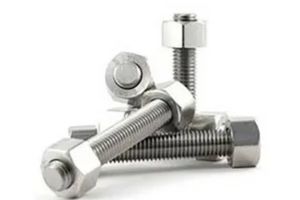
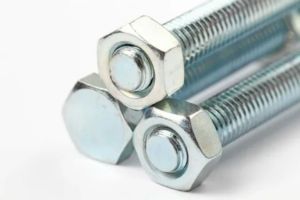
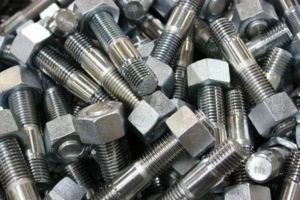
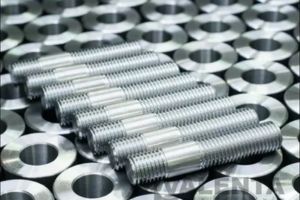
Our firm concentrates on supplying a wide variety of ASTM A193 B8 CL2 Stud Bolts, obtained from reliable vendors recognized for their proficiency in producing top-grade alloy steel products. These stud bolts serve an essential function in firmly securing various components, offered across an extensive selection of sizes, grades, and industry standards to satisfy differing customer requirements. Well-respected in fields like construction and engineering, our premium ASTM A193 B8 CL2 Stud Bolts are valued for their exceptional corrosion resistance and long-lasting performance. By employing specialized alloys and rigorous heat treatment methods, these stud bolts are designed to boost their strength and durability, guaranteeing dependable mechanical properties across their whole structure.
ASTM A193 B8 CL2 Stud Bolts Specifications
Material
Specification
Standards
Size
Length
ASTM A193 B8 CL2 StudBolt
IS
BS
ASTM
DIN, ISO, JIS, GB, IS, BS, ASTM
M 02 to M 160
3 mm to 200 mm
Mechanical Properties of ASTM A193 B8 CL2 Stud Bolts
Grade
Size
Tensile ksi, min
Yield, ksi, min
Elong, %, min
RA % min
B7
Up to 2-1/2
125
105
16
50
2-5/8 – 4
115
95
16
50
4-1/8 – 7
100
75
18
50
B8 Class 1
All
75
30
30
50
B8M Class 1
All
75
30
30
50
B8 Class 2
Up to 3/4
125
100
12
35
7/8 – 1
115
80
15
35
1-1/8 – 1-1/4
105
65
20
35
1-3/8 – 1-1/2
100
50
28
45
B8M Class 2
Up to 3/4
110
95
15
45
7/8 – 1
100
80
20
45
1-1/8 – 1-1/4
95
65
25
45
1-3/8 – 1-1/2
90
50
30
45
ASTM A193 B8 CL2 Stud Bolts Chemical Composition
Element
B7
B8
B8M
Carbon
0.37 – 0.49%
0.08% max
0.08% max
Manganese
0.65 – 1.10%
2.00% max
2.00% max
Phosphorus, max
0.035%
0.045%
0.045%
Sulfur, max
0.040%
0.030%
0.030%
Silicon
0.15 – 0.35%
1.00% max
1.00% max
Chromium
0.75 – 1.20%
18.0 – 20.0%
16.0 – 18.0%
Nickel
8.0 – 11.0%
10.0 – 14.0%
Molybdenum
0.15 – 0.25%
2.00 – 3.00%
Astm A193 Grade B8 Class 2 Stud Bolts Price In New Zealand, Astm A193 B8 Cl2 Tie Rod Dealer In Auckland, Astm A193 B8 Cl2 Tie Stud Bolts Supplier & Exporter In Auckland, New Zealand.
Top ASTM A193 B8 CL2 Stud Bolts Manufacturing Company in Auckland
At Koasteel, we take pride in being the largest supplier and manufacturer in the New Zealand, delivering advanced solutions for every one of your piping requirements. With cutting-edge production facilities strategically positioned in the New Zealand, we maintain an extensive inventory of more than 25,000 tons of high-quality materials kept ready in stock.
Reach out to us for a fast quote tailored to your requirement.
We supply these ASTM A193 B8 CL2 Stud Bolts in accordance with DIN, ISO, JIS or ANSI Standard.
Get the best price from ASTM A193 B8 CL2 Stud Bolts manufacturers & stockist in New Zealand, check Astm A193 B8 Tie Stud Bolts price per kg in Christchurch
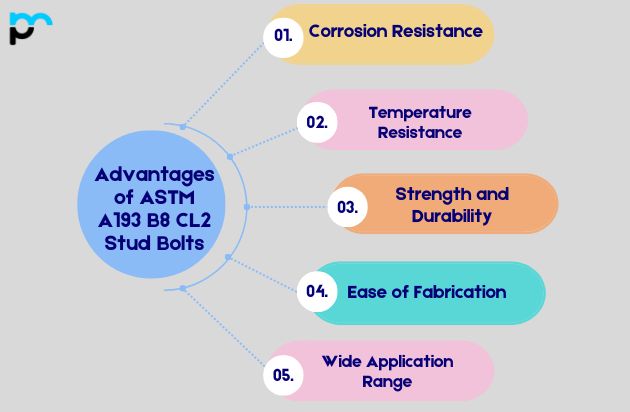
Advantages of ASTM A193 B8 CL2 Stud Bolts
Corrosion Resistance: The AISI 304 stainless steel from which ASTM A193 B8 CL2 is manufactured delivers outstanding corrosion resistance, particularly in atmospheric conditions and mildly corrosive settings. This property makes them well-suited for numerous applications in which exposure to chemicals or moisture poses a concern.
Temperature Resistance: These stud bolts are capable of enduring a broad temperature range, which renders them appropriate for both high- and low-temperature uses without sacrificing their mechanical properties.
Strength and Durability: AISI 304 stainless steel offers solid strength and durability, guaranteeing that the bolts can handle mechanical stress and pressure across a variety of industrial environments.
Ease of Fabrication: They can be fabricated, machined, and formed with relative ease, enabling customization and adjustment to meet particular application needs.
Wide Application Range: ASTM A193 B8 CL2 stud bolts are used in sectors like chemical processing, food processing, pharmaceuticals, and marine environments, owing to their resistance to corrosion and temperature extremes.
Types of ASTM A193 B8 CL2 Stud Bolts
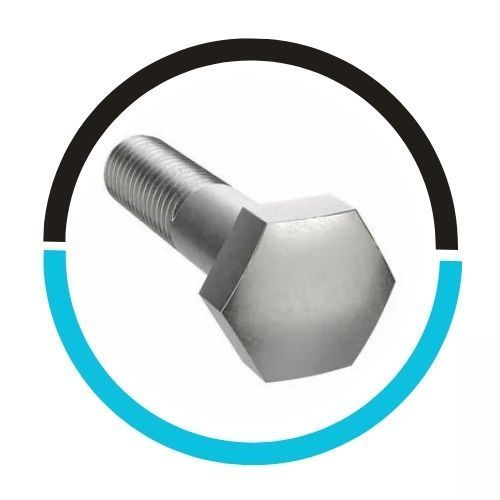
ASTM A193 Hex Head Bolt
Grade B8 CL2 Socket Cap Screw
ASTM A193 B8 CL2 U Bolt
Grade B8 CL2 J Bolt
B8 CL2 Double Ended Stud
ASTM A193 Tap Bolt
Astm A193 B8 Cl2 Hanger Bolt Price In New Zealand, SS Astm A193 B8 Cl2 Stud Bolts Exporter In Wellington, B8 Cl2 Ss Step Bolt Dealer In Auckland, Astm A193 B8 Cl2 Hex Head Bolt, Astm A193 B8 Class 2 Bolts Manufacturer In Christchurch, New Zealand.
ASTM A193 B8 CL2 Stud Bolts Uses
Application Industry
ASTM A193 B8 CL2 Stud Bolts find uses as varied as the sectors they support, led mainly by the aerospace, railway, construction and automotive sectors along with petrochemical, nuclear, medical, Oil & Gas, Chemical, Pharmaceutical, Food & Beverage, Nuclear, Thermal Power plants, Paper and Pulp, marine and mining, etc.
Automotive Industry
Construction Sector
Aerospace Applications
Oil and Gas Industry
Are ASTM A193 B8 CL2 Stud Bolts Susceptible to galvanic corrosion?
ASTM A193 B8M stud bolts, manufactured from 316 stainless steel, resist general corrosion but may still experience galvanic corrosion when placed in contact with dissimilar metals under certain conditions. To reduce this risk in real-world applications, careful material selection and proper insulation methods are essential.