
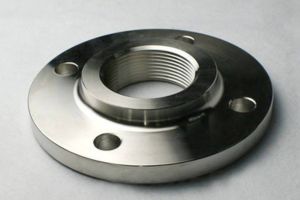
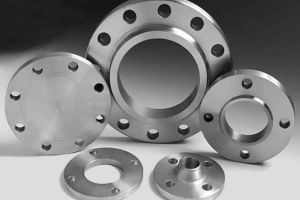
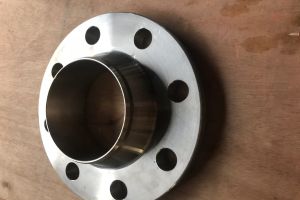
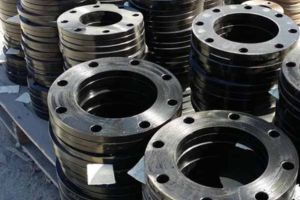
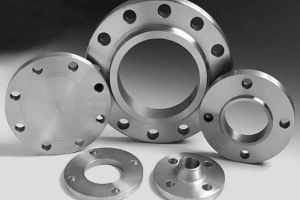
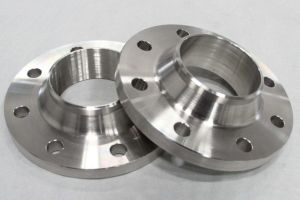
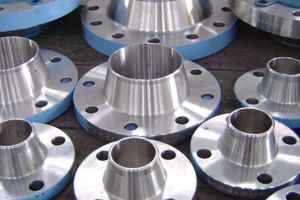
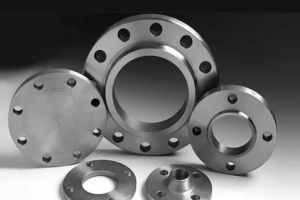
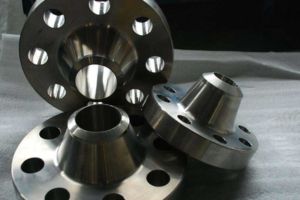
Aluminium flanges serve as sturdy rings or discs vital to the soundness of piping systems. They enable the smooth connection between various pipe sections, valves, pumps, and diverse equipment, guaranteeing the creation of a secure and leak-resistant network. Celebrated for their strength and durability, aluminium flanges deliver reliable support while providing the extra benefit of easy assembly and disassembly. This characteristic proves essential for routine maintenance, careful inspections, or required modifications, adding to the overall efficiency and lifespan of the system.
ASTM B247 – Standard Specification for Aluminum and Aluminum-Alloy Flanges
ASTM B211 / B211M -Standard Specification for Rolled Aluminum-Alloy Tread Flanges
ASTM B221 – Standard Practice for Solution Heat Treatment on a Hot Rolling Mill for Aluminum Alloy Flanges
ASTM B361 – Standard Test Method for Ultrasonic Examination of Aluminum-Alloy Flanges Used in Pressure Vessels
AMS 4102– Aluminum Flange, 0.12Cu (1100-0), Annealed
AMS 4003– Aluminum Alloy, Flange, 0.12cu (1100-H14), Strain Hardened
AMS QQA250/1– Aluminum 1100 Flange
At Koasteel, we’re proud to be the largest supplier and manufacturer in the New Zealand, delivering advanced solutions for all your piping requirements. With cutting-edge manufacturing facilities strategically situated in the New Zealand, we maintain an extensive stock of more than 25,000 tons of top-quality materials on hand and ready to ship.
Reach out to us for a fast quote on your requirement.
We supply these Aluminium Flanges conforming to DIN, ISO, JIS or ANSI Standard.
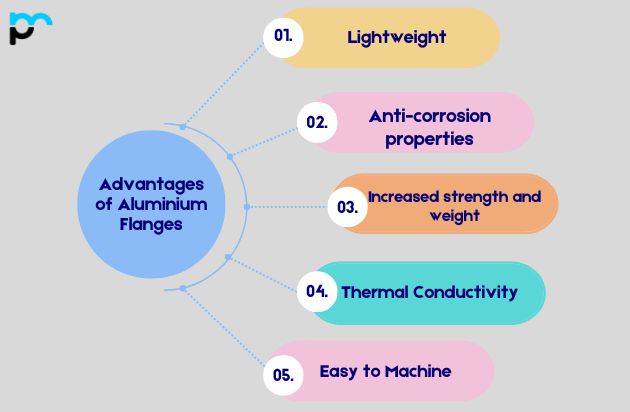
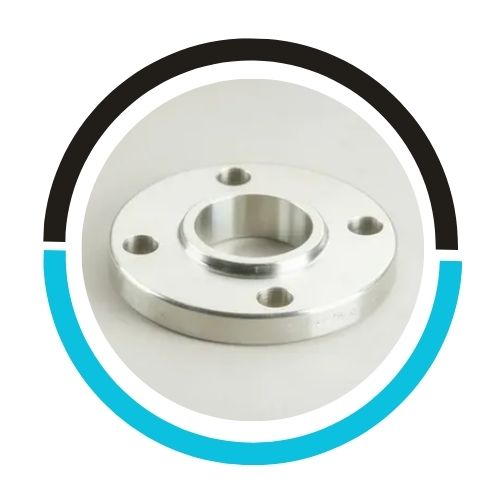
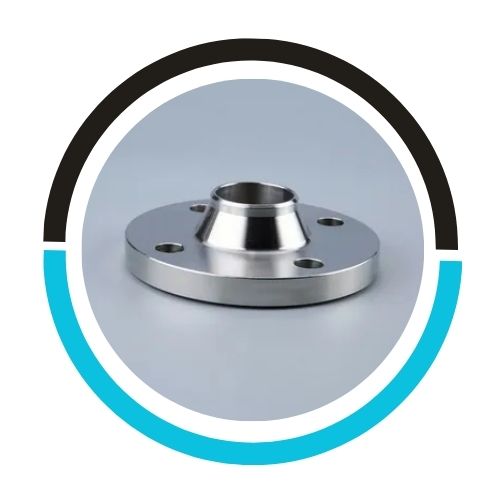
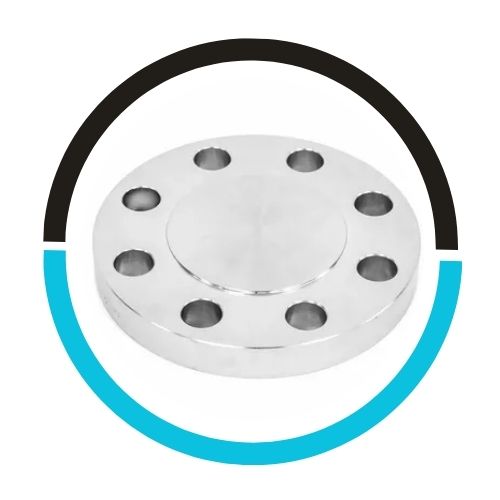
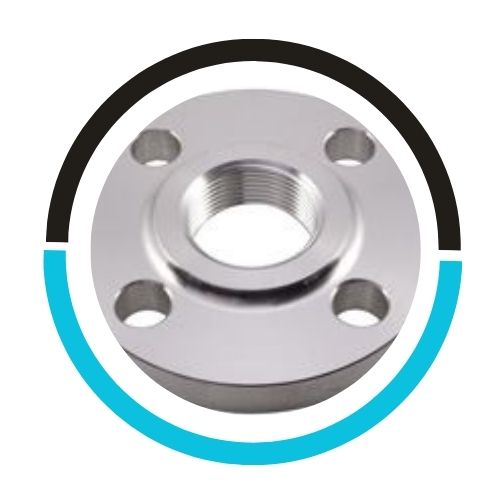
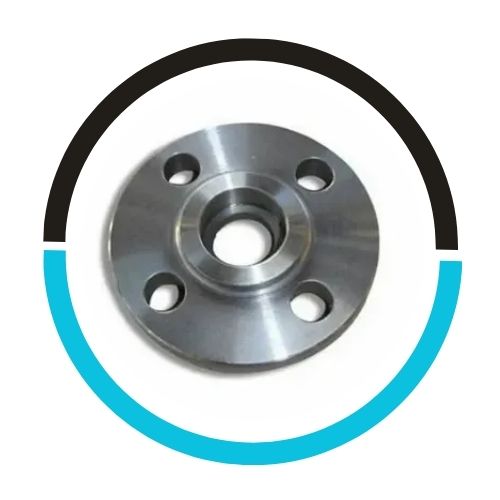
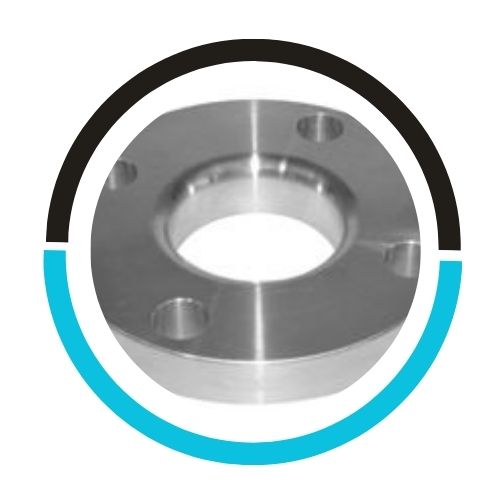
Aluminium flanges play a crucial role in petrochemicals, food processing, healthcare, water treatment, pharmaceuticals, power generation, construction, shipbuilding, and agriculture. They provide reliable connections in pipelines, uphold hygiene standards, and endure challenging conditions thanks to their corrosion resistance and durability.
Yes,Aluminum flanges are recyclable once they have been used. Aluminum is extremely recyclable, keeping its characteristics even through several cycles. Recycling lowers energy use and lessens environmental impact, which makes it an environmentally friendly option. Recycled aluminum can be turned into new flanges or a range of other products, encouraging sustainability in manufacturing.
Aluminium flanges are typically discouraged for hygienic and sanitary uses because they are prone to corrosion, carry possible contamination hazards, and make it hard to uphold adequate cleanliness standards. Stainless steel is usually the material of choice thanks to its longevity, resistance to corrosion, and suitability for the demanding hygiene needs found in these settings.
Yes,Aluminium flanges are prone to galvanic corrosion when they contact dissimilar metals in the presence of an electrolyte. This happens because an electrochemical cell forms, which speeds up corrosion. Applying proper insulation or choosing compatible materials can reduce this risk in industrial applications.
Aluminium flange pipes are usually advised against for underground use because they are prone to corrosion, particularly in acidic or alkaline soils. Being underground subjects them to moisture and chemical agents, which speeds up corrosion. Long-lasting materials such as HDPE (high-density polyethylene) or corrosion-resistant metals like stainless steel are better suited to these conditions.
Email: sales@koasteel.nz