
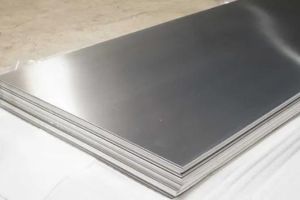
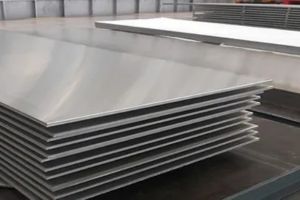
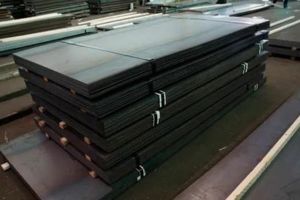
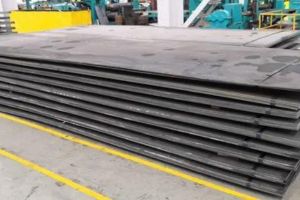
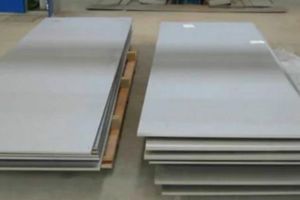
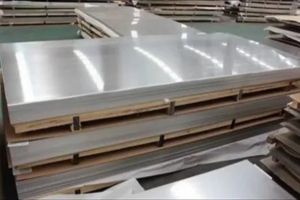

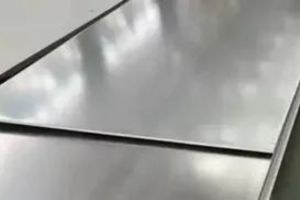
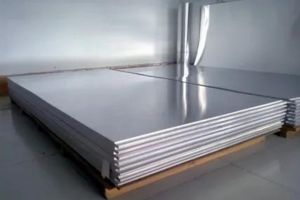
Aluminium 6061 sheets and platesserve as an essential building block throughout numerous industries, celebrated for their adaptability and capability. These flat, pliable aluminum forms feature outstanding strength-to-weight ratios, resistance to corrosion, and quality surface finish, rendering them vital in uses that reach across aerospace, transportation, and construction sectors. Whether shaped into aircraft panels, automotive body parts, or architectural cladding, Aluminium 6061 sheets and plates provide dependable functionality and visual appeal. Their built-in durability, paired with ease of fabrication, enables smooth incorporation into a range of projects, guaranteeing that both structural integrity and aesthetic charm are preserved over time. Known for quality and flexibility, Aluminium 6061 sheets and plates serve as a foundation in contemporary engineering and design.
Standards :ASTM B209 / ASME SB209
Temper :O, T3,T4,T5, T6, T651 T6511
Thickness : 0.3-600
Width : 100-2600
Length : 500-10000
Surface :Bright, polished, hair line, brushed, sand blasted, embossed, etched, and more.
Finish :Mill, finish as per customer specifications
Aluminum Sheet/ Plate Coating :PVC Coated, Color Coated, Polyester, Fluorocarbon, polyurethane along with epoxy coating
Type :Hot-Rolled (HR) / Cold-Rolled (CR) Sheet
At Koasteel, we take pride in being the largest supplier and manufacturer in the New Zealand, delivering cutting-edge solutions for every one of your piping requirements. With advanced production facilities strategically situated in the New Zealand, we maintain an extensive inventory of more than 25,000 tons of top-quality materials kept ready in stock.
Reach out to us for a fast quote tailored to your requirement.
These Aluminium 6061 Sheets and Plates are supplied by us in accordance with DIN, ISO, JIS or ANSI Standard.
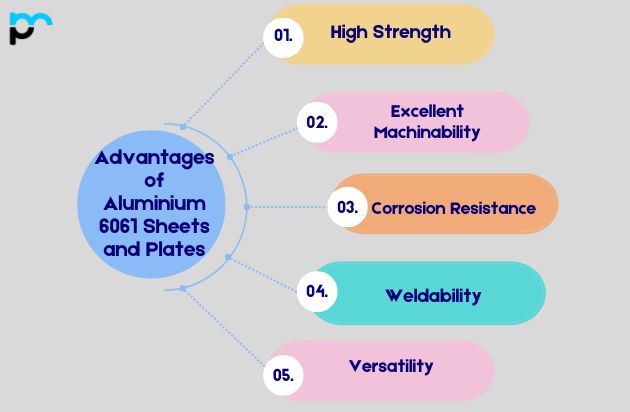
High Strength: Aluminium 6061 provides good mechanical characteristics and shows high strength once heat treated. Its strength can be increased through a range of techniques like precipitation hardening, which makes it well suited for structural uses where strength matters most.
Excellent Machinability: In its heat-treated state it machines exceptionally well, permitting straightforward drilling, milling, and machining work. This quality is valuable when producing intricate parts and components.
Corrosion Resistance: Aluminium 6061 has good resistance to corrosion, which makes it a fitting choice for uses where contact with moisture or corrosive surroundings is a concern. It develops a protective oxide layer that boosts its durability.
Weldability: It welds well, letting both fusion and resistance welding methods be applied effectively. This enables efficient joining of components throughout fabrication.
Versatility: Aluminium 6061 is adaptable and can be readily extruded, rolled, or forged into a variety of forms, such as sheets and plates, to satisfy particular design needs.
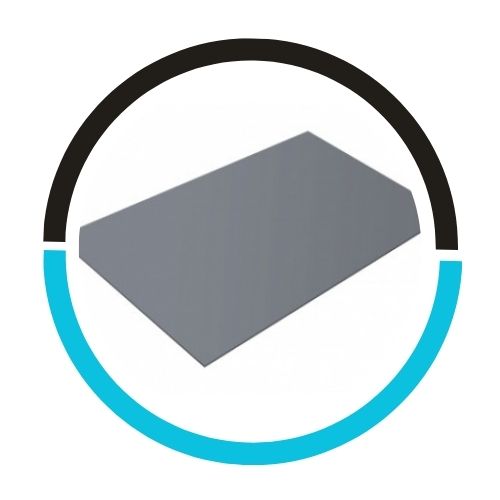
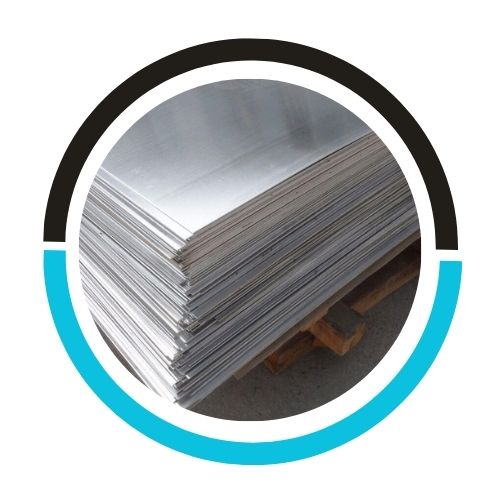
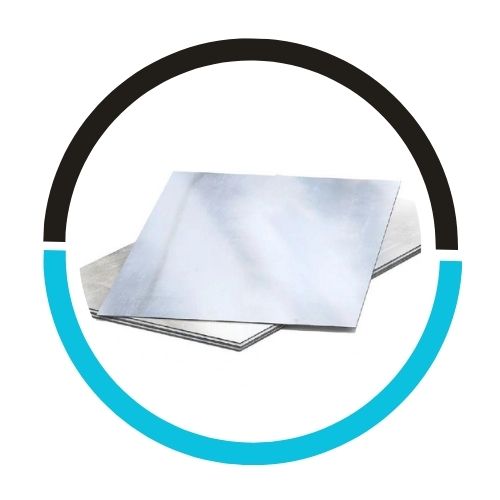
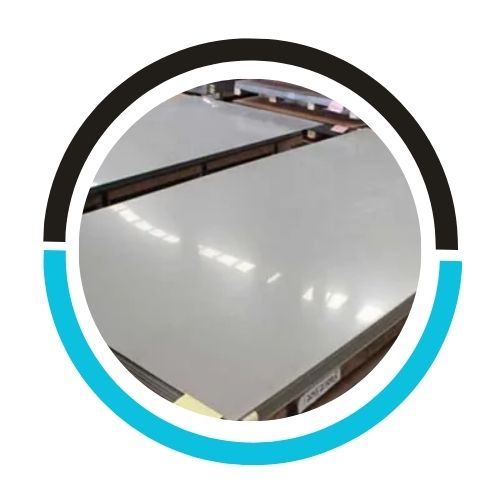
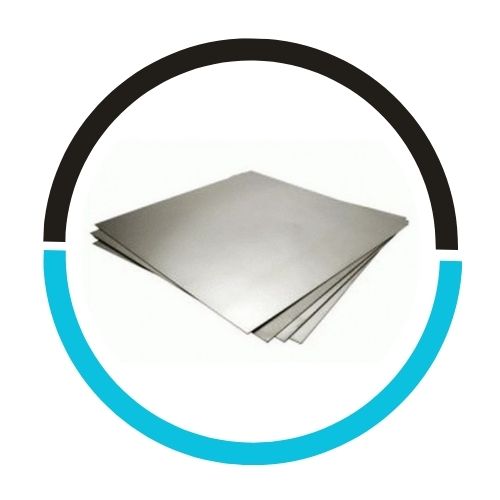
Aluminium 6061 Sheets and Plates play a crucial role in petrochemicals, food processing, healthcare, water treatment, pharmaceuticals, power generation, construction, shipbuilding, and agriculture. Owing to their corrosion resistance and durability, they guarantee reliable connections in pipelines, uphold hygiene standards, and endure challenging conditions.
Aerospace Components: Aluminium 6061 is widely employed throughout the aerospace industry to fabricate aircraft frames, fuselage panels, wings, and various other structural parts. The blend of high strength, low weight, and solid corrosion resistance it offers makes it well suited for aerospace uses.
Automotive Parts: Within the automotive field, sheets and plates of Aluminium 6061 serve to produce parts like body panels, chassis elements, wheels, and heat exchangers. Being lightweight, it contributes to better fuel economy and enhanced performance.
Marine Applications: Owing to its outstanding resistance to corrosion, Aluminium 6061 finds use in marine settings for building boat hulls, ship fittings, and marine structural parts. It effectively endures contact with seawater and demanding marine conditions.
Building and Construction: Sheets and plates of Aluminium 6061 are applied in building and construction for structural elements, window frames, roofing panels, and architectural facades. Its strength, durability, and visual appeal add to its widespread use across the construction industry.
Application Requirements: Identify the particular needs of your application, including mechanical strength, resistance to corrosion, ease of machining, and dimensional tolerances. Various temper conditions (T6, T651, etc.) provide different degrees of strength and hardness, so pick the temper that most closely fits your requirements.
Size and Thickness: Take into account the dimensions and thickness of the sheets or plates needed for your project. Aluminium 6061 sheets and plates come in a range of thicknesses and sizes, so choose ones that align with your design specifications and fabrication capabilities.
Surface Finish: Based on the application, you may need a specific surface finish. Aluminium 6061 can be provided in mill finish (unaltered surface), polished finish, or coated with protective finishes like anodizing or powder coating. Pick the suitable surface finish according to aesthetic preferences, corrosion resistance needs, and functional requirements.
Yes,Aluminium 6061 sheets and plates are able to be entirely recycled once they have been used. Aluminium recycles extremely well without any loss of its characteristics, which makes it both eco-friendly and cost-effective for reuse across a range of sectors, such as automotive, construction, and consumer goods.
Yes,Aluminium 6061 sheets and plates can work well for hygienic and sanitary uses when given the right surface treatments. Anodizing or coating them can improve their resistance to corrosion and make them easier to clean. That said, stainless steel is frequently the preferred choice in demanding sanitary settings because of its natural characteristics and low maintenance requirements.
Aluminium 6061 sheets and plates can undergo galvanic corrosion when they come into contact with dissimilar metals in electrolytic environments. Thoughtful material choices and protective steps, such as coatings or insulating barriers, are required to reduce this risk in applications where galvanic corrosion might arise.
Aluminium 6061 sheets and plates are usually not advised for direct underground use because of the possible corrosion hazards in soil conditions. Stainless steel or corrosion-resistant alloys work better for extended underground exposure, where moisture and soil chemistry can speed up the corrosion of aluminium.
Email: sales@koasteel.nz