
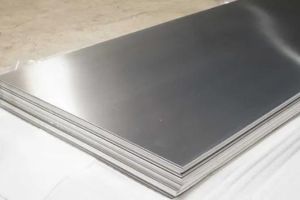
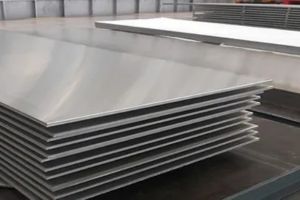
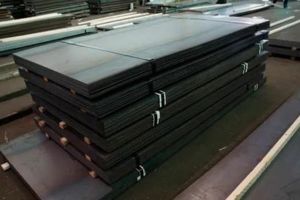
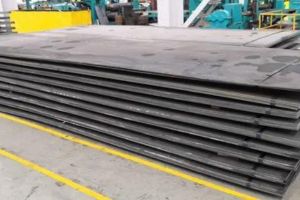
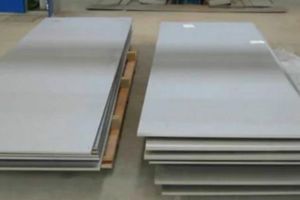
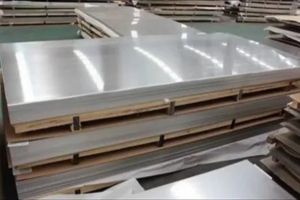

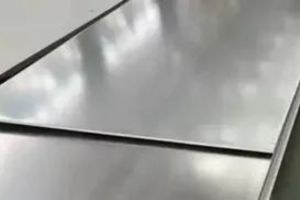
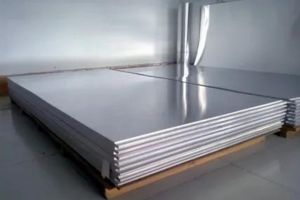
Aluminium 6063 sheets and platesare a foundational element throughout a wide range of industries, celebrated for their adaptability and performance. These flat, workable aluminum forms offer outstanding strength-to-weight ratios, resistance to corrosion, and quality surface finish, rendering them essential in uses across aerospace, transportation, and construction sectors. Whether shaped into aircraft panels, automotive body parts, or architectural cladding, Aluminium 6063 sheets and plates provide dependable functionality and visual appeal. Their natural durability, combined with ease of fabrication, enables smooth incorporation into a variety of projects, ensuring that both structural integrity and aesthetic charm are preserved over time. Known for their quality and flexibility, Aluminium 6063 sheets and plates serve as a cornerstone in contemporary engineering and design.
ASTM B209 – Standard Specification for Aluminum and Aluminum-Alloy Sheets
ASTM B632 / B632M – Standard Specification for Rolled Aluminum-Alloy Tread Sheets
ASTM B947 – Standard Practice for Solution Heat Treatment on a Hot Rolling Mill for Aluminum Alloy Sheets
ASTM B548 – Standard Test Method for Ultrasonic Inspection of Aluminum-Alloy Sheets Used in Pressure Vessels
AMS 4001– Aluminum Sheet, 0.12Cu (1100-0), Annealed
AMS 4003– Aluminum Alloy, Sheet, 0.12cu (1100-H14), Strain Hardened
AMS QQA250/1– Aluminum 1100 Sheet
| Aluminium 1060 | Fe | Si | Mg | Mn | Cu | Zn | Ti | Al |
| 0.15 – 0.20 | 0.10 – 0.15 | 0.01 – 0.03 | 0.01 – 0.03 | 0.01 – 0.05 | 0.01 – 0.03 | 0.020 – 0.030 | 99.60 |
| Alloy | Temper | UTS(Mpa) | % Elongation | |||
| Min | Max | 0.5 mm -0.8 mm | 0.81 mm – 1.30 mm | 1.30 mm – above | ||
| 1060 | O | 55 | 75 | 25 | 25 | 30 |
| H12 | 75 | 110 | 6 | 6 | 7 | |
| H14 | 90 | 120 | 5 | 5 | 6 | |
| H16 | 95 | 130 | 4 | 4 | 4 | |
| H18 | 130 | — | 3 | 3 | 3 | |
At Koasteel, we take pride in being the largest supplier and manufacturer in the New Zealand, delivering innovative solutions for every one of your piping requirements. With cutting-edge production facilities strategically situated in the New Zealand, we maintain an extensive inventory of more than 25,000 tons of top-quality materials kept readily in stock.
Reach out to us for a fast quote tailored to your needs.
We supply These Aluminium 1060 Sheets and Plates conforming to DIN, ISO, JIS or ANSI Standard.
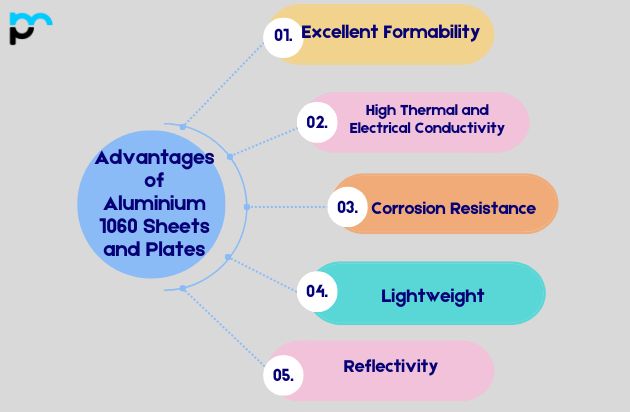
Excellent Formability: Aluminium 1060 has excellent formability, allowing it to be shaped with ease through a range of techniques including rolling, extrusion, and drawing. Because of this characteristic, it is well suited for uses that call for intricate shapes.
Corrosion Resistance: It provides solid protection against corrosion, even under demanding conditions. As a result, Aluminium 1060 works well for outdoor and marine uses where contact with moisture and atmospheric elements is frequent.
High Thermal and Electrical Conductivity: Aluminium 1060 delivers strong thermal and electrical conductivity, which makes it a great option for uses that depend on heat dissipation and electrical transmission, like heat sinks and electrical components.
Lightweight: As with every aluminium grade, 1060 is light in weight, which is beneficial for uses where reducing weight matters greatly, such as in transportation (automotive, aerospace) and construction.
Reflectivity: It offers strong reflectivity, particularly when polished, which makes it valuable in uses that need light and heat to be reflected, such as in lighting fixtures and solar reflective panels.
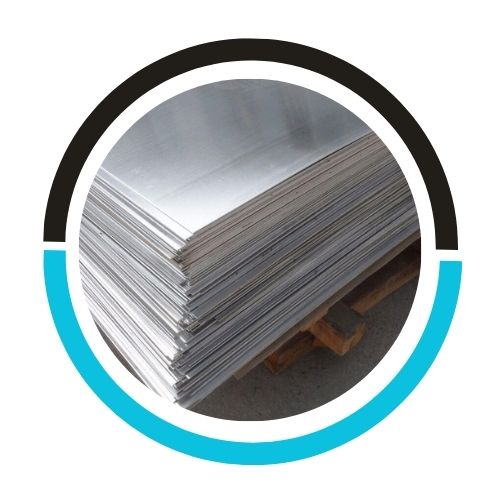
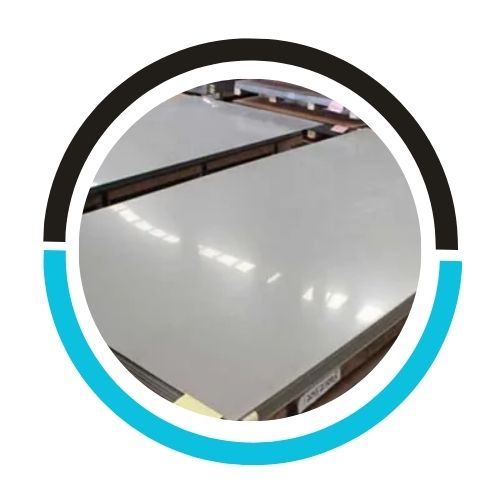
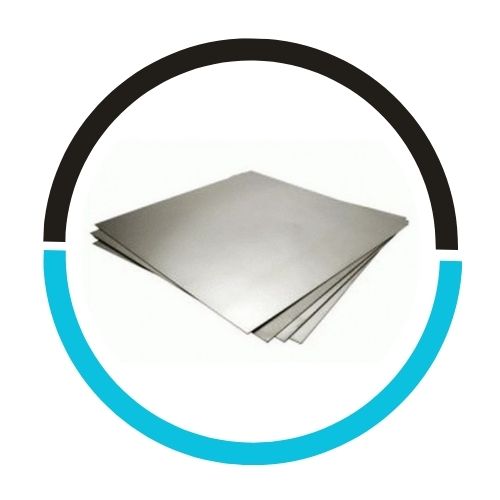
Aluminium 1060 Sheets and Plates play a critical role in petrochemicals, food processing, healthcare, water treatment, pharmaceuticals, power generation, construction, shipbuilding, and agriculture. They provide reliable connections in pipelines, uphold hygiene standards, and endure challenging conditions thanks to their corrosion resistance and durability.
Electrical Industry: Owing to their excellent electrical conductivity, Aluminium 1060 sheets and plates serve in the production of electrical transformers, capacitors, and busbars.
Architecture and Construction: Thanks to its corrosion resistance and ease of shaping, it finds use in architectural applications like roofing, siding, and decorative purposes.
Packaging: Because of its non-toxicity, strength, and capacity to endure both high and low temperatures, Aluminium 1060 is employed in packaging materials such as foil and containers.
Reflectors: Its strong reflectivity makes it well-suited for use in lighting fixtures and reflectors.
Heat Exchangers: The good thermal conductivity of the alloy makes it appropriate for heat exchangers and air cooling systems.
Thickness and Dimensions: Work out the thickness and dimensions you’ll need for the sheets or plates according to your application. Aluminium 1060 comes in a range of thicknesses and sizes, so make your selection based on the structural and functional requirements of your project.
Surface Finish: Think about the surface finish your application calls for. Aluminium 1060 sheets and plates are available with a variety of finishes, including mill finish (raw aluminum), brushed finish, or polished finish. Your selection will depend on aesthetic preferences, corrosion resistance requirements, and functional needs.
Strength and Formability: Assess the strength and formability you require. Aluminium 1060 is recognized for its good formability but doesn’t match the strength of certain other alloys such as 3003 or 5052. Make sure the alloy’s strength properties suit the structural demands of your project.
Yes,Aluminium 1060 sheets and plates are recyclable once they have been used. Aluminium recycles very well without any loss of its properties, which makes it advantageous both economically and for the environment. Recycling aluminium conserves energy and resources when compared to making it from raw materials.
Aluminium 1060 sheets and plates are usually not advised for direct hygienic and sanitary uses because their surface properties may fail to satisfy rigorous cleanliness requirements. Alloys offering smoother and more corrosion-resistant surfaces, such as 3003 or 5052, are favored for these purposes in food handling or medical settings
Yes,Aluminium 1060 sheets and plates may be vulnerable to galvanic corrosion when they come into contact with dissimilar metals under certain conditions. To avoid galvanic corrosion in these situations, suitable insulation or protective measures, like coatings or barriers, are advised.
Aluminium 1060 sheets and plates are typically not advisable for underground use because they are prone to corrosion in damp and acidic soils. Alloys offering greater corrosion resistance, like 3003 or 5052, make better options for extended exposure to underground environments.
Email: sales@koasteel.nz