
Home > Stainless Steel > Stainless Steel 316 Bolts
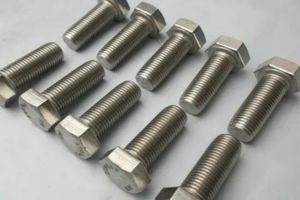
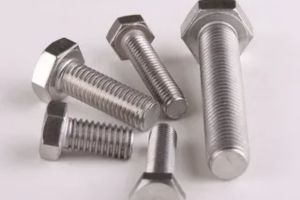
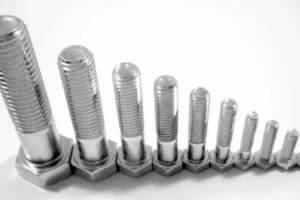
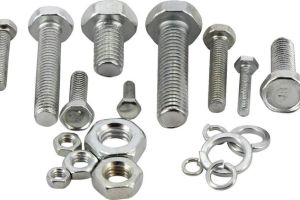
Set out on a path toward outstanding performance with our Stainless Steel 316 Bolts prominently showcased across our product pages. We provide a wide-ranging assortment of thoughtfully made, top-quality solutions designed to match the requirements of varied industries. Explore adaptability and reliability through our meticulously engineered products, perfectly suited for a wide range of industrial uses. Our Stainless Steel 316 Bolts feature precisely designed characteristics that comply with industry standards, emphasizing longevity and corrosion resistance, particularly in marine and corrosive settings. Being a trusted seller, we place customer satisfaction first by providing adaptable options, competitive rates, and rapid shipping. Whether in construction, manufacturing, or marine engineering, our Stainless Steel 316 Bolts provide exceptional performance, establishing raised benchmarks for excellence and innovation.
Our unwavering commitment to perfection empowers your business with reliable solutions, ensuring success and confidence in every deal.
| Type | Elong (% in 50mm) min | Hardness | |
| Rockwell B (HR B) max | Brinell (HB) max | ||
| SS 316 Bolts | 40 | 95 | 217 |
| Grade | C | Mn | Si | P | S | Cr | Mo | Ni | N | |
| SS 316 Bolts | Min | – | – | – | 0 | – | 16.0 | 2.00 | 10.0 | – |
| Max | 0.08 | 2.0 | 0.75 | 0.045 | 0.03 | 18.0 | 3.00 | 14.0 | 0.10 |
At Koasteel, we take pride in being the largest supplier and manufacturer in the New Zealand, delivering advanced solutions for every one of your piping requirements. With cutting-edge production facilities strategically situated in the New Zealand, we hold an extensive stock of more than 25,000 tons of top-quality materials ready and available on hand.
Reach out to us for a fast quote tailored to your requirement.
We supply These Stainless Steel 316 Bolts in accordance with DIN, ISO, JIS or ANSI Standard.
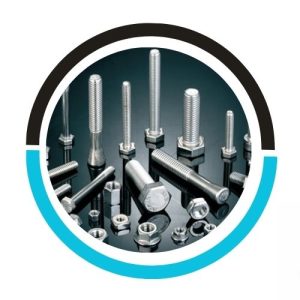
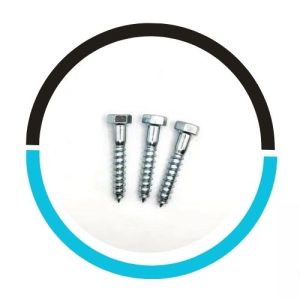
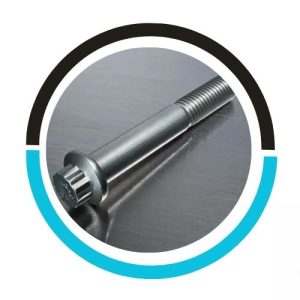
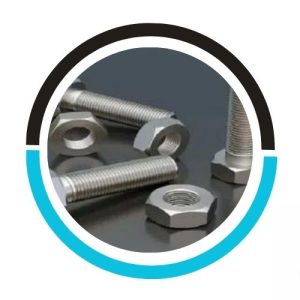
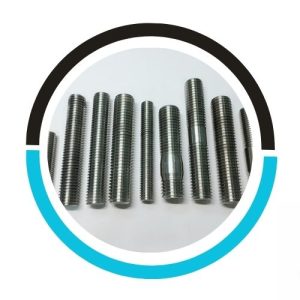
Stainless Steel 316 Bolts serve applications as varied as the industries that use them, led chiefly by the aerospace, railway, construction and automotive industries along with petrochemical, nuclear, medical, Oil & Gas, Chemical, Pharmaceutical, Food & Beverage, Nuclear, Thermal Power plants, Paper and Pulp, marine and mining, etc.
Application Requirements: Identify the particular needs of your application, taking into account environmental, thermal, and corrosive factors.
Materials: Get familiar with the characteristics of 316 stainless steel, including its resistance to corrosion, strength, and thermal stability.
Bolt Specification: Define the necessary size, length, thread type, and head style of the bolt according to what your application demands.
Standards Compliance: Verify that bolts meet applicable industry standards and specifications, like ASTM or ASME standards, to guarantee quality and performance.
Water resistance: Assess the corrosion resistance needed for your application and confirm that the stainless steel 316 bolts are appropriate for the environment.
Load Capacity: Establish the necessary load capacity and strength of the bolts so they can safely bear the applied loads.
Thermal stability: Verify that the bolts can endure the temperature of your application without weakening their mechanical properties.
Weldability and Construction: Should your application call for fabrication or customization, take into account the weldability and formability of stainless steel 316 bolts.
Supplier Reputation: Select a trustworthy supplier recognized for supplying high quality stainless steel 316 bolts that satisfy industry standards and specifications.
Cost Consideration: Weigh the cost of bolts against their performance and durability to secure the best value for your investment.
Yes, Stainless Steel 316 bolts are suitable for potable water applications. They provide outstanding resistance to corrosion, safeguarding the integrity of the water supply system. Moreover, Stainless Steel 316 is inert and releases no harmful substances, making it appropriate for use in contact with drinking water.
Stainless steel 316 bolts are typically not advised for direct connection to natural gas. While they offer strong resistance to corrosion, materials specifically engineered for such applications are preferred over those that may fail to give sufficient protection against sulfide stress cracking or other forms of corrosion that can arise in a natural gas setting.
Owing to their austenitic microstructure, stainless steel 316 bolts are typically non-magnetic when in their annealed condition. That said, cold working or particular processes can induce magnetism in the material. On the whole, stainless steel 316 bolts show lower magnetic permeability than ferromagnetic materials.
Typically, stainless steel 316 bolts are not advised for cryogenic uses because of their very low-temperature hardness and diminished ductility. In such applications, special alloys offering good cryogenic properties, like 304L and austenitic stainless steel grades or duplex stainless steels, are the preferred choice. Wait — the instructions require preserving HTML tags exactly. Let me output correctly. Typically, stainless steel 316 bolts are not advised for cryogenic uses because of their very low-temperature hardness and diminished ductility. In such applications, special alloys offering good cryogenic properties, like 304L and austenitic stainless steel grades or duplex stainless steels, are the preferred choice.
Email: sales@koasteel.nz