
Home > Stainless Steel > Stainless Steel 304L Forgings
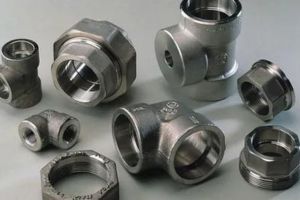
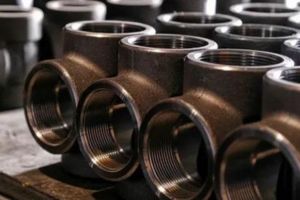
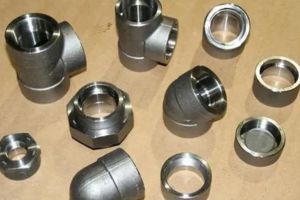
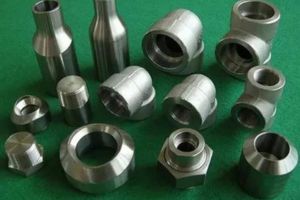
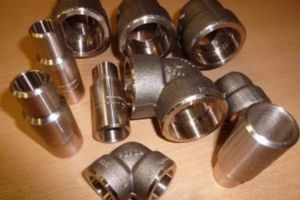
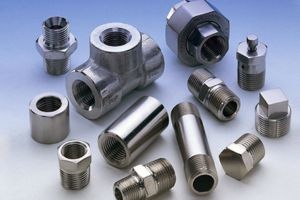
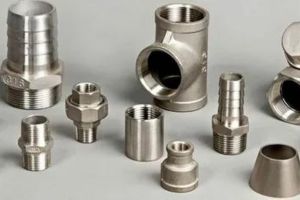
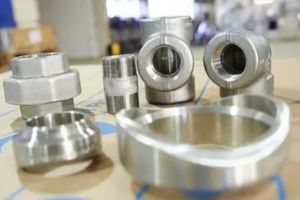
Our firm is skilled at offering a broad range of Stainless Steel 304L Forgings obtained from leading suppliers celebrated for their stainless steel expertise. These forgings are meticulously tailor-made to meet an extensive variety of industry demands, providing adaptability in dimensions, grades, and standards. Commonly employed across sectors such as automotive, aerospace, and food processing, they are valued for their exceptional corrosion resistance and durability. Built with a robust microstructure, these 304 stainless steel forgings provide excellent strength and toughness, guaranteeing dependable mechanical performance in a range of applications.
| Specifications | ASTM A182, ASME SA182 |
|---|---|
| Standard | DIN, ASTM, BS and all International Standards |
| Flat bar blocks | up to 27″ width and 15,000 lbs |
| Cylinders and sleeves | up to 50″ maximum O.D. and 65″ maximum length |
| Discs and hubs | up to 50″ diameter and 20,000 lbs |
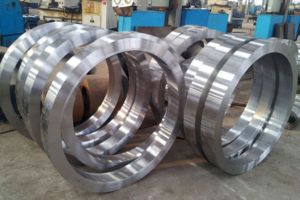
| Rolled, hand forged or mandrel forged rings | up to 84″ maximum O.D. and 40″ maximum length |
| Rounds, shafts and step shafts | up to 144″ maximum length and 20,000 lbs |
| Grade | C | Mn | Si | P | S | Cr | Mo | Ni | N |
| SS 304L | 0.035 max | 2.0 max | 1.0 max | 0.045 max | 0.03 max | 18 – 20 | – | 8 – 13 | – |
| Density | Melting Point | Tensile Strength | Yield Strength (0.2%Offset) | Elongation |
| 8.0 g/cm3 | 1400 °C (2550 °F) | Psi – 75000 , MPa – 515 | Psi – 30000 , MPa – 205 | 35 % |
At Koasteel, we take pride in being the largest supplier and manufacturer in the New Zealand, delivering advanced solutions for every one of your piping requirements. With cutting-edge production facilities strategically situated in the New Zealand, we maintain an extensive inventory of more than 25,000 tons of top-quality materials kept ready in stock.
Reach out to us for a fast quote tailored to your requirement.
We supply these Stainless Steel 304L Forgings in accordance with DIN, ISO, JIS or ANSI Standard.
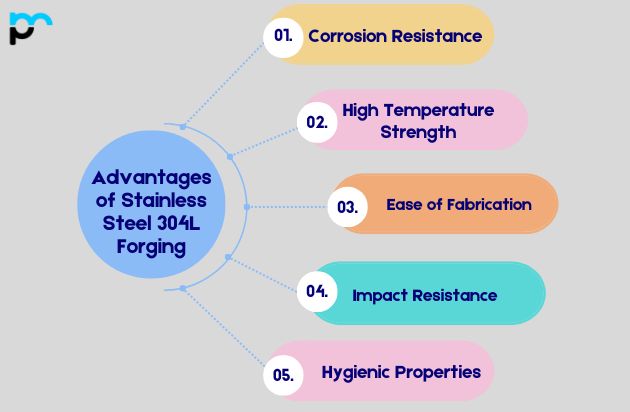
Corrosion Resistance: A key advantage of Stainless Steel 304L is its outstanding resistance to corrosion. It holds up against corrosion caused by a broad spectrum of chemicals, along with atmospheric exposure, which makes it well-suited for diverse environments, including marine and industrial applications.
High Temperature Strength: Stainless Steel 304L retains its mechanical properties even at high temperatures, which makes it appropriate for uses where exposure to elevated heat is frequent.
Ease of Fabrication: Stainless Steel 304L can be forged into intricate shapes and configurations with relative ease. This fabrication convenience broadens its applicability across numerous industries, such as aerospace, automotive, and construction.
Impact Resistance: The material offers solid impact resistance, which boosts its durability and dependability in uses where mechanical stresses are considerable.
Hygienic Properties: Stainless Steel 304L is non-porous and simple to clean, which makes it perfect for uses demanding high standards of cleanliness and hygiene, such as food processing and medical equipment.
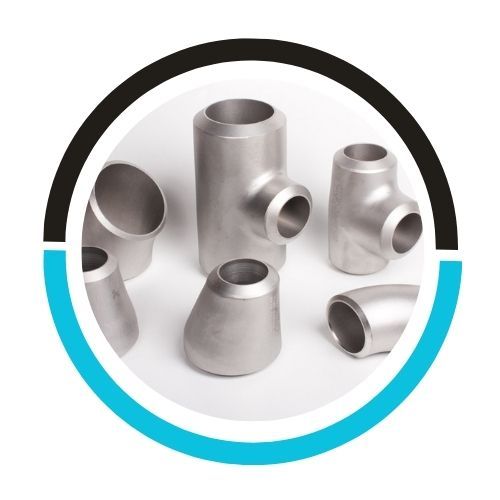
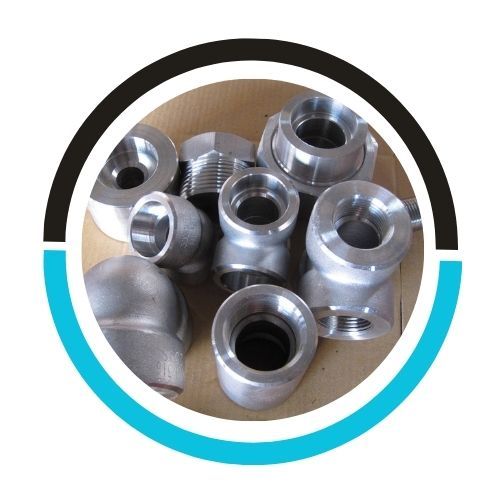
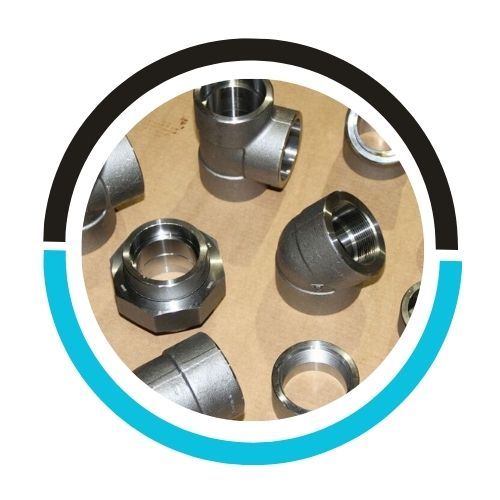
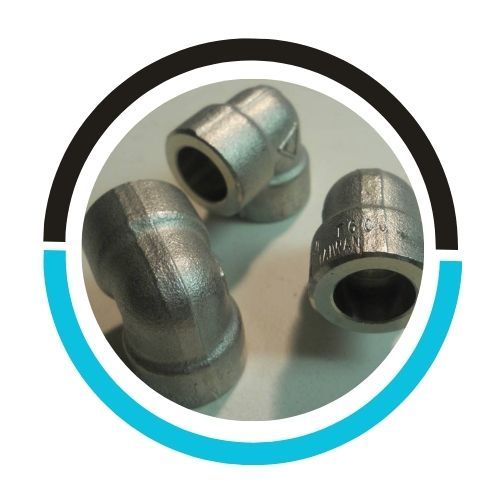
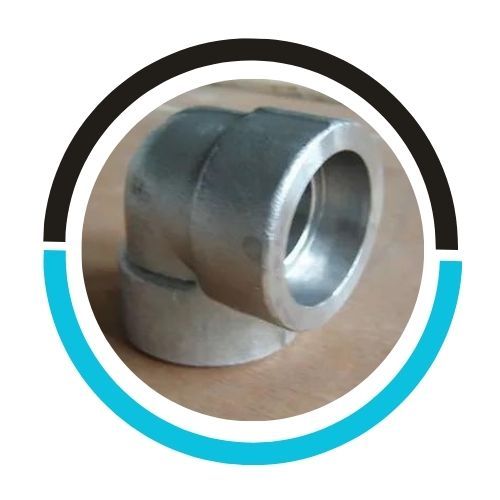
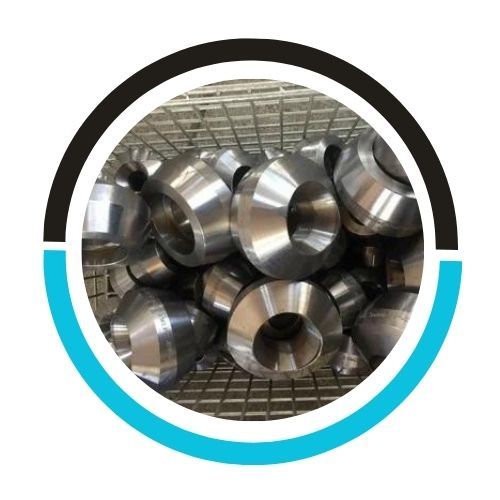
Stainless Steel 304L Forgings serve applications as varied as the industries that use them, led mainly by the aerospace, railway, construction and automotive sectors along with petrochemical, nuclear, medical, Oil & Gas, Chemical, Pharmaceutical, Food & Beverage, Nuclear, Thermal Power plants, Paper and Pulp, marine and mining, etc.
Industrial Equipment: Forgings made from Stainless Steel 304L are employed in producing industrial equipment including valves, pumps, fittings, and fasteners. Its resistance to corrosion and long-lasting nature make it well-suited for dealing with chemicals, oils, and gases.
Food Processing: Within the food and beverage sector, Stainless Steel 304L is favored for components such as tanks, piping, and processing machinery. Its sanitary characteristics, ability to withstand corrosion from food acids, and ease of cleaning render it perfect for keeping conditions hygienic.
Architectural Applications: Stainless Steel 304L forgings serve architectural purposes in building facades, handrails, door and window fittings, and decorative features. Its visual appeal, corrosion resistance, and toughness across diverse weather conditions make it a widely chosen option.
Mechanical Properties: Identify the mechanical characteristics needed, including tensile strength, yield strength, hardness, and impact resistance. These characteristics should match the working conditions and stresses that the forgings will endure.
Fabrication Requirements: Take into account how readily the material can be fabricated and machined. Stainless Steel 304L is typically simple to forge, weld, and machine, but you should factor in the complexity of your design and the manufacturing processes required (e.g., forging, machining, heat treatment).
Size and Shape: Define the dimensions and geometry of the forgings needed for your application. Stainless Steel 304L forgings can be manufactured in a wide range of shapes and sizes, but make sure they satisfy the dimensional tolerances and surface finish specifications for your particular requirements.
Stainless Steel 304L forgings typically hold up well against galvanic corrosion when combined with other stainless steels or noble metals. That said, when joined to dissimilar metals (e.g., aluminum, copper), galvanic corrosion may develop because of potential differences, making it necessary to carefully evaluate the application environment to avoid such problems.
When choosing Stainless Steel 304L forgings, weigh factors like corrosion resistance in the application environment, the mechanical properties required (strength, hardness), fabrication ease, and regulatory demands. Compatibility with other materials and cost-effectiveness are equally vital considerations for achieving optimal performance and longevity.
Yes,Stainless Steel 304L forgings are highly recyclable. They can be melted and repurposed without sacrificing their fundamental properties, which makes them eco-friendly. Recycling stainless steel aids in preserving natural resources and lowers energy usage when compared to manufacturing new materials.
Stainless Steel 304L forgings typically don’t need corrosion protection coatings because of their built-in resistance to corrosion. Nevertheless, in extremely harsh environments or particular applications, coatings such as paints or specialized finishes might be used to improve durability or offer extra defense against certain corrosive substances.
Email: sales@koasteel.nz