
Home > Stainless Steel > Stainless Steel 304L Bars
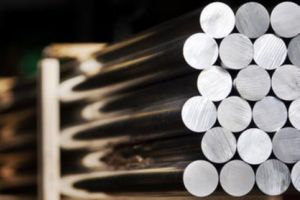
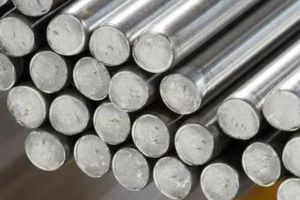
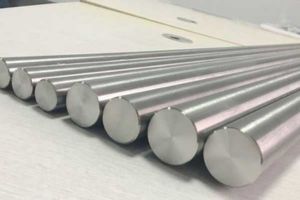
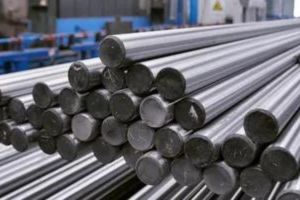
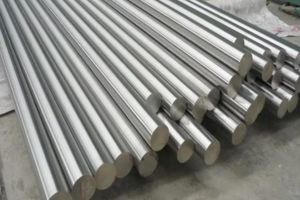
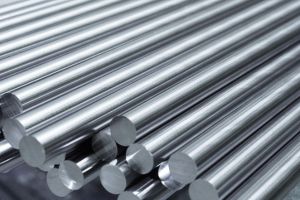
Set out on a path of excellence with our Stainless Steel 304L Bars, meticulously custom-built to raise your industrial pursuits to new heights. Inside our extensive product catalog, you’ll find a varied selection of premium solutions designed to satisfy countless industrial needs. Our bars embody precision engineering, ensuring exceptional durability and corrosion resistance in compliance with the industry’s most demanding standards. Celebrated for our dedication to customer satisfaction, we provide customized options, competitive pricing, and fast delivery services. Whether for construction, manufacturing, or industrial uses, our Stainless Steel 304L Bars establish a standard for quality and reliability. Enhance your projects with our innovative solutions, supported by an unwavering commitment to excellence and performance.
| Material Grade | Stainless Steel 304L, UNS S30403, DIN 1.4306 |
| SS 304L Bar Dimensions | ASME, DIN, ASTM, AISI, EN, JIS, BS |
| SS 304L Bar Standards | A479, ASTM A276, ASTM A582, SA479, ASME SA276, ASTM A484, ASTM A473 |
| SS 304L Round Bar Type | Square Bars, Round Bars, Cold Drawn Bars, Hollow Bars, Hexagonal Bars, Hot Rolled Bars, Triangle Bar, Flat Bars, Threaded Bars, Rods, |
| Form | Flat Bar, Rings, Square, Round Rod, Rectangle, Ingot, Channel Bar, Rod, Precision Ground Bar, T-Bar, Profiles, Half Round Bar, Triangle, Hollow, Blocks, I/H Bar, Threaded, Hex (A/F), Billet, Round, Forging, etc. |
| SS 304L Square Bar | 4mm* 4mm~ 100mm* 100mm |
| SS 304L Flat Bar | Width: 10mm~ 500mm and Thickness: 2mm~ 100mm |
| SS 304L Hexagonal Bar | 2mm~ 100mm |
| Melting Point | Modulus of Rigidity | Coefficient of Expansion | Density | Modulus of Elasticity |
| 1420 °C | 70.3 kN/mm² | 17.6 μm/m °C (20 – 100°C) | 8.0 g/cm3 | 187.5 kN/mm² |
| Grade | Mn | P | Cr | Fe | S | Mo | C | Si | Ni |
| SS 304L | 2 max | 0.045 max | 17 – 19 | Bal | 0.030 max | – | 0.12 max | 1.00 max | 8 – 10 |
At Koasteel, we take pride in being the largest supplier and manufacturer in the New Zealand, providing advanced solutions for all your piping requirements. With cutting-edge production facilities strategically situated in the New Zealand, we maintain an extensive inventory of more than 25,000 tons of top-quality materials kept ready in stock.
Reach out to us for a fast quote tailored to your requirement.
We supply these Stainless Steel 304L Bars in accordance with DIN, ISO, JIS or ANSI Standard.
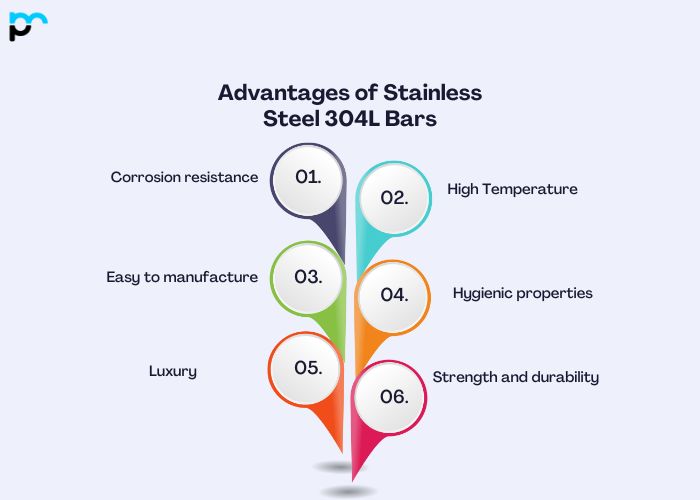
Corrosion resistance: A key benefit of 304L stainless steel is its outstanding resistance to corrosion, particularly when exposed to acid, alkali and chloride solutions. This quality makes it well-suited for corrosive settings in the chemical sector and marine uses.
High Temperature: Stainless steel 304L maintains strong mechanical characteristics even under high-temperature conditions. As a result, it works well in industrial furnaces and exhaust systems, where elevated temperatures are needed.
Easy to manufacture: 304L stainless steel is simple to fabricate, which makes it perfect for numerous uses like machining, welding and fabrication. This manufacturing simplicity permits intricate shapes and materials.
Hygienic properties: Stainless steel 304L is non-porous and simple to clean, which makes it appropriate for settings where hygiene matters, such as food processing, pharmaceutical and medical devices
Luxury: Stainless steel 304L features a smooth, glossy surface, which enhances its appearance. This makes it a good fit for architectural and decorative uses, such as sleeves, fittings and trim.
Strength and durability: 304L stainless steel frames demonstrate excellent strength and toughness, guaranteeing longevity and dependability across many applications, including building materials and appliances
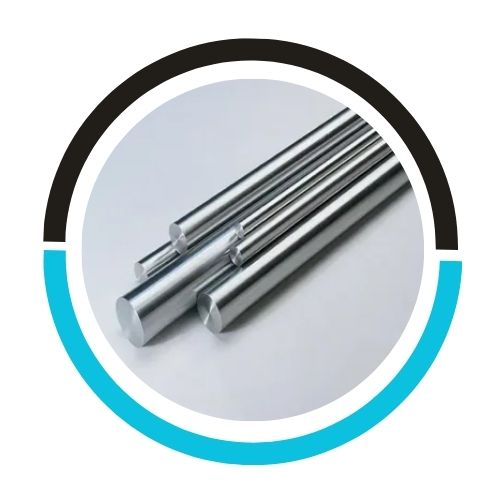
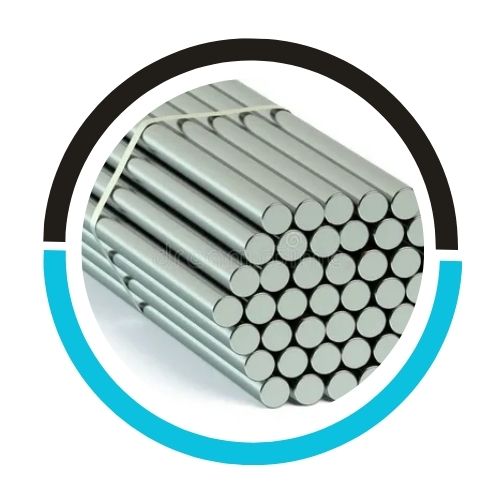
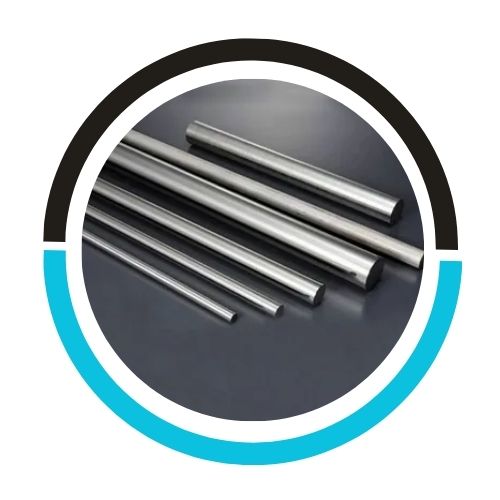
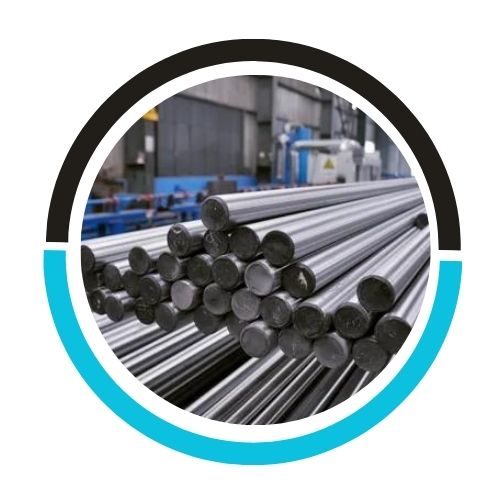
Stainless Steel 304L Bars serve applications as varied as the industries they support, led chiefly by the aerospace, railway, construction and automotive industries along with petrochemical, nuclear, medical, Oil & Gas, Chemical, Pharmaceutical, Food & Beverage, Nuclear, Thermal Power plants, Paper and Pulp, marine and mining, etc.
Construction: Stainless steel 304L bars are frequently employed in construction uses such as beams, columns and supports, particularly in locations where water or chemical contamination poses a risk.
Manufacturing: This tape sees broad use in producing machines, tools and equipment that demand corrosion resistance and durability, such as in producing pumps, valves, fasteners and fittings
Food and Beverage Industry: Stainless steel 304L plates are favored in the food and beverage sector for uses like food processing equipment, commercial kitchens and cleaning fittings owing to their cleaning qualities and corrosion of acidic food items -There is also resistance
Chemical Uses: Stainless steel 304L bars are applied in the chemical industry for producing vessels, tubes, pipes, and other equipment of great importance as corrosion and high-temperature-resistant chemicals
Yes,Stainless steel 304L bars are highly recyclable. They can be melted down and reused across a range of applications without any loss of their properties. Recycling stainless steel lowers the demand for raw materials and reduces environmental impact, making it a sustainable option for the manufacturing and construction industries.
Stainless steel 304L bars are typically not advised for cryogenic applications because they are prone to embrittlement at low temperatures. For cryogenic use, stainless steel grades containing more nickel, such as 304LN or 316L, are favored owing to their enhanced toughness and resistance to embrittlement at extremely low temperatures.
Stainless steel 304L bars may be appropriate for underground use depending on the particular circumstances. They provide solid corrosion resistance in mildly corrosive settings but might need extra safeguards, like coatings or cathodic protection, under harsher underground conditions to prevent corrosion and guarantee lasting durability.
During installation of stainless steel 304L bars, take into account elements like surface preparation to avoid contamination or corrosion, correct alignment and support to maintain structural integrity, suitable fastening techniques to avoid loosening, and compatibility with adjacent materials. Adhere to manufacturer guidelines and industry best practices for the best installation results.
Email: sales@koasteel.nz