
Home > Nickel Alloy > Nickel Alloy 201 Tubing
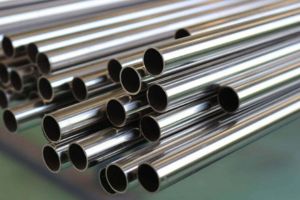
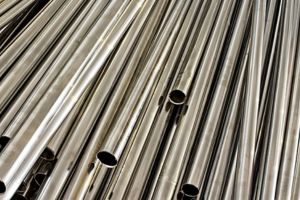
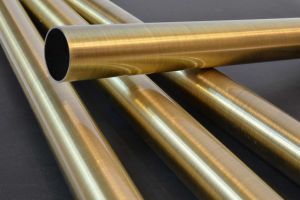
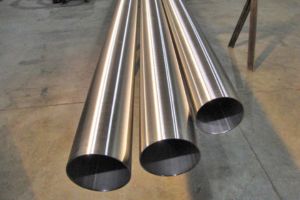
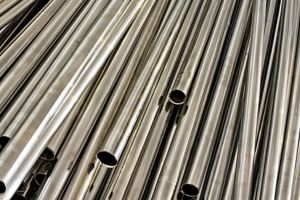
Nickel Alloy 201 Tubingstands out as a top-tier option in sectors demanding outstanding corrosion resistance, remarkable strength under intense heat, and excellent mechanical characteristics. Made mainly from nickel with additional alloying elements such as copper, these tubes deliver outstanding durability in challenging conditions. Commonly applied in aerospace, chemical processing, and power generation, Nickel Alloy 201 Tubing is essential for vital systems like heat exchangers. Its capacity to endure elevated temperatures and corrosive materials establishes it as a foundational material across numerous industrial applications, guaranteeing first-rate performance and long service life even in the toughest environments.
| Size | : | 15NB to 150NB In |
| Standards | : | ASTM / ASME |
| Type | : | Seamless / ERW / Welded / Fabricated / LSAW Pipes |
| Length | : | Within 13500mm |
| Form | : | Round, Square, Rectangular, Hydraulic Etc. |
| Grade | : | Nickel Alloy 201 (UNS No. N02201) Pipes & Tubes, 2.4060, 2.4066 Nickel 201 Seamless Pipes & Tubes: 161 / 163,B 161 / B 163 Nickel 201 Welded Pipes & Tubes: 725 / 730, B 725 / B730 |
| Nickel Alloy 201 | Ni | Fe | C | Mn | Si | Cu | S |
| Balance | 0.40 max | 0.15 max | 0.35 max | 0.35 max | 0.25 max | 0.01 max |
| Density | 8.9 g/cm3 |
| Melting Point | 1446 °C (2635 °F) |
| Tensile Strength | Psi – 67000 , MPa – 462 |
| Yield Strength (0.2%Offset) | Psi – 21500 , MPa – 148 |
| Elongation | 45 % |
At Koasteel, we’re proud to be the largest supplier and manufacturer in the New Zealand, delivering advanced solutions for all your piping requirements. Our modern production facilities, strategically situated in the New Zealand, allow us to maintain an extensive inventory of more than 25,000 tons of top-quality materials on hand in stock.
Reach out to us for a fast quote tailored to your needs.
We provide These Nickel Alloy 201 Tubing in compliance with DIN, ISO, JIS or ANSI Standard.
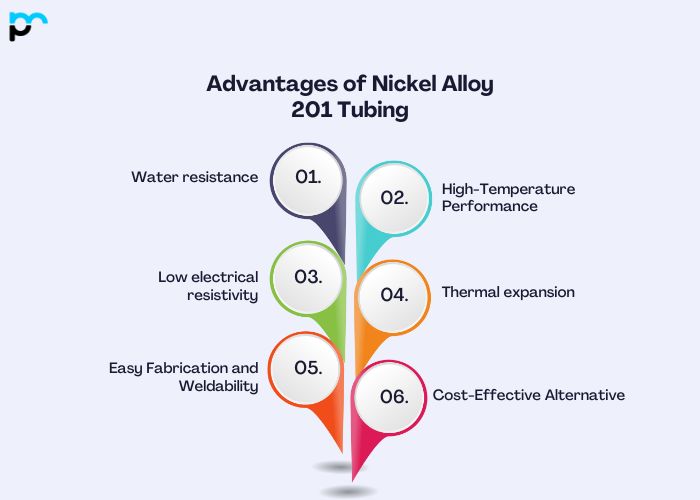
Water resistance: Nickel Alloy 201 tubing demonstrates outstanding strength across a range of corrosive settings, such as acids, alkalis, and neutral salts. This resistance to salts makes it well suited for uses where typical corrosive substances are found, like the pharmaceutical sector and marine surroundings.
High-Temperature Performance: Nickel alloy 201 tubing maintains its mechanical characteristics at elevated temperatures, which makes it appropriate for high-temperature uses. It can endure temperatures reaching 760°C (1400°F) without notable deterioration, making it well suited for high-temperature operations such as heat exchangers and furnaces.
Low electrical resistivity: Nickel alloy 201 features low electrical resistivity, making it fitting for uses that call for low electrical conductivity. It is frequently applied in electronic parts and thermal resistors.
Thermal expansion: Nickel alloy 201 possesses a low coefficient of thermal expansion, meaning it undergoes little expansion and contraction as temperatures shift. This characteristic makes it perfect for uses where maintaining dimensions is crucial, such as in precision machinery and aerospace components.
Easy Fabrication and Weldability: Nickel Alloy 201 tubing can be readily shaped using conventional machining and fabrication methods. It can additionally be welded through flexible welding approaches, enabling the construction of intricate structures and assemblies.
Cost-Effective Alternative: Nickel Alloy 201 is typically more affordable than other nickel-based alloys such as Alloy 200 or Alloy 400, while still delivering excellent corrosion resistance and strong high-temperature performance. This makes it a compelling choice for uses where budget matters.
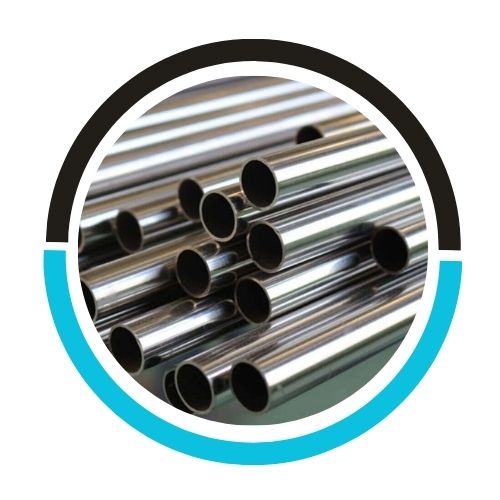
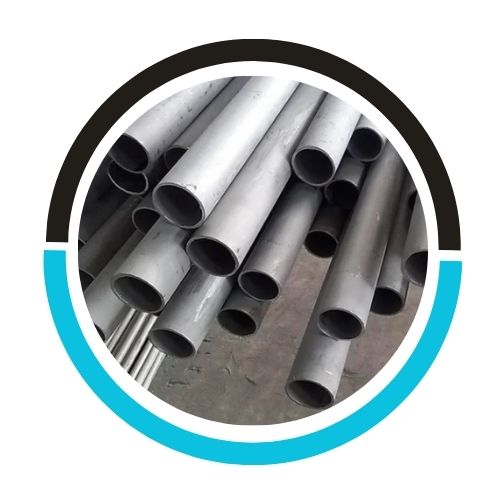
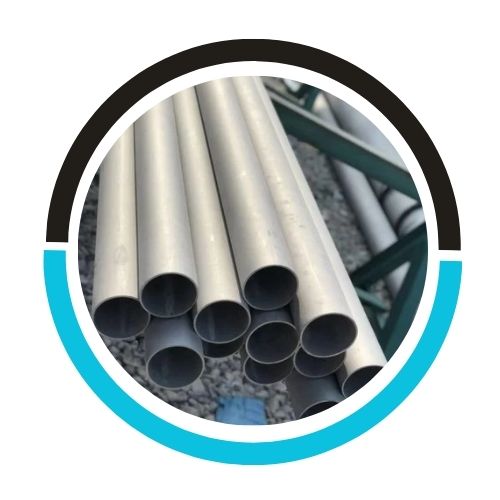
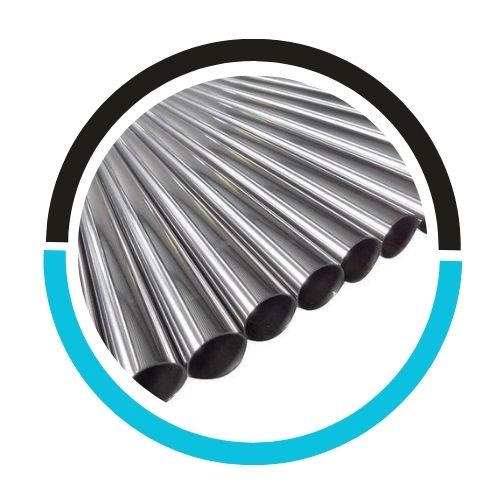
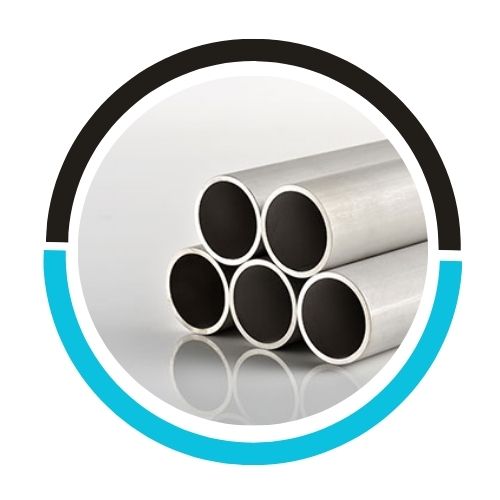
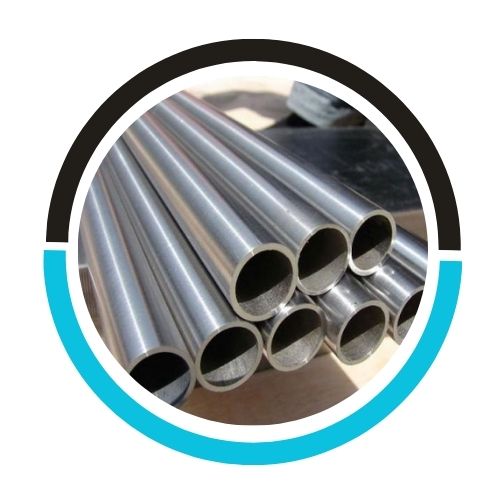
Nickel Alloy 201 Tubing applications are as varied as the industries they serve, driven mainly by the aerospace, railway, construction and automotive industries along with petrochemical, nuclear, medical, Oil & Gas, Chemical, Pharmaceutical, Food & Beverage, Nuclear, Thermal Power plants, Paper and Pulp, marine and mining, etc.
Chemical properties: Nickel alloy 201 containers offer resistance to corrosion and withstand aggressive chemicals, which makes them well suited for use in corrosive chemical plants
Electronics: Thanks to their effective thermoelectric performance, these reservoirs are frequently employed in electronic products and appliances
Aerospace Industry: Because they resist high temperatures and corrosion of aircraft components and systems, nickel alloy 201 tubes prove beneficial in the aerospace industry
Heat Exchangers: Employed in heat exchangers thanks to high temperatures, allowing efficient heat transfer across a range of industrial applications
Power generation: Nickel alloy 201 tubes serve in electrical equipment for heat exchangers, condensers, and other components that demand resistance to corrosion and high temperatures.
Oil and Gas Industry: Owing to their corrosion resistance, these tubes are applied in the oil and gas industry for uses such as piping, tubing and heat exchangers on offshore platforms and refineries
Medical applications: Nickel alloy 201 liquids in medical devices and equipment are utilized in certain applications where corrosion resistance and biocompatibility matter.
Corrosion Resistance: Nickel Alloy 201 is recognized for its outstanding ability to resist corrosion across a range of settings, such as alkaline solutions, salt water, and acidic conditions. Think about the kind of corrosion your tubing will face and verify that Nickel Alloy 201 is appropriate for that scenario.
Temperature Resistance: Identify the temperature range in which your tubing will function. Nickel alloy 201 delivers outstanding mechanical performance at both high and low temperatures, which makes it fitting for a wide range of applications. That said, if your application involves extremely high temperatures, you might need to look at other nickel alloys that offer greater heat resistance.
Mechanical properties: Nickel alloy 201 provides outstanding mechanical properties, such as high tensile strength and flexibility. Assess the equipment demands of your application to confirm that the tubing can handle the required loads and stresses.
Fabrication Requirements: Take into account how easily nickel alloy 201 tubing can be fabricated and welded for your particular application. Nickel alloy 201 lends itself to straightforward welding using standard welding methods, making it fitting for a wide range of applications.
Cost Consideration: Review the cost of nickel alloy 201 tubing against that of other materials. While nickel alloys tend to cost more than certain other materials, the outstanding corrosion resistance and durability of nickel alloy 201 can make the investment worthwhile for particular materials.
Availability and Supplies: Make sure the nickel alloy 201 tubing is readily obtainable from dependable suppliers to satisfy your specifications and requirements supply chain and the potential timing of your pipeline.
Nickel Alloy 201 tubingis generally categorized by its outside diameter (OD) along with wall thickness. Typical sizes span from small diameters of about 1/16 inch up to larger ones over 6 inches, offering a range of wall thickness choices to satisfy particular application needs.
Nickel Alloy 201 tubes typically demonstrate outstanding corrosion resistance characteristics, frequently removing the requirement for supplementary coatings. Nevertheless, in extremely corrosive settings or to achieve prolonged durability, protective layers like epoxy, enamel, or polymer coatings can be added to boost resistance against particular corrosive substances.
Nickel Alloy 201 tubes typically demonstrate outstanding corrosion resistance characteristics, frequently removing the requirement for supplementary coatings. Nevertheless, in extremely corrosive settings or to achieve prolonged durability, protective layers like epoxy, enamel, or polymer coatings can be added to boost resistance against particular corrosive substances.
Yes,Nickel Alloy 201 tubes are weldable through a range of methods including gas tungsten arc welding (GTAW), gas metal arc welding (GMAW), and shielded metal arc welding (SMAW). Because the material is prone to contamination from impurities, care should be taken to prevent it and to preserve sound joint integrity.
Email: sales@koasteel.nz