
Home > Nickel Alloy > Nickel Alloy 201 Nuts
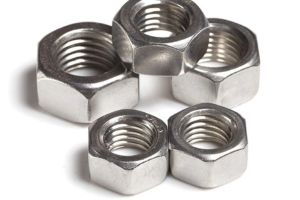
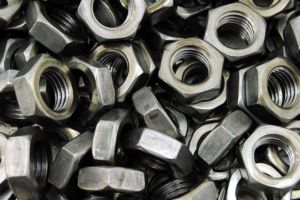
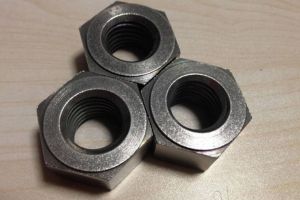
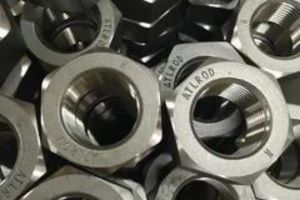
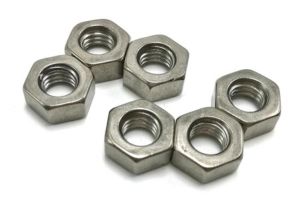
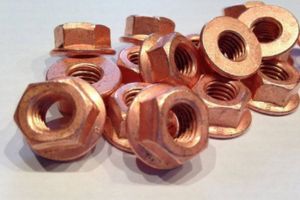
Set out on a path toward unrivaled performance with our Nickel Alloy 201 Nuts, prominently showcased on our product pages. We take pride in delivering a wide selection of premium-grade solutions thoughtfully Custom-built to satisfy the ever-changing demands of numerous industries. Dive into a world of flexibility and reliability with our expertly engineered products, crafted to perform across a wide range of industrial uses. Our Nickel Alloy 201 Nuts feature precise engineering that complies with strict industry standards, ensuring longevity and outstanding resistance to corrosion. As a trusted supplier, we place customer satisfaction first by offering flexible choices, competitive pricing, and rapid delivery. Whether in aerospace, chemical processing, or marine settings, our Nickel Alloy 201 Nuts provide unmatched performance, setting new benchmarks for quality and innovation. Our unwavering commitment to excellence strengthens your operations with dependable solutions, securing success and confidence in every undertaking.
| Standard | ASTM B166 / ASME SB 166 |
| Bolt / Screw Size | M3 – M56 | 3/6″ to 2″ | Custom Sizes |
| Nuts Size | M3 – M56 | 3/6″ to 2″ | Custom Sizes |
| Washers Size | M3 – M56 | 3/6″ to 2″ | Custom Sizes |
| Machine Screws Size | M1.6 – M12 |
| Self Tapping Screw Size | No.2 – No. 14 |
| Length | 3 mm to 200 mm |
| Studs, Bolts, Threads | UNF, BSW, BSF, METRIC, UNC, or as required |
| Threads Configuration | ASME B1.1 2A/3A – 2B/3B Inch Unified Threads and B1.13M 6h-6G Metric Coarse Threads |
| Certification | Dual Certified As per ASTM & ASME Codes |
| Dimensions | DIN 931, 933, 934, 7991, 976, 125, ASME B18.2.1, B18.3 |
| Threads | Unless otherwise specified, the threads shall be rolled or cut and tapped horizontally or vertically |
| Test Certificate of Bolting | as per EN 10204 / 3.1 Manufacturer Test Certificate |
| Element | Density | Melting Point | Tensile Strength | Yield Strength (0.2%Offset) | Elongation |
| Nickel Alloy 201 | 8.9 g/cm3 | 1446 °C (2635 °F) | Psi – 67000 , MPa – 462 | Psi – 21500 , MPa – 148 | 45 % |
| Grade | C | Mn | Si | S | Cu | Fe | Ni |
| Nickel Alloy 201 | 0.02 max | 0.35 max | 0.35 max | 0.01 max | 0.25 max | 0.40 max | 99.0 min |
At Koasteel, we take pride in being the largest supplier and manufacturer in the New Zealand, delivering advanced solutions for every one of your piping requirements. With cutting-edge production facilities strategically positioned in the New Zealand, we hold an extensive stock of more than 25,000 tons of top-quality materials readily on hand.
Reach out to us for a fast quote tailored to your needs.
We supply these Nickel Alloy 201 Nuts in accordance with DIN, ISO, JIS or ANSI Standard.
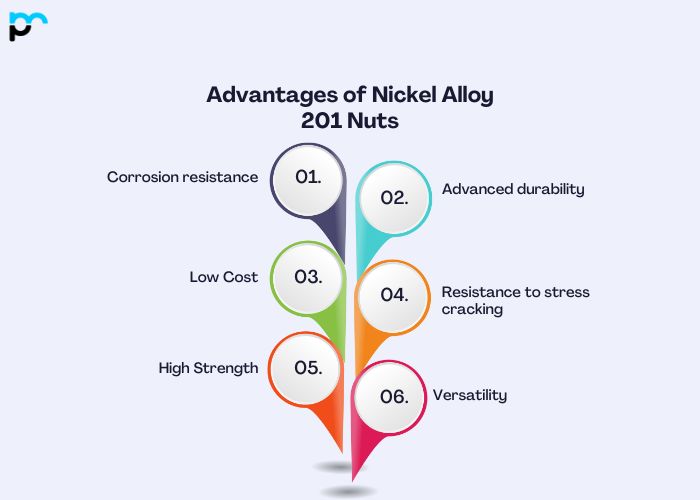
Corrosion resistance: Nickel Alloy 201 nuts demonstrate outstanding corrosion resistance, especially when exposed to alkaline solutions. Thanks to their high nickel content (99.6%), they hold up against a range of corrosive settings, such as acids, alkalies, and neutral salts. This alloy delivers superior protection against both oxidizing and reducing chemicals, which makes it perfect for a wide array of industrial uses.
Advanced durability: Nickel Alloy 201 nuts feature enhanced durability thanks to their high purity nickel makeup (99.6%) and minimal carbon content. They deliver remarkable resistance to corrosion, oxidation, and thermal expansion, guaranteeing long life in tough environments. These nuts preserve their structural integrity and performance even when subjected to extreme temperatures and challenging conditions, boosting dependability across a variety of applications.
Low Cost: Nickel Alloy 201 nuts deliver budget-friendly solutions because their material cost is relatively low when compared with other nickel-based alloys. Combining excellent corrosion resistance and durability, they provide lasting value by cutting down on maintenance and replacement costs. Their affordability makes them a sensible option for a variety of industrial and commercial uses.
Resistance to stress cracking: Nickel Alloy 201 nuts show significant resistance to stress cracking, especially in settings with elevated chloride levels. Their high nickel content (99.6%) and low carbon makeup contribute to this characteristic, making them dependable in applications susceptible to stress corrosion cracking. This guarantees an extended service life and operational integrity in critical settings.
High Strength: Nickel Alloy 201 nuts provide high strength, chiefly because of the solid solution strengthening mechanism that stems from their high nickel content (99.6%). This alloy displays outstanding mechanical properties, such as impressive tensile strength and hardness. It holds its structural integrity under heavy loads, making it well-suited for demanding industrial applications that call for sturdy fastening solutions.
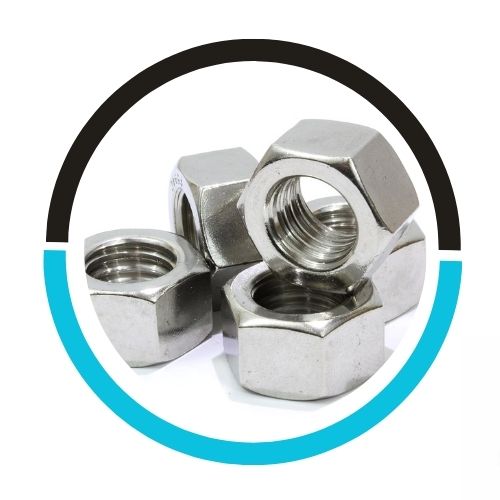
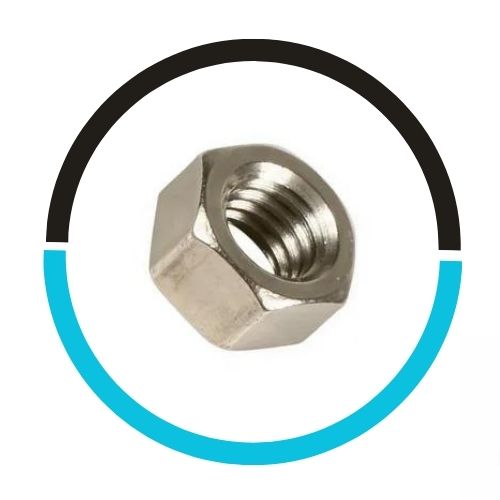
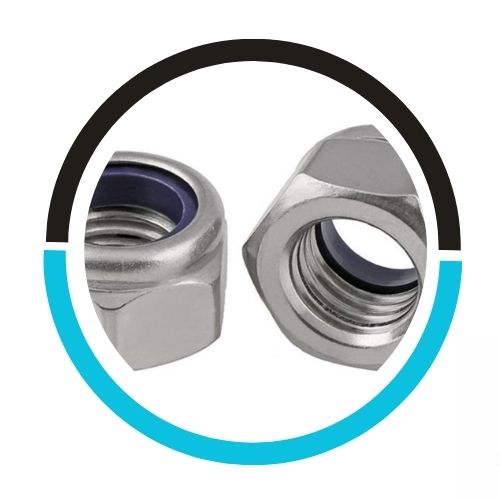
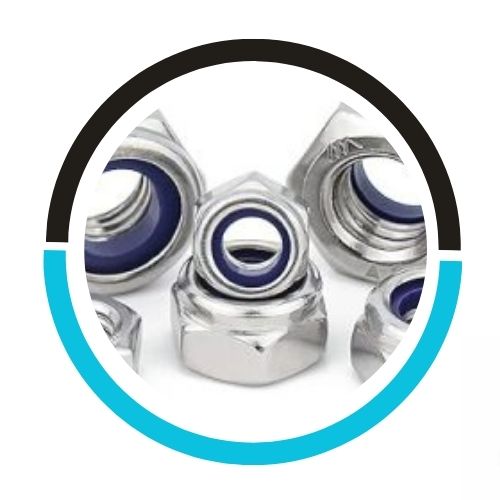
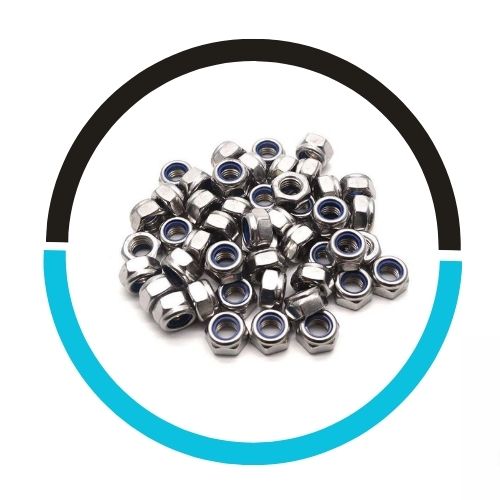
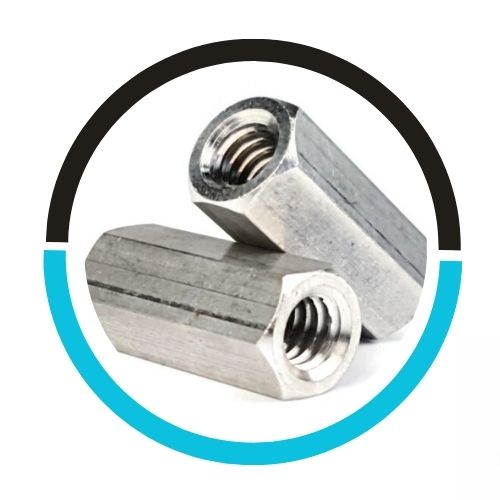
Duplex Steel 201 Nuts serve applications as varied as the industries that use them, led mainly by the aerospace, railway, construction and automotive industries along with petrochemical, nuclear, medical, Oil & Gas, Chemical, Pharmaceutical, Food & Beverage, Nuclear, Thermal Power plants, Paper and Pulp, marine and mining, etc.
Chemical applications:Nickel alloy 201 nuts withstand a wide range of chemicals, which makes them well suited for the chemical industry, where raw materials are prevalent and they can serve in reagents, molds and water out of order.
Electronics:Nickel alloy 201 nuts are employed in electronics manufacturing owing to their strong electrical conductivity and resistance to corrosion. They are built into parts such as connectors, fasteners and terminals.
Aerospace and Defense:Nickel alloy 201 nuts are relied upon by the aerospace and defense sectors for their high strength, corrosion resistance and heat resistance, and they are frequently found in vital components on aircraft, missiles and spacecraft.
Marine applications:Nickel alloy 201 grains are applied in marine settings thanks to their resistance to corrosion in seawater. They are used in shipbuilding, offshore platforms and other marine structures.
Heat exchanger:Nickel alloy 201 nuts are a good fit for heat exchangers because of their outstanding thermal conductivity and strong resistance to thermal corrosion. They help ensure smooth heat transfer in industrial processes.
Nuclear power:Nickel alloy 201 nuts are utilized in reactor components, fuel control systems, and other essential equipment in nuclear power plants, where corrosion resistance and stability at high temperatures are called for the
Understand application requirements: Identify the particular use case in which the fruit will be applied. Take into account the requirements for temperature, pressure, corrosion resistance, and mechanical strength.
Corrosion Resistance: Nickel alloy 201 is recognized for its resistance to corrosion. Take into account contact with chemicals, salt water, acids, or elevated temperatures to evaluate the degree of corrosion resistance your application demands.
Heat Resistance: Nickel Alloy 201 offers outstanding heat resistance, but if your application deals with high temperatures, verify that the grains can endure the heat without sacrificing their mechanical strength or becoming deformed.
Mechanical properties: Take into account the mechanical energy needed for the pulp to carry out its intended purpose. Nickel Alloy 201 provides outstanding mechanical properties at both room and elevated temperatures, but you may need to look at other nickel alloys if your application demands greater strengths.
Size and Thread Type: Be certain that the nuts you select are the correct size and have the appropriate thread type to match the mating bolt or stud in your application
Budget Constraints: While nickel alloy 201 is typically more cost-effective than other nickel alloys, weigh your budget limitations and decide whether using this alloy is economical and whether the concepts in your work remain consistent.
Yes,Nickel Alloy 201 nuts can be recycled. Nickel alloys, such as Nickel Alloy 201, are materials with excellent recyclability. Recycling nickel alloys preserves natural resources while also cutting down on energy use and the environmental effects tied to extracting and processing raw materials. The recycling of nickel alloys generally consists of melting the scrap and reshaping it into new products, which makes it a sustainable option for a range of applications.
Nickel Alloy 201 nuts are well-suited for underground applications thanks to their outstanding corrosion resistance, even in demanding environments. Because they resist both corrosion and oxidation, they are perfect for underground use, where they might encounter moisture, chemicals, and other corrosive substances.
When installing Nickel Alloy 201 nuts, use compatible materials to avoid galvanic corrosion. Make sure they are tightened correctly to prevent galling or seizing. On top of this, keep them clean to avoid contamination. Adhere to the manufacturer’s guidelines regarding torque specifications and assembly methods to get the best performance and longevity across a range of applications.
Nickel Alloy 201 nuts may not be well suited for hygienic and sanitary uses in the food or pharmaceutical sectors because of possible nickel leaching. Rules frequently limit the use of nickel alloys in direct contact with food or pharmaceuticals owing to health concerns. Stainless steel is generally the preferred choice for these applications.
E-mail: sales@koasteel.nz