
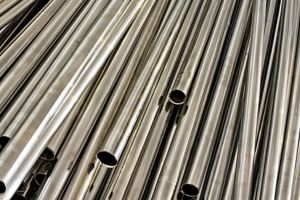
Home > Nickel Alloy > Nickel Alloy 200 Tubing
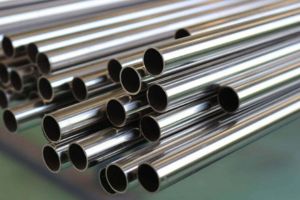
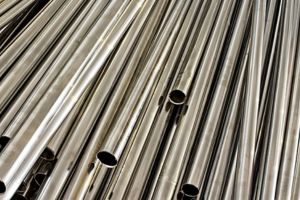
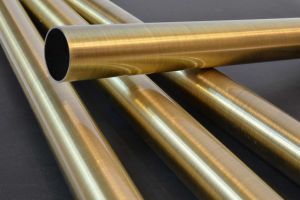
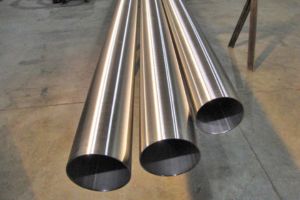
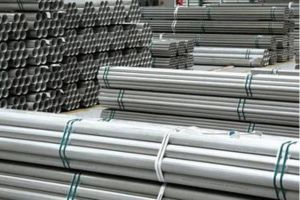
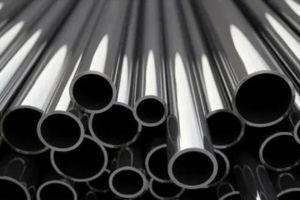
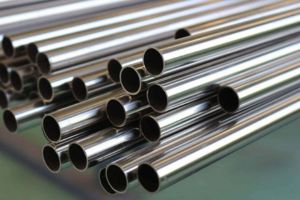
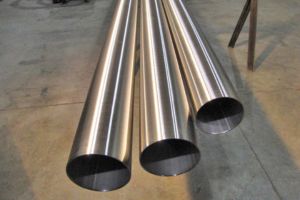
Nickel Alloy 200 tubingare indispensable parts custom-fabricated chiefly from pure nickel, frequently alloyed with minor quantities of additional elements such as copper. renowned for their remarkable corrosion resistance, elevated thermal conductivity, and outstanding electrical conductivity, these tubes serve a required purpose across a wide range of industries including chemical processing, electronics, and marine engineering. Their dependability in enduring corrosive settings and extreme temperatures renders them vital in crucial applications such as chemical reactors and electrical components, where longevity and performance are of the utmost importance.
| ASTM B161 Alloy 200 Tubing Standards | ASTM B161/ ASME SB161, ASTM B725/ ASME SB725 |
|---|---|
| ASTM B161 Alloy 200 Seamless Tube Size | 3.35 mm OD To 101.6 mm OD |
| ASTM B161 Alloy 200 Welded Tube Size | 6.35 mm OD To 152 mm OD |
| ASTM B725 Nickel 200 Tubing Swg & Bwg | 10 Swg., 12 Swg., 14 Swg., 16 Swg., 18 Swg., 20 Swg. |
| Inconel WERKSTOFF NR. 2.4066 Tube wall thickness | 0.020″ –0.220″, (special wall thicknesses available) |
| Inconel UNS N02200 Tubing Length | Single Random, Double Random, Standard & Cut length Tube |
| Inconel WERKSTOFF NR. 2.4066 Tubing Finish | Polished, AP (Annealed & Pickled), BA (Bright & Annealed), MF |
| Form | ‘U’ bent, Hollow, Hydraulic, LSAW, Boiler, Straight Tube, Tube Coil, Round, Rectangular, Square Etc |
| Types of Nickel NW 2200 Tubing | Seamless, ERW, EFW, Welded, Fabricated Tube / Tubing |
| Nickel NW 2200 Tube End | Plain End, Beveled End, Treaded Tube |
| Marking | All ASTM B161 Nickel 200 Tubing are marked as follows: Standard, Grade, OD, Thickness, Length, Heat No. (Or according to the customer’s request.) |
| Application & uses of Nickel 200 Tube | Oil Tube, Gas Tube, Fluid Tube, Boiler Tube, Heat exchanger Tube, |
| Value Added Service | Draw & Expansion as per required Size & Length, Polish (Electro & Commercial) Annealed & Pickled Bending, Machining Etc. |
| Specialize in | ASTM B161 Nickel 200 Capillary Tube & Other Odd Size Nickel NCF 200 Heat Exchanger & Condenser Tube |
| Test Certificate | Manufacturer Test Certificate Laboratory Test Certificate from Govt. Approved Lab. Under Third Party Inspection |
| Manufacturers of Nickel 200 Tube |
|
| We can also cut, thread, and groove Nickel NCF 200 Tube to meet your specifications. Nickel 200 Tube Dimension ANSI/ ASME B36.10, B36.19, B2.1 | |
| Nickel | 99.0 min |
| Iron | 0.40 max |
| Sulfur | 0.01 max |
| Carbon | 0.15 max |
| Manganese | 0.35 max |
| Silicon | 0.35 max |
| Copper | 0.25 max |
| Annealed | MPA | |
| Yield Strength (0.2% offset) psi | 15,000 | 103 |
| Tensile Strength | 55 | 379 |
| Elongation % | 40 |
At Koasteel, we take pride in being the largest supplier and manufacturer in the New Zealand, delivering advanced solutions for every one of your piping requirements. With cutting-edge production facilities strategically situated in the New Zealand, we maintain an extensive inventory of more than 25,000 tons of top-quality materials kept ready in stock.
Reach out to us for a fast quote tailored to your requirement.
We supply these Nickel Alloy 200 Tubing in accordance with DIN, ISO, JIS or ANSI Standard.
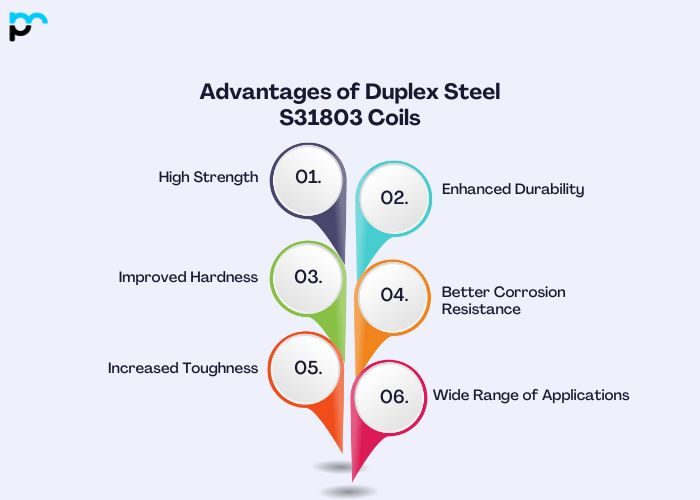
Corrosion Resistance:Nickel Alloy 201 is recognized for its outstanding resistance to corrosion across many different environments, such as alkaline solutions, salt water and acidic conditions Think about the kind of corrosion your tubing will be exposed to and confirm that Nickel Alloy 201 is a good fit for that scenario.
Temperature Resistance:Identify the temperature range in which your tubing will function. Nickel alloy 201 delivers excellent mechanical properties at both high and low temperatures, which makes it appropriate for a broad spectrum of uses. That said, if your application deals with extremely high temperatures, you might have to look into other nickel alloys that offer greater heat resistance.
Mechanical properties:Nickel alloy 201 provides outstanding mechanical properties, such as high tensile strength and good ductility. Assess the equipment demands of your application to confirm that the tubing can handle the required loads and stresses.
Fabrication Requirements:Take into account how easily nickel alloy 201 tubing can be fabricated and welded for your particular application. Nickel alloy 201 lends itself to straightforward welding with standard welding methods, which makes it appropriate for numerous applications.
Cost Consideration:Examine the price of nickel alloy 201 tubing in relation to alternative materials. While nickel alloys tend to cost more than certain other materials, the outstanding corrosion resistance and long-lasting nature of nickel alloy 201 can make the investment worthwhile in select materials worth it
Availability and Supplies:Make sure the nickel alloy 201 tubing is easily obtainable from dependable suppliers so it can satisfy your specifications and requirements Take into account how stable the supply chain is and the possible timing of your pipeline.
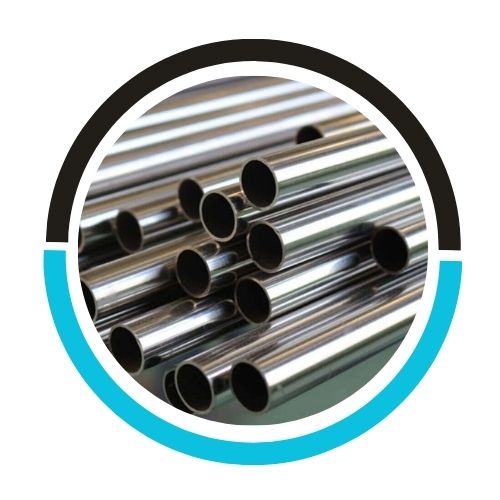
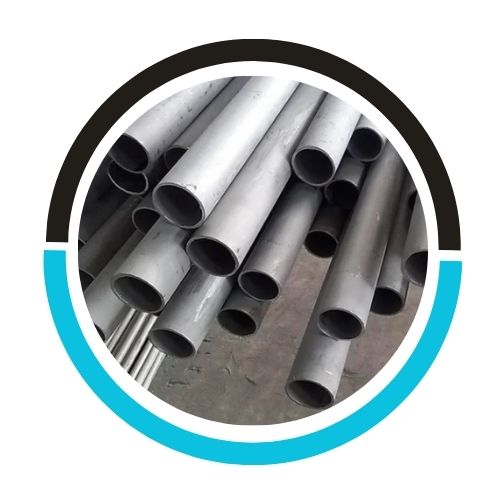
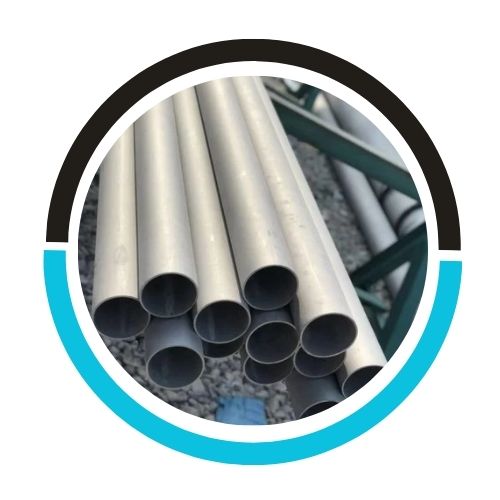
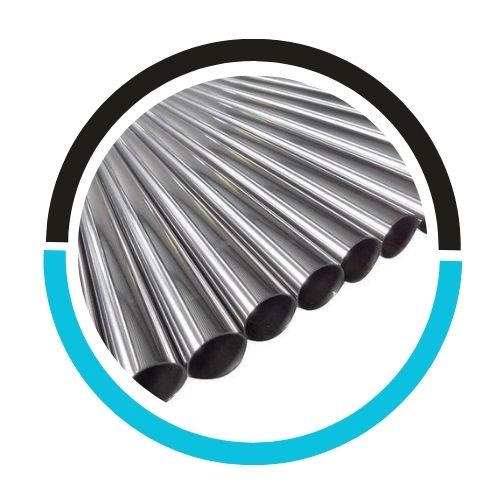
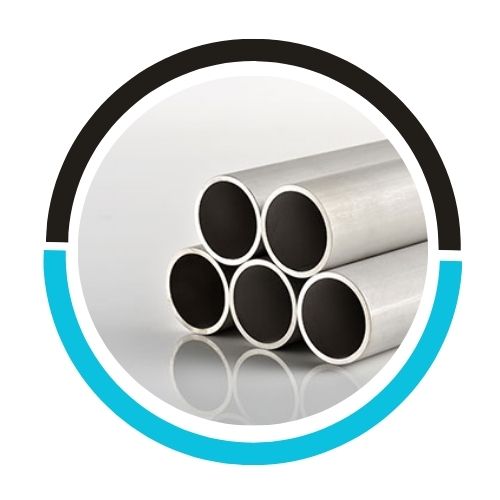
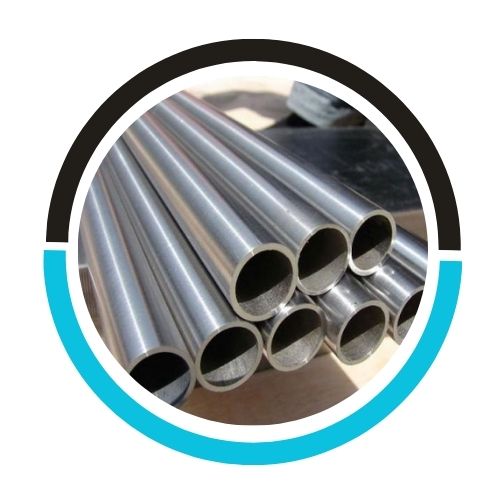
Nickel Alloy 200 Tubing uses are as varied as the sectors they support, led mainly by the aerospace, railway, construction and automotive industries alongside petrochemical, nuclear, medical, Oil & Gas, Chemical, Pharmaceutical, Food & Beverage, Nuclear, Thermal Power plants, Paper and Pulp, marine and mining, etc.
Chemical applications: Nickel alloy 200 tubing is frequently applied in chemical processing plants where withstanding corrosive substances like acids and bases matters. It serves in reactors, heat exchangers, and various other process equipment.
Electronics: Because of its strong electrical conductivity and resistance to corrosion, alloy 200 tubing finds use in electronics production, particularly in cases where electrical conductivity matters, such as connectors and copper rods
Heat exchangers: Nickel alloy 200 tubing works well for heat exchangers running in tropical or high-temperature settings, like refineries and gas stations.
Aerospace: In aerospace uses where parts must endure severe conditions and environmental corrosion, nickel alloy 200 tubing may serve in fuel lines, hydraulic systems and engine components
Marine applications: Its resistance to seawater corrosion makes Alloy 200 tubing well suited for marine uses, including pipeline systems, heat exchangers and desalination plants
Power applications: Alloy 200 tubing is applied in power plants, including nuclear power plants, where it serves in heat exchangers, hot water boilers, and other critical applications in
Chemical compatibility: Nickel Alloy 200 is recognized for its ability to withstand a variety of corrosive substances, such as acids, alkalis and neutral salts. Nevertheless, it is essential to verify that the tubing material matches the precise chemical it will come into contact with in your application.
Temperature and Pressure Requirements: Take into account the temperature and pressure conditions the tubing will face during operation. Nickel alloy 200 offers outstanding mechanical properties at both high and low temperatures, which makes it appropriate for a broad array of applications. Confirm that the tubing can handle your system’s heat and pressure without deforming or failing.
Size and Dimensions: Define the tubing size, thickness and wall thickness specifications according to your application needs. Nickel alloy 200 tubing comes in a range of shapes and sizes, including round, square and rectangular, so pick the option that best fits your requirements.
Construction Requirements: Account for particular fabrication needs like bending, welding, or machining. Nickel Alloy 200 is simple to fabricate and weld with standard methods. Even so, it is important to make certain that the tubing can be produced in the shape and configuration you want for your application.
Cost Considerations: Weigh the cost of nickel alloy 200 tubing against other materials and factor in the expense across the entire lifespan of the tubing, including installation, maintenance, and replacement costs.
Nickel Alloy 200 tubingis generally dimensioned according to its outer diameter (OD) and wall thickness, usually stated in inches or millimeters. Standard dimensions span from small diameters for precision uses to larger diameters for industrial purposes, providing flexibility across a range of heat- and corrosion-resistant applications.
Nickel Alloy 200 Tubes generally do not need corrosion protection coatings because of their built-in resistance to corrosion across a range of environments, including acids and alkalis. That said, coatings might be applied for particular uses or to improve other characteristics like wear resistance or thermal insulation.
Nickel Alloy 200 Tubesshow excellent resistance to high temperatures and thermal expansion, making them well-suited for a range of high-temperature uses such as chemical processing, aerospace, and power generation. They retain their mechanical properties at elevated temperatures and provide good thermal conductivity, making them ideal for demanding environments.
Yes,Nickel Alloy 200 Tubes can be joined through standard welding methods like gas tungsten arc welding (GTAW) or gas metal arc welding (GMAW). That said, applying suitable pre- and post-weld heat treatments is advised to reduce the chance of cracking and to guarantee peak performance of the welded joints.
Email: sales@koasteel.nz