
Home > Nickel Alloy> Nickel Alloy 200 Nuts
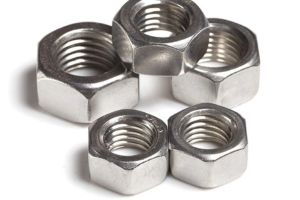
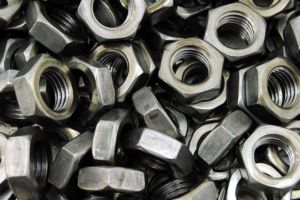
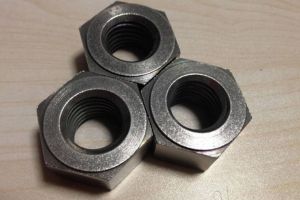
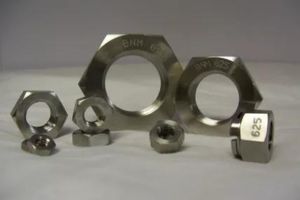
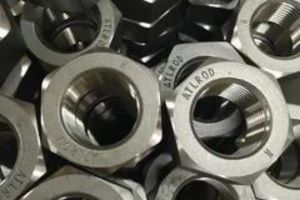
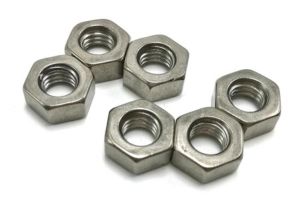
Nickel Alloy 200 Nutsare fasteners crafted from Nickel 200, a commercially pure wrought nickel alloy recognized for its outstanding corrosion resistance across a range of environments, including acids, alkalis, and neutral salts. These nuts are commonly employed in applications demanding high degrees of corrosion resistance, such as the chemical processing, marine, and aerospace industries.
| Dimensions | ASTM, BS, IS |
|---|---|
| Specifications | ASTM / ASME SB 160 / 164 / 425 / 166 / 446 / 574 / 472 |
| Grade | Nickel 200 UNS N02200, Nickel 201 UNS N02201 |
| Size | M02 to M30 |
| Length | 3 mm To 200 mm |
| Element | Density | Melting Point | Tensile Strength | Yield Strength (0.2%Offset) | Elongation |
| Nickel 200 | 8.9 g/cm3 | 1446 °C (2635 °F) | Psi – 67000 , MPa – 462 | Psi – 21500 , MPa – 148 | 45 % |
| Nickel 200 | Ni | C | Mo | Mn | Si | Fe | P | S | Cu | Cr |
| 99.0 min | 0.15 max | – | 0.35 max | 0.1 max | 0.4 max | – | 0.01 max | 0.25 max | – |
At Koasteel, we’re proud to be the largest supplier and manufacturer in the New Zealand, delivering advanced solutions for every piping requirement you have. With cutting-edge manufacturing facilities strategically situated in the New Zealand, we maintain an extensive stock of more than 25,000 tons of top-quality materials available on hand.
Reach out to us for a fast quote tailored to your requirement.
These Nickel Alloy 200 Nuts are supplied by us in accordance with DIN, ISO, JIS or ANSI Standard.
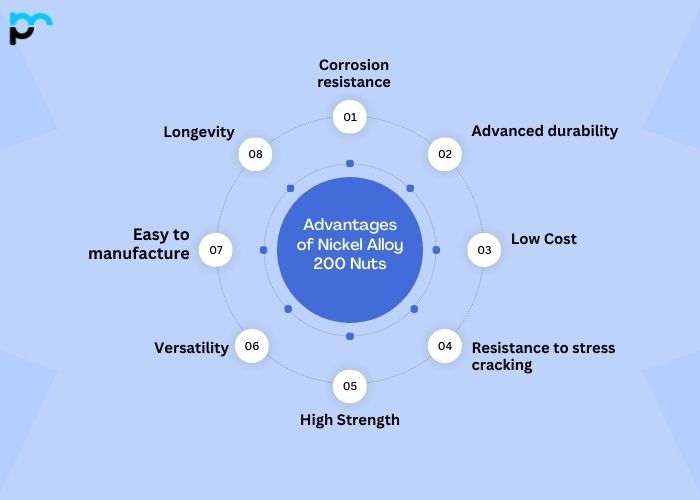
Corrosion Resistance:Nickel Alloy 200 Nuts demonstrate outstanding resistance to corrosion across a broad spectrum of corrosive settings, such as acids, alkalis, and saltwater, which makes them well-suited for deployment in severe and corrosive conditions.
Low Cost:When measured against other nickel-based alloys, Nickel Alloy 200 Nuts are comparatively affordable, offering a budget-friendly option for applications that call for corrosion resistance combined with high strength.
High Strength:Nickel Alloy 200 Nuts deliver high tensile strength along with solid mechanical properties, guaranteeing dependable performance and longevity in challenging applications where strength is a key requirement.
Versatility:These nuts are extremely adaptable and find use across numerous industries and applications, such as chemical processing, marine, aerospace, and electrical engineering, owing to their blend of corrosion resistance, strength, and adaptability.
Longevity:Nickel Alloy 200 Nuts enjoy an extended service life thanks to their ability to withstand corrosion, wear, and deterioration over time, delivering long-lasting and dependable fastening solutions that call for little upkeep and replacement.
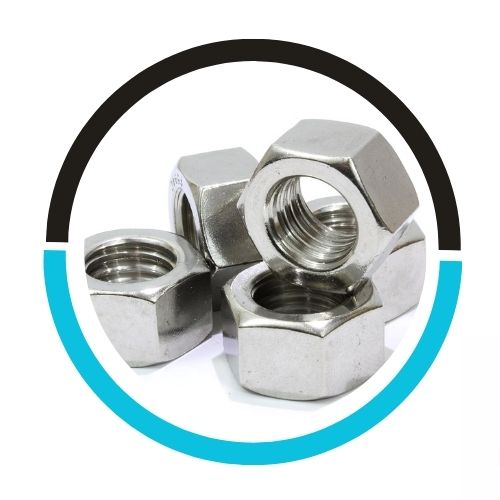
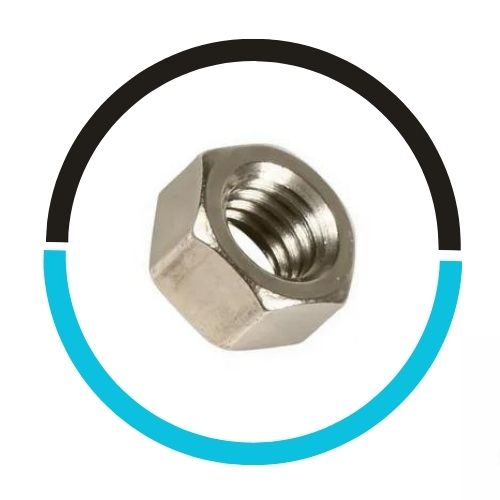
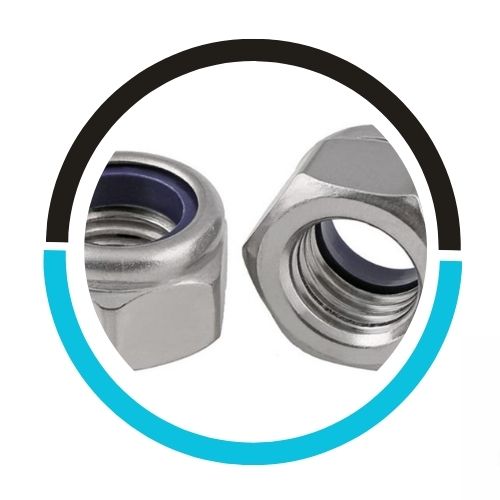
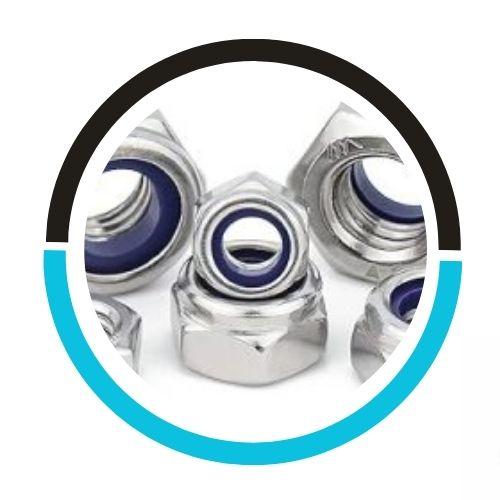
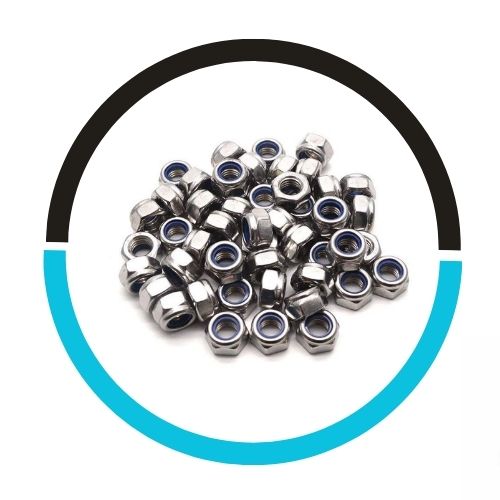
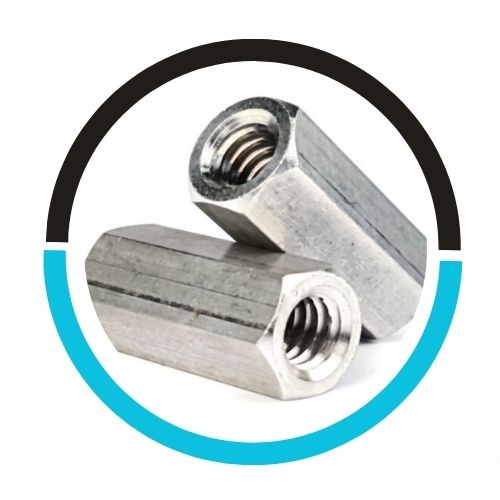
Nickel Alloy 200 Nuts are extensively employed across numerous industries and applications owing to their outstanding corrosion resistance, stability at high temperatures, and electrical conductivity. Typical uses encompass chemical processing equipment, marine hardware, electrical and electronic components, aerospace structures, and high-temperature furnace parts. These nuts are also applied in settings where acidic or caustic solutions exist, such as in chemical plants, pharmaceutical manufacturing, and food processing equipment.
Chemical Processing:Nickel Alloy 200 Nuts are extensively utilized in chemical processing equipment like reactors, vessels, and piping systems because of their outstanding resistance to corrosion from a broad spectrum of chemicals and acids.
Electrical Engineering:These nuts are frequently used in electrical engineering applications, such as electrical connectors, terminals, and circuitry components, owing to their strong electrical conductivity and minimal electrical resistivity.
Aerospace Industry:Nickel Alloy 200 Nuts are applied in the aerospace sector for securing components and structures within aircraft, spacecraft, and satellites, where their blend of strength, corrosion resistance, and lightweight characteristics proves beneficial.
Marine Applications:Because of their exceptional resistance to corrosion in seawater and marine settings, Nickel Alloy 200 Nuts are employed in marine equipment, offshore platforms, and shipbuilding applications.
Heat Exchangers:These nuts are used in heat exchangers and condensers across numerous industries, such as power generation, petrochemical, and HVAC systems, where they deliver dependable performance in high-temperature and corrosive conditions.
Oil and Gas Industry:Nickel Alloy 200 Nuts are used in oil and gas processing equipment like valves, pumps, and piping systems, where they provide resistance to corrosion caused by sour gases, acids, and chloride-bearing fluids.
Electronics and Telecommunications:These nuts are applied in electronic and telecommunications equipment, such as antennas, waveguides, and satellite systems, thanks to their superb electrical conductivity and resistance to electromagnetic interference.
Medical Devices:Nickel Alloy 200 Nuts are used in medical devices and equipment, such as surgical instruments, implants, and medical imaging systems, where biocompatibility, corrosion resistance, and sterilizability are vital properties.
Corrosion Resistance:Assess the environmental conditions where the nuts will be deployed, including contact with chemicals, acids, alkalis, and corrosive gases. Nickel Alloy 200 Nuts provide outstanding resistance to corrosion, making them well-suited for a broad spectrum of corrosive settings.
Temperature Range:Take into account the operating temperature range of the application. Nickel Alloy 200 Nuts demonstrate strong thermal stability and maintain their mechanical properties at high temperatures, making them appropriate for high-temperature uses.
Mechanical Properties:Evaluate the mechanical demands of the fastening application, including tensile strength, yield strength, and hardness. Nickel Alloy 200 Nuts deliver good ductility and formability, together with high strength, making them fit for a variety of mechanical applications.
Electrical Conductivity:When electrical conductivity is a crucial consideration in the application, Nickel Alloy 200 Nuts are a superb option thanks to their high electrical conductivity and low electrical resistivity.
Magnetism:Establish whether magnetic properties pose a concern in the application. Nickel Alloy 200 Nuts are generally non-magnetic at room temperature, which can be beneficial in specific applications where magnetic interference must be kept to a minimum.
Weldability:Think about whether the nuts will require welding during assembly. Nickel Alloy 200 Nuts are easily weldable with standard welding methods, permitting straightforward fabrication and assembly.
Standards and Specifications:Confirm that the Nickel Alloy 200 Nuts comply with applicable industry standards and specifications, such as ASTM or ASME, to ensure quality and performance.
Supplier Reputation:Select a trustworthy supplier with a proven history of delivering high-quality Nickel Alloy 200 Nuts and outstanding customer service. Check certifications, quality control procedures, and customer reviews before completing a purchase.
Yes, Nickel Alloy 200 Nuts can be recycled. Nickel-based alloys, such as Nickel Alloy 200, are materials with excellent recyclability. Recycling these nuts entails gathering and treating scrap or leftover material to recover the nickel content, which can subsequently be reused when manufacturing new alloys or products.
Yes, Nickel Alloy 200 Nuts is suitable for underground applications. Nickel Alloy 200 provides outstanding corrosion resistance, making it well-suited for environments where contact with moisture, soil, and other underground conditions can cause corrosion.
When installing Nickel Alloy 200 Nuts, there are several factors worth keeping in mind. First, verify that the nuts suit the materials and conditions around them, especially with regard to resistance against corrosion. The correct torque values should be observed as you install them to avoid over-tightening, since that can cause the nuts to deform or become damaged.
Nickel Alloy 200 Nutsare offered in a variety of configurations to meet different fastening requirements. These configurations include hex nuts, heavy hex nuts for added strength, nylon insert lock nuts for resistance to vibration, jam nuts to lock primary nuts in place, and flange nuts for spreading load uniformly. Additional types include wing nuts for tightening by hand, square nuts for specialized uses, cap nuts for a polished look, coupling nuts for connecting threaded rods, and weld nuts for permanent mounting.
Mail: sales@koasteel.nz