
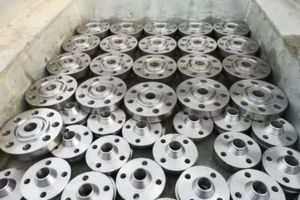
Home > Low Temperature Carbon Steel lF1 Flanges
Uncover superior quality in low-temperature carbon steel LF1 flanges throughout our product pages, showcasing an extensive selection of premium solutions crafted to meet varied industrial requirements. Engineered with precision for lasting durability, our LF1 flanges meet rigorous industry standards, guaranteeing strength and dependability across every use case. Being a reliable supplier, we place customer satisfaction first, providing adaptable options, competitive rates, and accelerated delivery. Whether for construction, infrastructure, or industrial ventures, our LF1 flanges provide exceptional performance, boosting system integrity through unwavering quality and innovation. Advance your projects with our reliable solutions, supported by an unwavering dedication to excellence.
| Size Chart | 1/2″ to 48″ |
|---|---|
| Pressure Rating ANSI | 1500 LBS, 600 LBS, 300 LBS, 900 LBS, 150 LBS, 2500 LBS |
| UNI | 25Bar 16Bar 6Bar 10Bar 40Bar |
| Pressure Calculation in DIN | 25Bar 40Bar 6Bar 10Bar 16Bar / PN64 PN40 PN16 PN25 PN10 PN6 |
| JIS | 40 K, 20 K, 5K, 10 K, 63 K, 30 K, 16 K |
| Coating | Oil Black Paint, Anti-rust Paint, Yellow Transparent, Zinc Plated, Cold and Hot Dip Galvanized |
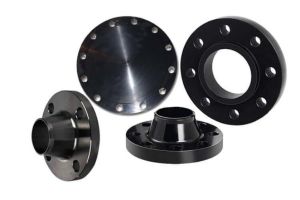
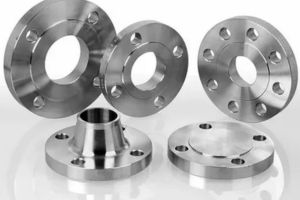
| Most common types | Threaded / Forged / Screwed / Plate |
| Production technique |
|
| Connect Types/ Flange Face Types Manufacturer | Large Male-Female, RTJ, Flat Face, Lap-Joint Face, Small Male-Female, Raised Face, Small Tongue, Large Tongue & Groove |
| EN | 25Bar 6Bar 10Bar 40Bar 16Bar |
| Test | Direct-reading Spectrograph, UI trasonic flaw detector, X-ray detector, Hydrostatic testing machine, Magnetic particle detector |
| Equipment | electric bevelling machine, Pushing Machine, Press machine, Bending machine, Sand-blasting machine etc |
| Origin | Indian / West Europe / Japan / USA / Korean |
| Manufacturer of | GOST, BS, AS2129, AWWA, ANSI DIN, JIS, UNI, EN, SABS, NFE etc. |
| Grade | C | Mn | P | S | Si | Ni | Ch | Mo | Cb |
| F1 | 0.28 | 0.60 – 0.90 | 0.045 | 0.045 | 0.15 – 0.30 | – | – | 0.44-0.65 | – |
| Grade | Tensile Strength (MPa) min | Yield Strength 0.2% Proof (MPa) min | Elongation (% in 50mm) min | Hardness | |
| Rockwell B (HR B) max | Brinell (HB) max | ||||
| F1 | 485 | 275 | 20 | – | 143-192 |
At Koasteel, we’re proud to be the largest supplier and manufacturer in the New Zealand, delivering advanced solutions for every one of your piping requirements. With modern production facilities strategically situated in the New Zealand, we maintain an extensive inventory of more than 25,000 tons of top-quality materials kept ready in stock.
Reach out to us for a fast quote tailored to your needs.
We supply these Low-Temperature Carbon Steel LF1 Flanges in accordance with DIN, ISO, JIS or ANSI Standard.
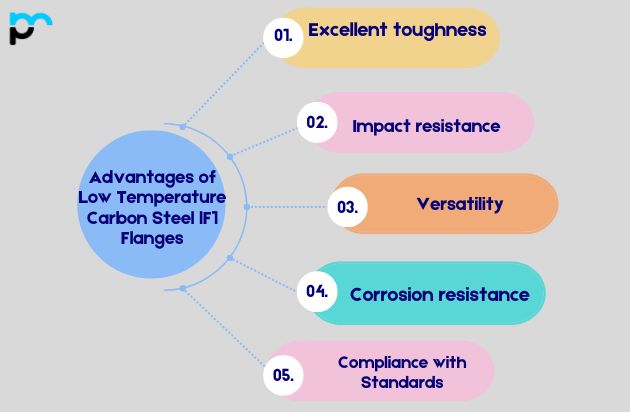
Excellent toughness: LF1 flanges are purpose-built for low-temperature service and demonstrate outstanding toughness even under cryogenic conditions.
Impact resistance: Delivers enhanced impact resistance, making it well-suited for settings where abrupt temperature shifts or mechanical shocks might arise.
Corrosion Resistance: The LF1 flange offers superb corrosion resistance in low-temperature settings, guaranteeing lasting reliability and durability.
Compliance with Standards: Built to ASTM A350 LF1 specifications, these flanges comply with industry standards, ensuring quality and reliability.
Versatility: LF1 flanges are adaptable and serve a range of industries, including oil and gas, chemical processing and cryogenic storage.
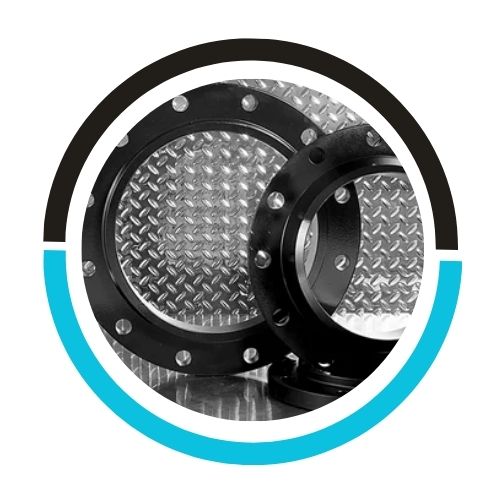
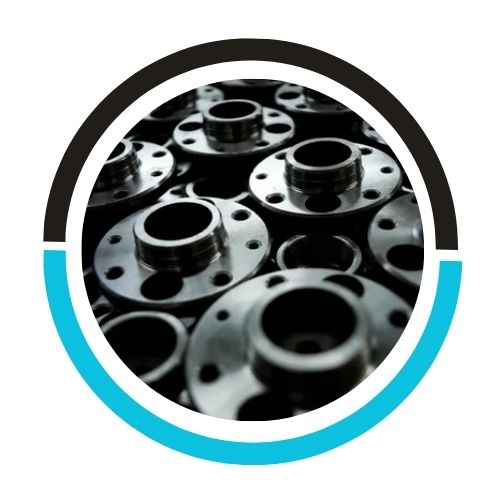
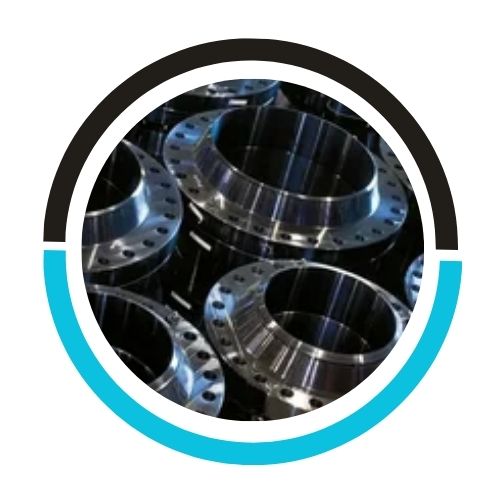
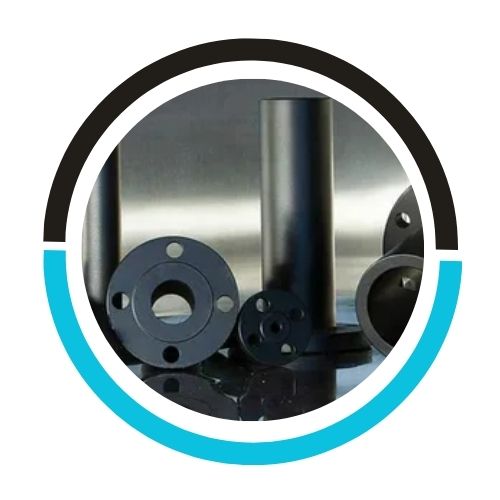
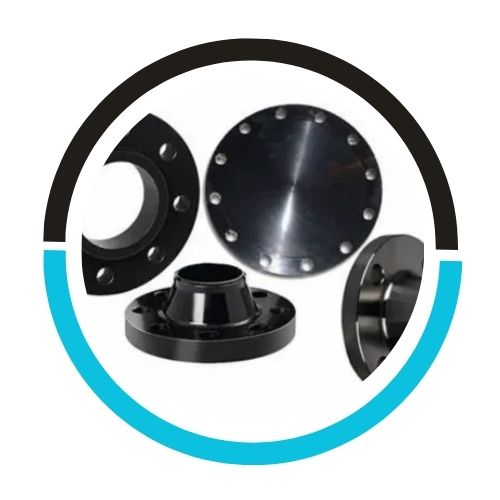
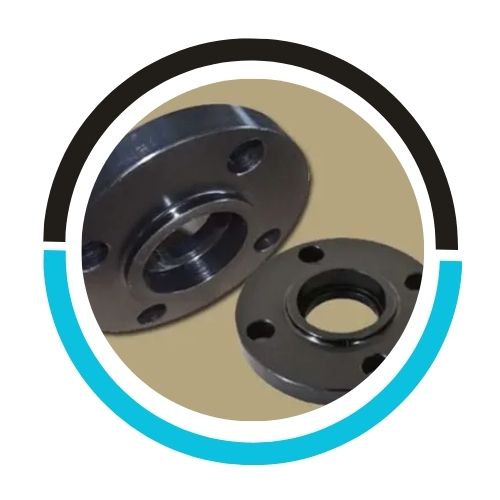
Low-Temperature Carbon Steel LF1 Flanges see uses as varied as the sectors they support, led chiefly by the aerospace, railway, construction and automotive sectors along with petrochemical, nuclear, medical, Oil & Gas, Chemical, Pharmaceutical, Food & Beverage, Nuclear, Thermal Power plants, Paper and Pulp, marine and mining, etc.
Yes, low-temperature carbon steel LF1 flanges are recyclable once their service life ends. Carbon steel offers excellent recyclability, and the material keeps its characteristics across many recycling cycles. Recycling LF1 flanges contributes to preserving natural resources, lowering energy use, and cutting down on waste, which makes it an eco-friendly and sustainable option for manufacturing and industrial uses, even under low-temperature conditions.
To keep low-temperature carbon steel LF1 flanges in good condition, inspect them at regular intervals for indications of corrosion, damage, or wear. Clean them often to clear away dirt, debris, and corrosive materials. Use protective coatings or treatments when necessary to boost corrosion resistance. Confirm correct installation and tightening to avoid leaks. Keep track of operating conditions so you can spot any irregularities and resolve them quickly to prevent problems.
Low-temperature carbon steel LF1 flanges are weldable when suitable welding methods and procedures are applied. That said, attention should be paid to avoiding too much heat input, as this can cause embrittlement or diminished toughness, particularly in low-temperature settings. To preserve the mechanical properties of LF1 flanges following welding, preheating and post-weld heat treatment might be required.
Low-temperature carbon steel LF1 flanges can be prone to galvanic corrosion when they contact dissimilar metals in electrolyte environments. Adequate insulation or the use of compatible materials can help reduce galvanic corrosion risks. Furthermore, applying protective coatings or employing corrosion-resistant alloys can offer additional protection against galvanic corrosion.
Email Address: sales@koasteel.nz