
Home > Duplex Steel > Duplex Steel Tubes S31803
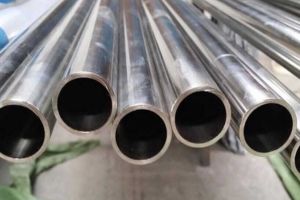
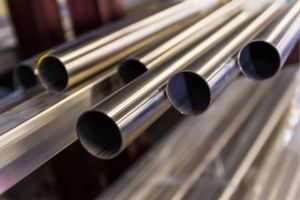
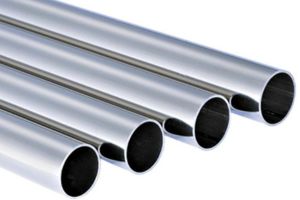
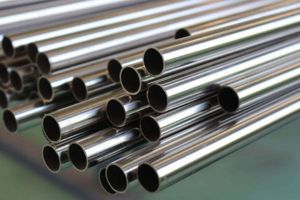
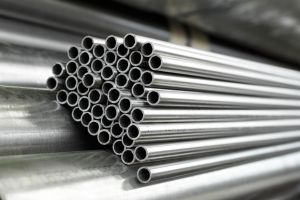
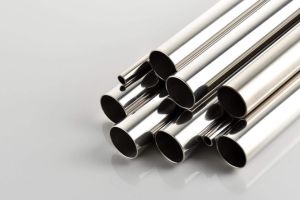
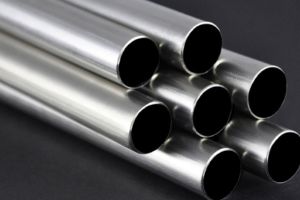
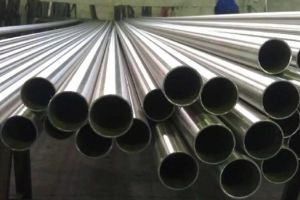
Duplex Steel Tubes S31803represent a peak in corrosion-resistant tubing, custom-manufactured from a duplex stainless steel composition that combines the strong attributes of both austenitic and ferritic microstructures. Celebrated for their impressive strength, exceptional corrosion resistance, and enduring durability, these tubes serve as a foundation across numerous industries. Whether it involves handling the tough environments of chemical processing, the demands of oil and gas exploration, the difficulties of marine engineering, or the complexities of construction projects, Duplex Steel Tubes S31803 reliably provide dependable performance when confronted with severe environmental conditions, guaranteeing reliability where it counts most.
| Specifications | : | ASTM A789 ASME SA789 |
| Dimensions | : | ASTM, ASME and API |
| Tube Size | : | 1/2″NB TO 12 “NB IN |
| Specialized in | : | Large Diameter Size |
| Schedule | : | SCH20, SCH30, SCH40, STD, SCH80 |
| Type | : | Seamless / ERW / Welded / Fabricated |
| Form | : | Round, Hydraulic Etc |
| Length | : | Single Random, Double Random & Cut Length. |
| End | : | Plain End, Beveled End, Treaded |
| S31803 | C | N | P | Si | Mn | Mo | Fe | Cr | S | Ni |
| 1.0 | 0.03 | 0.02 | 2.0 | 3.0 – 3.5 | 22.0 – 23.0 | 0.03 | 4.5 – 6.5 | 0.14 – 0.2 | Bal |
| S31803 | Density | Melting Point | Yield Strength (0.2%Offset) | Tensile Strength | Elongation |
| 7.8 g/cm3 | 1350 °C (2460 °F) | Psi – 80000 , MPa – 550 | Psi – 116000 , MPa – 800 | 15 % |
At Koasteel, we take pride in being the largest supplier and manufacturer in the New Zealand, delivering innovative solutions for all your piping requirements. With advanced production facilities strategically situated in the New Zealand, we maintain an extensive inventory of more than 25,000 tons of top-quality materials kept ready in stock.
Reach out to us for a fast quote tailored to your needs.
These Duplex Steel Tubes S31803 are supplied by us in accordance with DIN, ISO, JIS or ANSI Standard.
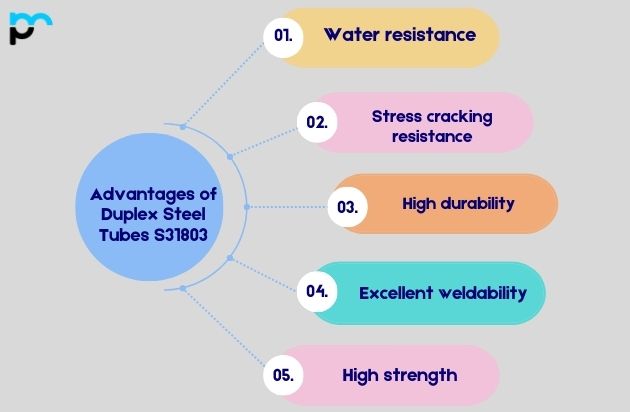
Water resistance: Duplex steel wires offer outstanding resistance to corrosion, particularly in harsh conditions like chloride-bearing water, acidic solutions, and seawater. This capability comes from the austenite and ferritic microstructures found in duplex stainless steel . . . .
Stress cracking resistance: Compared to austenitic stainless steel, duplex stainless steel tubes provide superior resistance to stress corrosion cracking, notably in chloride-rich settings. Because of this, they work well for offshore and marine uses within the functional area.
High durability: Duplex steel containers additionally maintain strong durability at low temperatures, making them appropriate for cryogenic settings or situations demanding impact resistance
Excellent weldability: With the right welding methods, Duplex stainless steel tubes can be welded with ease. This eases production and upkeep, cutting down on manufacturing and machining time.
High strength: Duplex steel tubes have greater strength than standard austenitic stainless steel. As a result, tube walls can be thinner, lowering weight and cost while preserving system integrity, which makes them well suited for applications where strength-to-weight ratios matter.
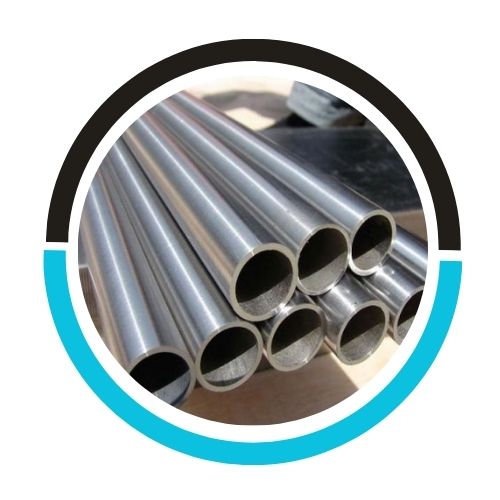
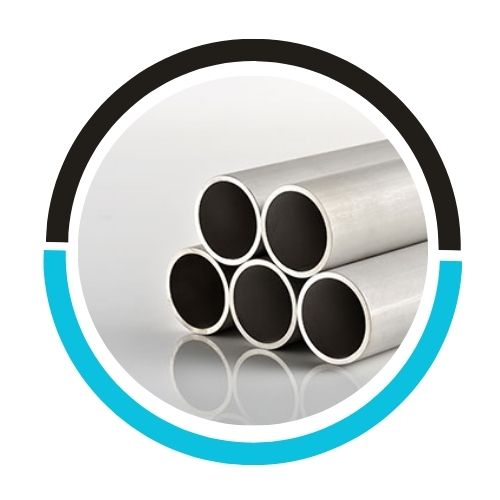
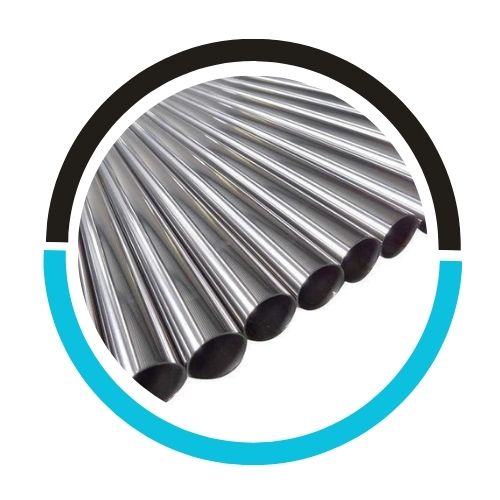
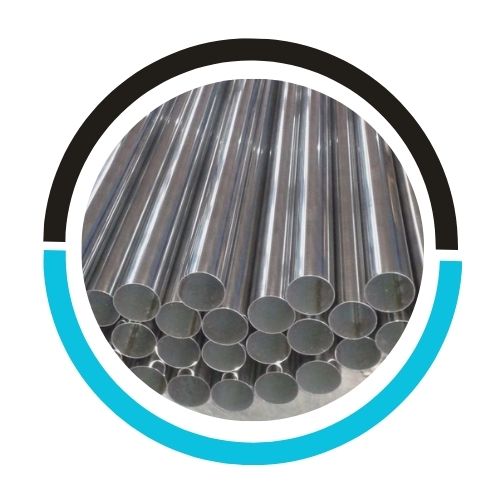
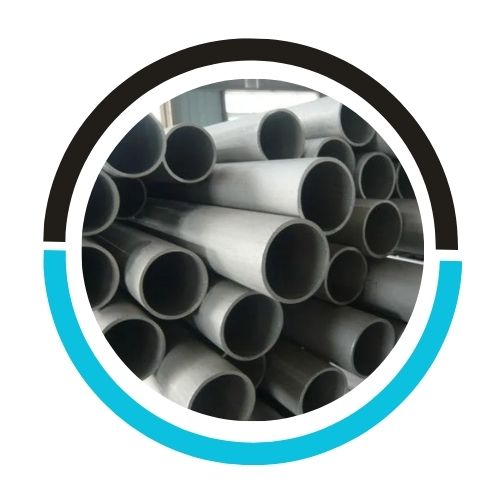
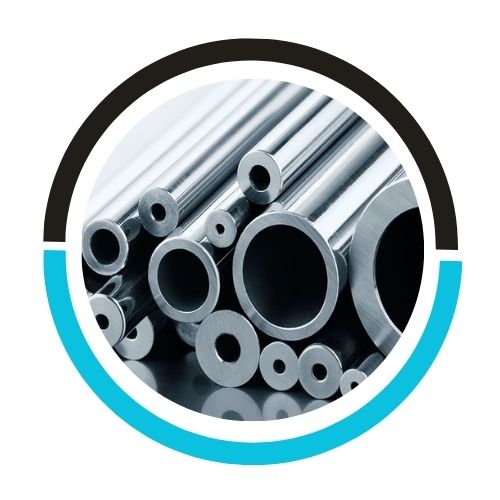
Duplex Steel Tubes S31803 have applications as varied as the industries they serve, driven mainly by the aerospace, railway, construction and automotive industries along with petrochemical, nuclear, medical, Oil & Gas, Chemical, Pharmaceutical, Food & Beverage, Nuclear, Thermal Power plants, Paper and Pulp, marine and mining, etc.
Materials:Learn about the characteristics of duplex stainless steel S31803. Duplex stainless steel offers enhanced corrosion resistance and strength when compared to conventional austenitic or ferritic stainless steel.
Size and Design: Identify the necessary size, thickness, and wall thickness of duplex steel tubes according to the application and design requirements. Take into account variables like pressure levels and the flow rates needed.
Technical Properties: Assess how S31803 duplex steel performs, covering its tensile strength, strength, and impact resistance. These characteristics matter for making sure the tubes can endure operating conditions.
Corrosion Resistance: S31803 Examine the corrosion resistance of duplex steel tubes under particular usage conditions. Track the presence of variables like temperature, pH, chloride levels, and other corrosive agents.
Function: Indicate the recommended application of double-sided steel pipes. Duplex steel S31803 is frequently applied in sectors like oil and gas, chemical processing, marine environments and desalination facilities owing to its corrosion resistance and mechanical properties.
Yes,duplex steel tubes S31803 can be joined using widely applied welding methods including TIG (GTAW), MIG (GMAW), and SMAW (stick welding). Nevertheless, particular care must be exercised to manage heat input and reduce the chance of forming detrimental phases, while making sure that appropriate post-weld heat treatment is carried out.
To keep duplex steel tubes S31803 in good condition, clean them routinely using a gentle detergent and water, steering clear of aggressive chemicals. Periodically check for any indications of corrosion or damage. Apply cathodic protection in settings prone to corrosion. Provide adequate support to guard against stress corrosion cracking. Adhere to the manufacturer’s instructions for upkeep and inspections.
Yes,Duplex steel tubes S31803 can exhibit magnetic behavior because their microstructure contains both austenite and ferrite phases. It is the ferritic phase that gives rise to the magnetic properties, enabling them to be drawn to a magnet. That said, how strong the magnetism is can differ based on factors like composition, processing, and heat treatment.
Duplex steel tubes S31803 demonstrate outstanding corrosion resistance across a wide range of environments, such as those with chloride, sulfide, and acidic solutions present. Nevertheless, they may still undergo corrosion when subjected to extreme conditions or extended contact with aggressive media. Careful material choice, upkeep, and corrosion prevention steps can reduce these risks.
Email: sales@koasteel.nz