
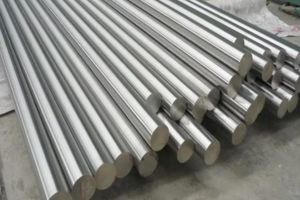
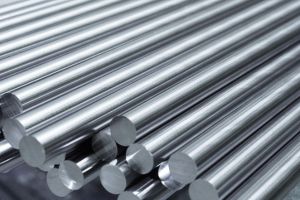
Home > Alloy Steel > Alloy 20 Bars
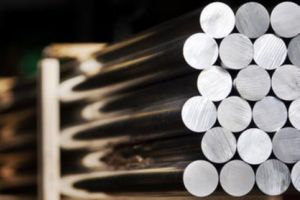
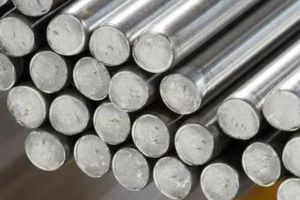
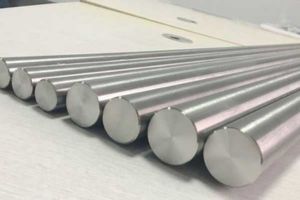
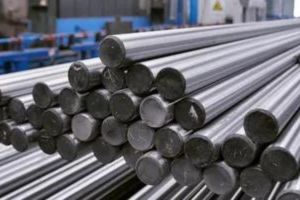
Our firm is highly skilled in providing an extensive selection of Alloy 20 Bars, procured from respected suppliers recognized for their exceptional alloy production. Such bars play a vital role in the manufacturing of numerous parts, delivering versatility in dimensions, grades, and specifications to satisfy varied client requirements. Sought after extensively across chemical, pharmaceutical, and food processing sectors, our top-tier Alloy 20 Bars are praised for their remarkable ability to withstand corrosion, especially within acidic settings. Adding nickel, chromium, and molybdenum boosts the alloy’s toughness and steadiness, guaranteeing superb mechanical characteristics and dependability throughout a wide array of uses.
Specification : ASTM B473 / ASME SB473
Dimensions : EN, DIN, JIS, ASTM, BS, ASME, AISI
Size : 4 mm To 350 mm DIA
Length : 100 mm To 3000 mm Long & Above
Diameter : 20 – 320mm
Tolerance : H8, H9, H10, H11, H12, H13K9, K10, K11, K12 or according to customer specifications
Finish : Black, Bright Polished, Rough Turned, NO.4 Finish, Matt Finish, BA Finish
Grade : Alloy 20 (UNS No. N08020)
Form : Round, Square, Hex (A/F), Rectangle, Billet, Ingot, Forging Etc.
Surface : Hot Rolled Pickled or Sand Blasting Finished, Cold Drawn, Bright, Polished, Hairline
Condition : Cold Drawn Polished, Cold Drawn Centreless Ground & Polished.
Our Alloy 20 Round Bars comply with NACE MR0175/ISO 15156
| Density | Melting Point | Tensile Strength | Yield Strength (0.2%Offset) | Elongation |
| 8.1 g/cm3 | 1443 °C (2430 °F) | Psi – 80000 , MPa – 551 | Psi – 35000 , MPa – 241 | 30 % |
| Grade | Ni | Fe | Cr | Cu | Mo | Nb | C | Mn | P | S | Si |
| Alloy 20 | 32 – 38 | Bal | 19 – 21 | 3 – 4 | 2 – 3 | 0.1 – 0.3 | 0.02 max | 1 – 2 | 0.02 max | 0.005 max | 0.7 max |
At Koasteel, we take pride in being the largest supplier and manufacturer in the New Zealand, delivering advanced solutions for every one of your piping requirements. With cutting-edge production facilities strategically positioned across the New Zealand, we hold an extensive stock of more than 25,000 tons of top-grade materials kept ready in inventory.
Reach out to us for a fast quote tailored to your needs.
We supply these Alloy 20 Bars in accordance with DIN, ISO, JIS or ANSI Standard.
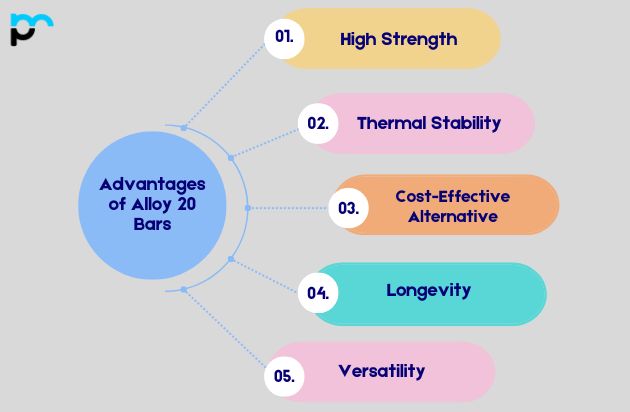
Cost-Effective Alternative:Beyond sulfuric acid, Alloy 20 also resists phosphoric acid, nitric acid, and numerous other acidic environments.
Longevity: The toughness and resistance to different types of corrosion prolong the service life of Alloy 20 bars, lowering the need for frequent replacements and upkeep.
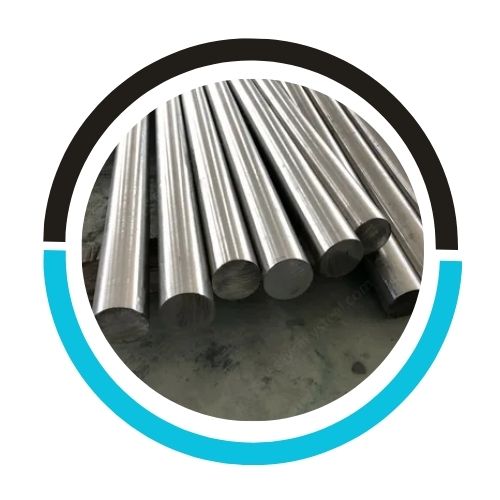
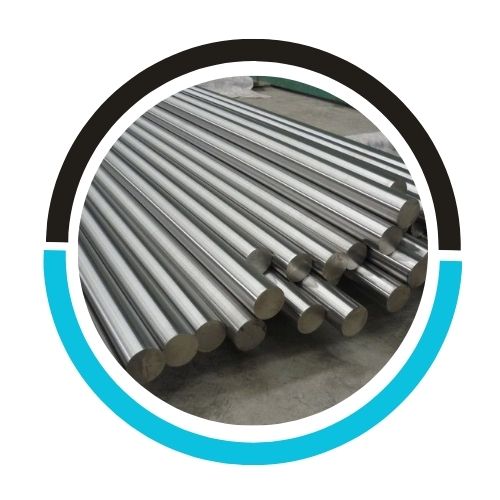
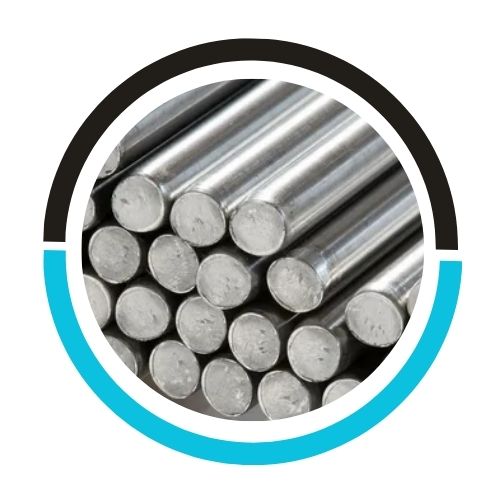
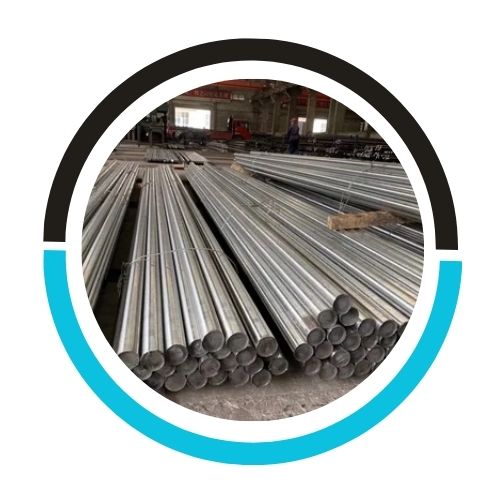
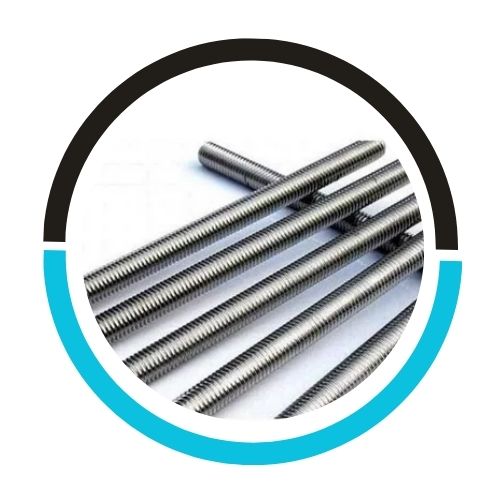
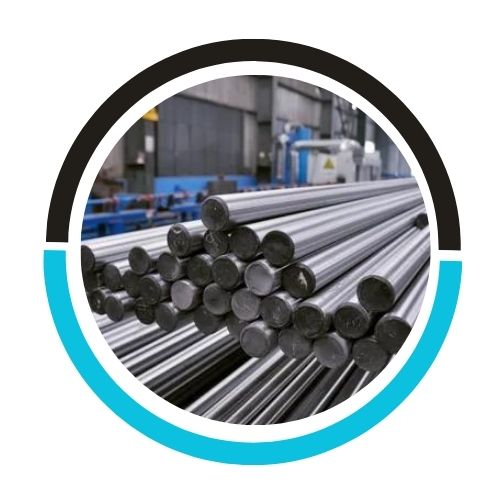
Alloy 20 Bars serve applications as varied as the industries they support, led mainly by the aerospace, railway, construction and automotive sectors along with petrochemical, nuclear, medical, Oil & Gas, Chemical, Pharmaceutical, Food & Beverage, Nuclear, Thermal Power plants, Paper and Pulp, marine and mining, etc.
1. Corrosion Resistance Requirements
Alloy 20 bars offer comparatively good resistance to galvanic corrosion thanks to their elevated chromium and nickel levels. That said, they may still be vulnerable when combined with dissimilar metals in corrosive settings. Selecting compatible materials and applying isolation methods are key to reducing the risk of galvanic corrosion.
Yes,Alloy 20 bars are suitable for both welding and machining. They demonstrate good weldability when using standard methods and suitable filler materials. Furthermore, Alloy 20 provides good machinability, enabling efficient processing with the right tooling and methods.
Alloy 20 bars provide outstanding resistance to corrosion, especially within sulfuric acid settings. Because they contain high levels of chromium, nickel, and molybdenum, they withstand a broad array of corrosive materials, such as chlorides and acids. That said, appropriate care and handling remain essential to avoid corrosion under extreme conditions.
Yes,Alloy 20 bars are well-suited for underground use thanks to their outstanding resistance to corrosion. They hold up against corrosive soil conditions, which makes them a good fit for buried structures, pipelines, and equipment across industries like chemical processing, oil and gas, and wastewater management.